






The Recount Trigger: A Simple Rule
An automatic recount in Colorado is triggered when the margin of victory is exceptionally narrow. State law mandates a recount if the difference between the top two candidates is less than or equal to 0.5% of the total votes received by the winning candidate. This isn't based on the total votes cast in the election, but specifically on the winner's vote total. For instance, if a winning candidate receives 100,000 votes, a recount is required if the second-place candidate is behind by 500 votes or fewer (0.5% of 100,000). This rule applies to candidate races as well as statewide ballot measures. For races where multiple seats are open, the calculation is slightly different: the margin is based on the difference between the last winning candidate and the first
losing candidate.
How the Process Unfolds
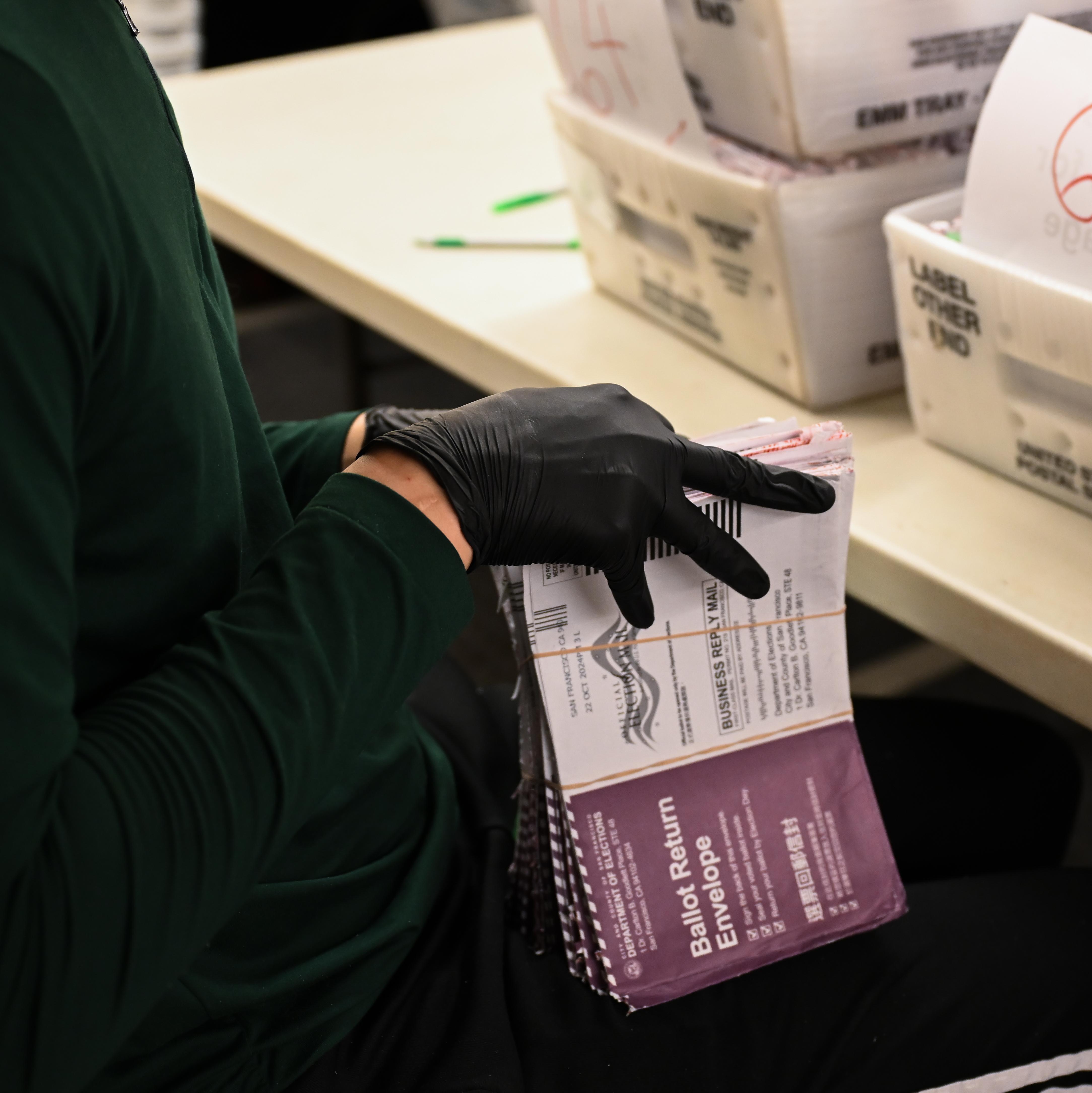
An automatic recount doesn't happen immediately. First, the county canvass boards must complete their official count and certify the results. Once those results are certified, if the margin falls within the 0.5% threshold, the Colorado Secretary of State will order the recount. This order must be issued no later than 24 days after the election. From there, officials have a strict deadline: the recount must be completed no later than 31 days after the election for state, district, and county races. The process itself involves re-tabulating the ballots to verify the original count was accurate. This can be done by rescanning ballots with tabulation machines, though it also involves a hand count of a sample of ballots to ensure the equipment is working correctly.
Who Foots the Bill?
This is a key distinction. For an automatic recount—one triggered by the close margin—the cost is covered by the public. Specifically, the governmental body that certified the candidate or ballot measure for the election pays the expenses. This means that for a statewide race, the state would pay, while for a county-level race, the county would cover the cost. This ensures that the integrity of a close election is verified without placing a financial burden on the candidates or their campaigns. The costs are considered a necessary part of the election administration process, reinforcing the idea that accuracy is a public good.
Automatic vs. Requested Recounts
What if a race is close, but not quite close enough to trigger an automatic recount? Colorado law allows for another option: a requested recount. An 'interested party'—which can be a candidate, a political party, or representatives of a ballot measure committee—can formally request a recount even if the 0.5% margin isn't met. However, there's a major difference: the person or group requesting it has to pay for it. The requester must front the estimated cost before the recount begins. There is a caveat, though. If the requested recount ends up changing the outcome of the election, or if it reveals the margin was actually close enough to have required an automatic recount in the first place, the requester gets their money back.