


A Tale of Two Watchers
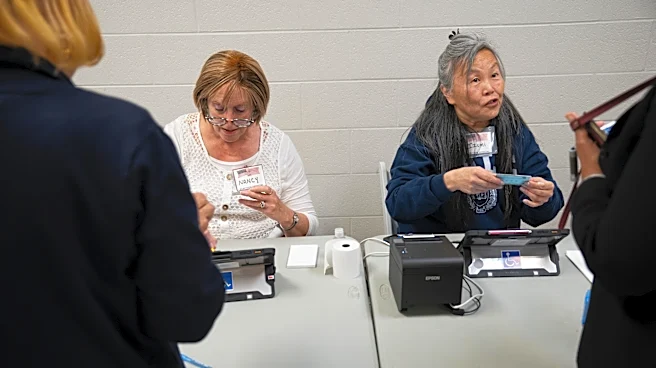
The simple answer to whether observers are allowed during South Carolina's vote count is a clear 'yes', but state law makes an important distinction between two types of people inside a polling place: 'poll watchers' and 'observers'. A 'poll watcher' is an official, designated representative appointed in writing by a political party or a specific candidate. These individuals have a formal role. An 'observer', by contrast, is any member of the general public who wants to watch the process. While both are permitted, their roles and requirements differ. This system is designed to allow formal partisan oversight while also upholding the principle that elections are a public process open to all citizens.
The Rules for Official Poll Watchers
Official poll watchers are the most formalized
type of observer. According to South Carolina law, candidates in a primary or nonpartisan candidates in a general election can appoint one watcher per polling place where their name is on the ballot. For general elections, political parties jointly appoint up to two watchers for every 1,000 registered voters at a precinct. To be eligible, a watcher must be a qualified voter in that county and present a signed certificate from the candidate or party official to the poll manager. They are required to wear an identification badge of a specific size and must remain in a designated area so they can see the process without getting in the way.
What Observers Can and Cannot Do
The rules of engagement are strict and clear for both official watchers and general observers. They are allowed to observe the entire election process, from the opening of the polls to the closing procedures. They can ask non-disruptive questions of the head poll manager and obtain information about who has voted. However, the restrictions are just as important. Observers and watchers absolutely cannot interfere with the conduct of the election. This includes a ban on communicating with voters inside the polling place, taking photos or videos (with a narrow exception for the final results tapes), touching any voting materials, or intimidating anyone. The goal is to let people see the process without allowing them to become part of it or disrupt it.
Observation Beyond the Polling Place
Transparency in South Carolina extends beyond just watching people vote. The rules also explicitly allow for observation during other critical phases of the election, including the processing and tabulation of absentee ballots and any subsequent recounts. During absentee ballot counting, watchers are prohibited from being so close that they could compromise the secrecy of a ballot. For recounts, which are automatically triggered if a race's margin is 1% or less, candidates and party representatives are also permitted to be present to watch the process unfold. This ensures that oversight is not limited to one part of Election Day but covers the key procedures that determine the final, certified result.
The Balance Between Transparency and Security
South Carolina's laws on election observation are a clear attempt to strike a fundamental balance. On one hand, allowing partisan watchers and the public to view the mechanics of voting and counting helps build trust and confidence in the results. It demystifies the process and provides a check against procedural errors or malfeasance. On the other hand, the strict rules on interference, communication, and behavior are designed to protect the integrity of the election itself. They ensure that the process remains orderly, that voters are not intimidated, and that election officials can do their jobs efficiently and without disruption. It’s a framework that acknowledges transparency is key to democracy, but that it cannot come at the expense of a secure and fair election.