

Who Gets a V.I.P. Pass to the Count?
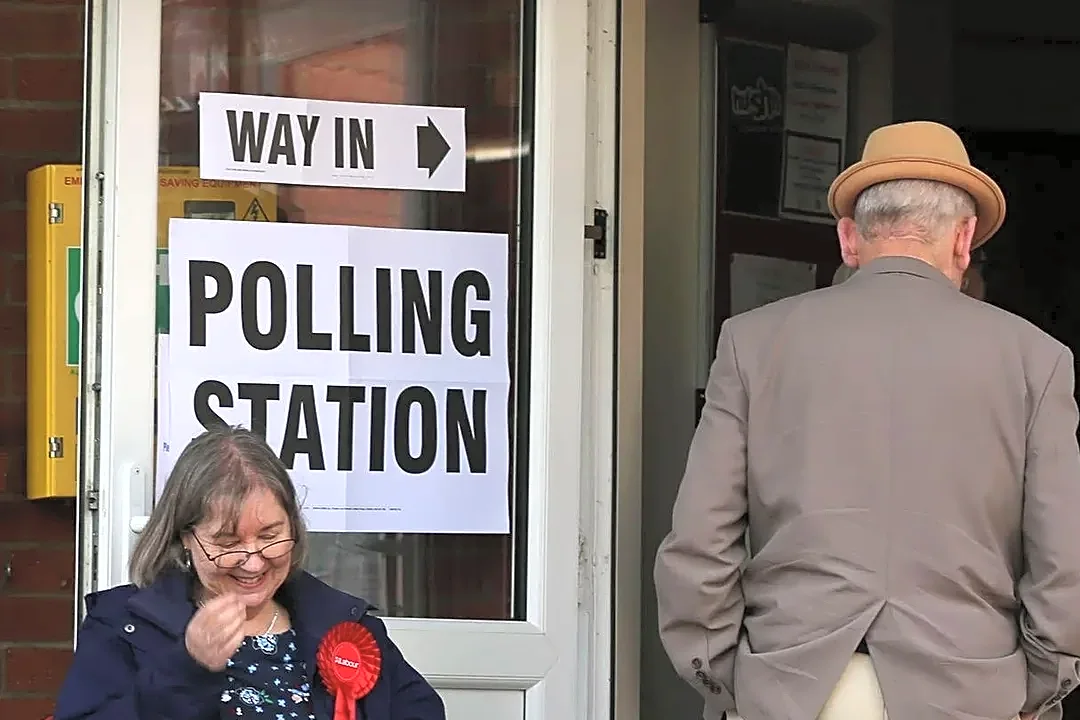
So, can any citizen just walk into a tabulation center in Florida and watch the magic happen? Not exactly. The state has specific rules about who is granted official observer status, which is different from general public access. The law primarily designates 'poll watchers' and 'observers' who are appointed by specific entities. These official observers can be designated by political parties, candidates, or political committees advocating for or against a ballot issue. Each of these groups can typically have one designated watcher at a time in each counting location. To be eligible, a poll watcher must be a registered voter in the county they are observing and cannot be a candidate or a law enforcement officer. These individuals must be approved
by the county's Supervisor of Elections and are issued official identification badges.
The Rules of Engagement
Being an official observer isn't a license to interfere. Florida law lays out a clear playbook of what watchers can and cannot do. Their primary role is to 'watch and observe' the process to ensure it's being conducted according to the law. They can be close enough to see, but not so close as to get in the way of election workers. If a watcher has a question or wants to challenge a voter's eligibility, they can't confront the voter or an election worker directly; they must address the clerk of the precinct. Crucially, observers are forbidden from interacting with voters, taking photos or videos inside the polling area, or wearing any campaign-related apparel. The goal is observation, not participation or disruption. They can even challenge a ballot's validity during the canvassing process, but doing so frivolously is a misdemeanor.
Distinguishing Watchers from the Public
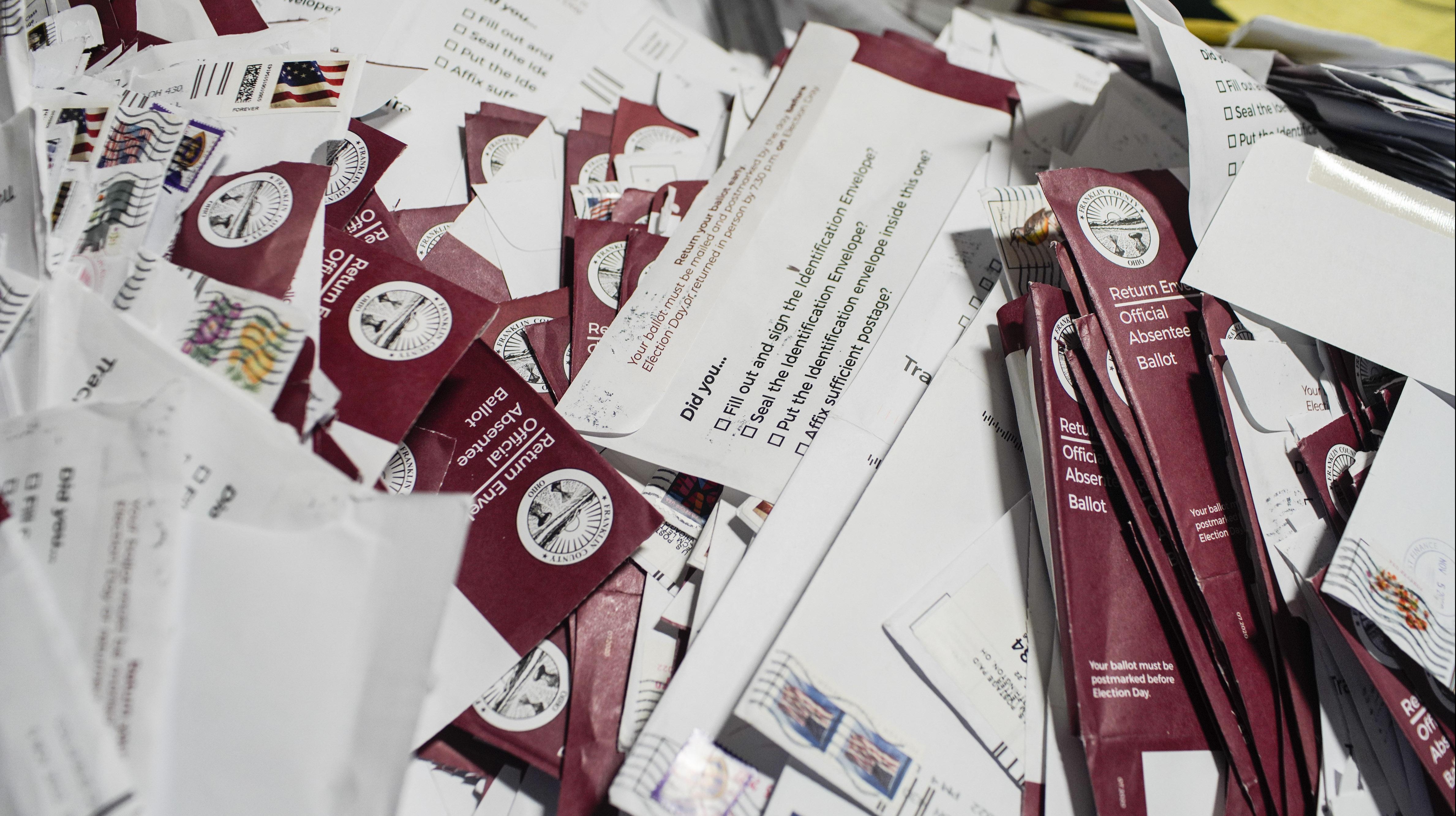
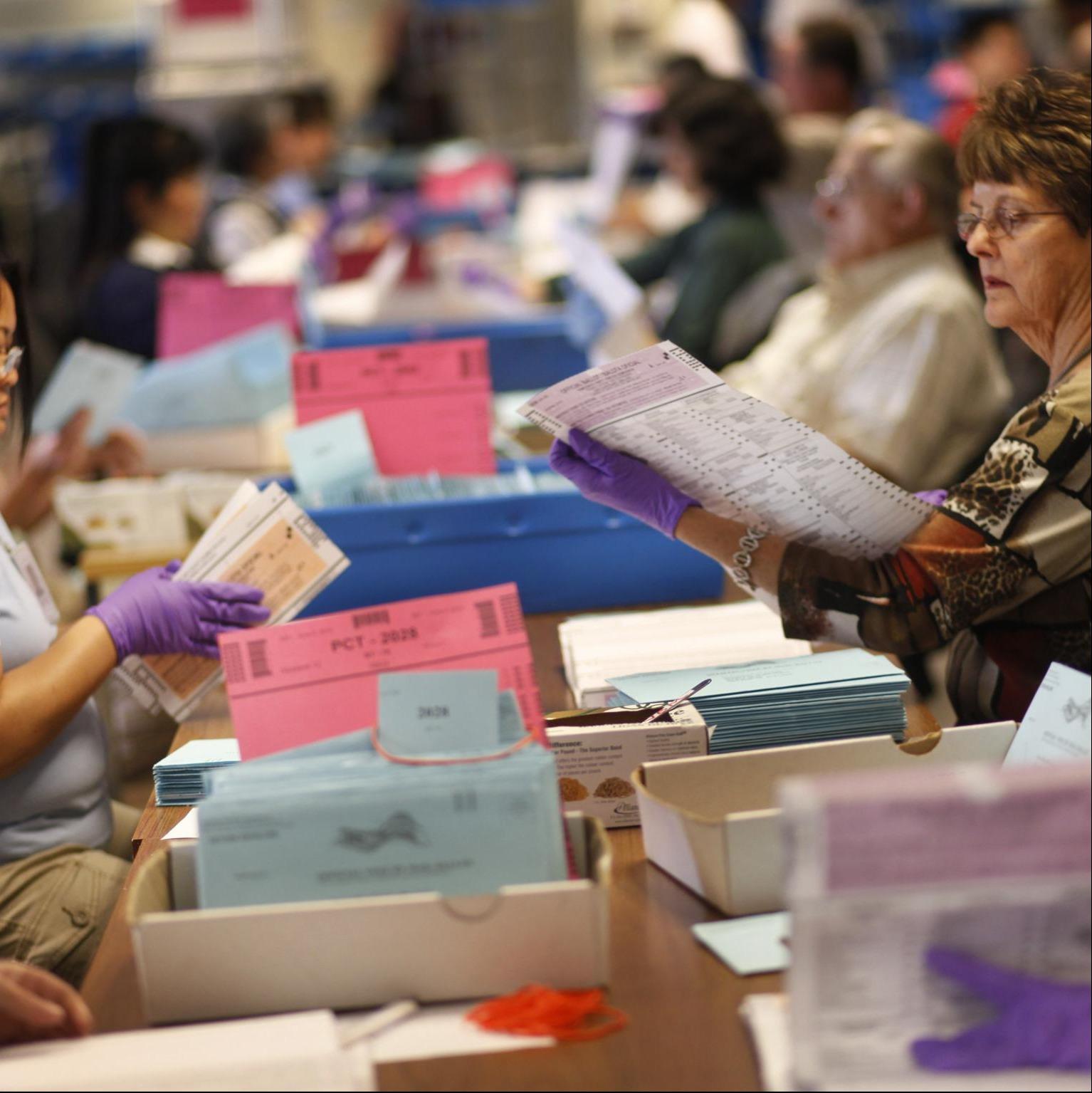
While the official 'poll watcher' role is limited to designated individuals, Florida law does provide for some level of public transparency. For instance, the process of canvassing vote-by-mail ballots is generally open to public viewing. Any member of the public can observe this process, provided they don't handle ballots or interfere. Similarly, when ballots are damaged and need to be duplicated to be read by a machine, authorized observers can watch the process to ensure the new ballot is an exact copy of the original. Furthermore, much of the pre-election setup, like the logic and accuracy testing of voting machines, is also open to public observation. This creates two tiers of observation: a highly regulated one for official party and candidate representatives, and a more general one for the public during specific, non-polling-place procedures.
Balancing Transparency and Security
At its core, Florida's system is an attempt to strike a delicate balance. On one hand, allowing partisan watchers and the public to view parts of the process is designed to build confidence that the election is fair and transparent. When parties on opposite sides can both see the same process, it can help de-escalate claims of secret wrongdoing. On the other hand, the strict rules about who can be a watcher and what they can do are there to protect the integrity and efficiency of the count. The regulations aim to prevent voter intimidation, obstruction of election workers, and the chaos that would ensue if anyone could interrupt the process at will. The system is designed to ensure that while the kitchen is open for viewing, only the authorized chefs are allowed to cook.