

A Safeguard, Not a Rejection
First, it's important to understand that a provisional ballot is not a lesser vote; it's a backup option designed to ensure no eligible voter is turned away at the polls. Mandated by the Help America Vote Act (HAVA) of 2002, these ballots are used when a voter's eligibility is in question. Common reasons include your name not appearing on the voter list, being at the wrong polling place, not having the required photo ID in some states, or records indicating you've already requested a mail-in ballot. Instead of disenfranchising a potential voter due to an administrative hiccup, the provisional ballot allows you to record your vote while officials sort out the eligibility question later.
The Ballot's Journey After You Vote
Once you fill out a provisional ballot, it does not go into
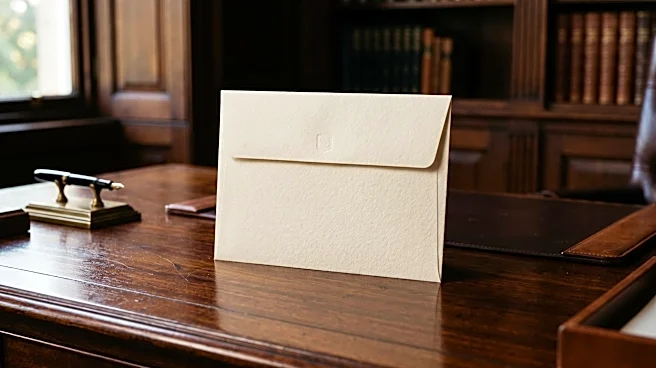
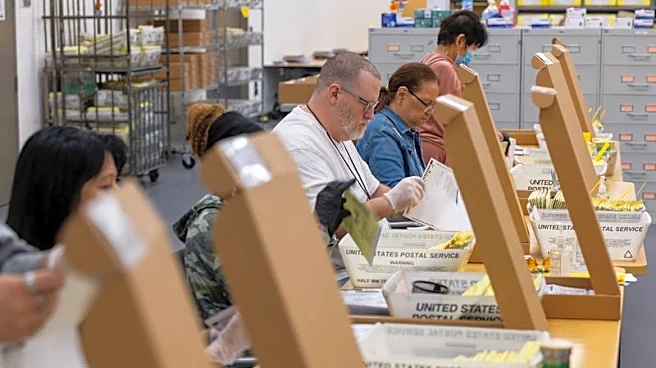
the same machine as regular ballots. It's placed in a special, secure envelope and kept separate. This is the first crucial step in the reconciliation process. Poll workers will have you fill out information on the envelope, often including an affirmation of your eligibility. This envelope, along with all other provisional ballots from the precinct, is transported securely to the central county elections office at the end of the night. This ensures a clear chain of custody and prevents any mixing with the general pool of votes until each one can be individually researched.
The Reconciliation and Verification Process
This is where the real work begins, and it all happens after Election Day. 'Reconciliation' is the process where election officials become detectives. They take your provisional ballot envelope and use the information you provided to research your eligibility. This involves cross-referencing multiple databases, including statewide voter registration lists, Department of Motor Vehicles records, and other official sources to confirm your identity, address, and registration status. They are answering one key question: were you a legally registered and eligible voter on Election Day? This meticulous process takes time, which is why provisional ballots are not included in the election night totals.
The Verdict: To Count or Not to Count
After the investigation, the local electoral board makes a determination. If they confirm you were eligible to vote, your ballot envelope is opened, and the ballot is counted just like any other. In some cases, if you voted in the wrong precinct, only the parts of the ballot for which you were eligible to vote (like for President, Senator, or Governor) might be counted. If the board determines you were not eligible—for example, if you weren't registered to vote in that state—the ballot is rejected and remains unopened. Records from past elections show that the vast majority of provisional ballots are ultimately verified and counted.
Closing the Loop and Checking Your Status
The process doesn't end in secret. Federal law requires that states provide a way for voters to find out if their provisional ballot was counted and, if not, why. When you vote provisionally, you should receive information on how to follow up. Most states offer a free tracking system, either through an online portal on the Secretary of State or county election office website, or via a toll-free number. This transparency is a key part of the system, allowing you to confirm that your vote mattered and empowering you to fix any registration issues for the next election.