


Beyond the Unofficial Results
When you see results rolling in on election night, it's important to remember they are unofficial. These are the initial tallies from voting machines and early mail-in ballots, reported by parish clerks of court to the Secretary of State. This first wave of numbers provides a strong indication of the outcome, but it isn't the final, legally binding result. The official process, designed to ensure accuracy and integrity, begins once the polls close and all ballots are securely transferred from polling places to parish election offices. This kicks off a multi-step verification system that is deliberate, transparent, and foundational to public trust in the final count. It involves parish-level officials, the Secretary of State, and a clear set
of statutory deadlines.
The Canvass: An Official Review
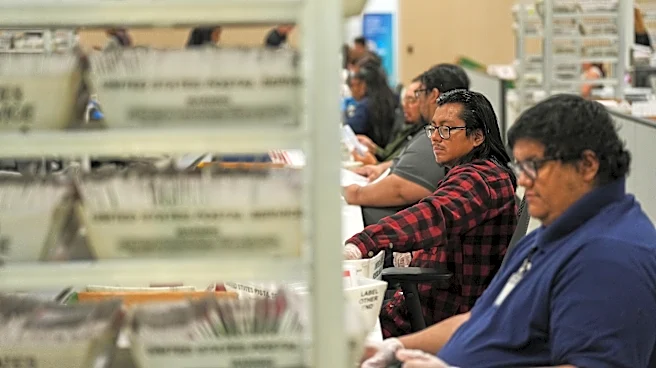
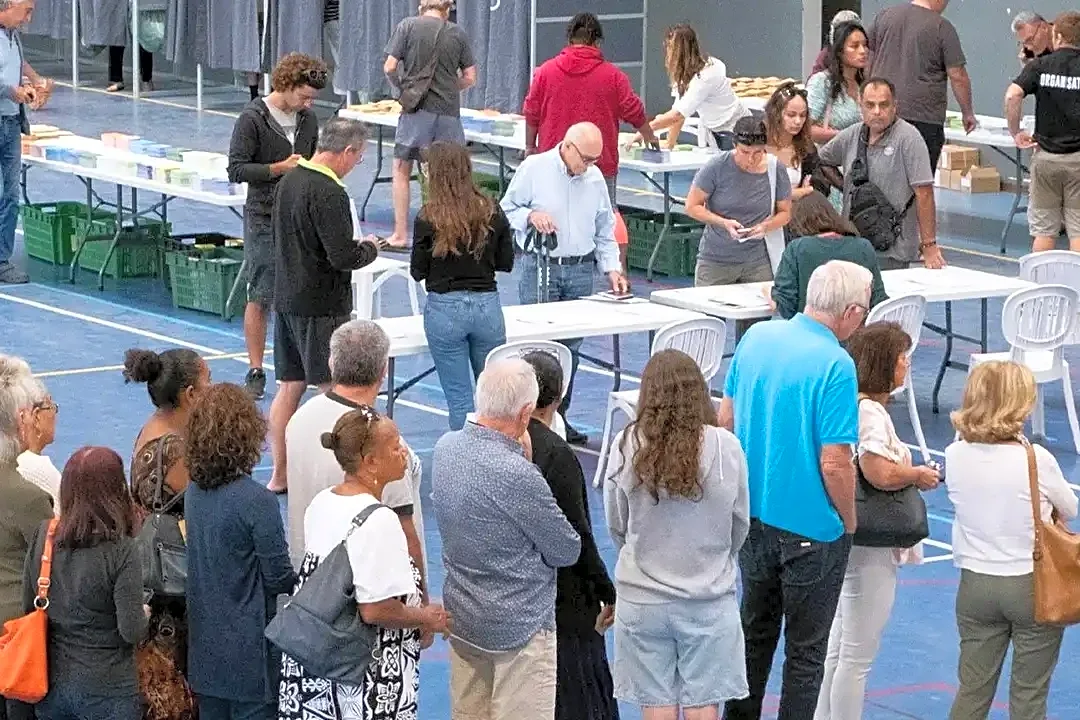
The first major step is the canvass. Think of it as a systematic audit of the election. Under Louisiana law, parish Boards of Election Supervisors are responsible for this review. Election returns must be filed with the parish clerk of court by 4 p.m. on the fifth day following the election. The clerk must then transmit those results to the Secretary of State by noon on the sixth day. During the canvass, officials reconcile the number of votes cast with the number of voters who signed in at polling locations. They examine voting machine totals, account for all absentee and provisional ballots, and ensure every ballot is recorded correctly. This isn't a recount; it's a verification process to make sure the numbers add up and the election was conducted according to state law. This methodical check is why final, official results take time to produce.
The Ballot 'Cure' Process
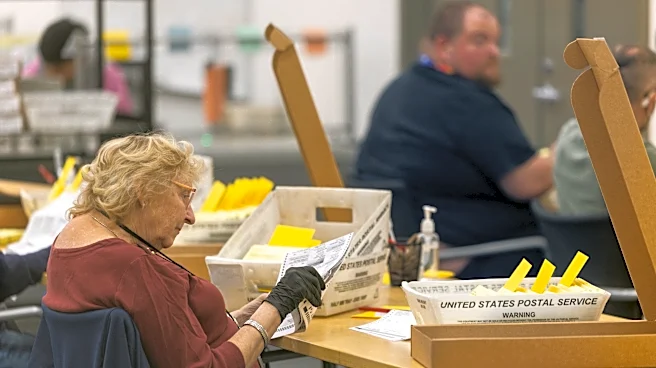
Sometimes, an absentee or mail-in ballot is returned with a technical error, like a missing signature on the envelope or an incomplete affidavit. When this happens, the ballot can't be counted immediately. Louisiana law provides a 'cure' process, giving voters a chance to fix these specific mistakes. Upon receiving a ballot with a curable defect, the parish registrar must immediately notify the voter by mail, and also by phone or email if that information is on file. However, Louisiana's cure deadline is notably strict. A voter must correct the error in person at the registrar's office by 4:30 p.m. on the day before Election Day. This means that for a mail-in ballot to be successfully cured, it must have been received and flagged by officials with enough time for the voter to be notified and act before this pre-election deadline.
Certification: The Final Seal of Approval
Certification is the final step that makes election results official. After parishes complete their canvass and transmit the data, the Secretary of State's office compiles and validates the returns from all 64 parishes. This process culminates in the official promulgation, or publication, of the results. According to Louisiana statute, the Secretary of State has up to 30 days after a general election to certify the name of each winning candidate to the appropriate body. For members of the state legislature, the certification goes to their respective house. For members of Congress, the governor signs the certificate, which is then sent to the U.S. House of Representatives or the President of the U.S. Senate. For most other local and state officials, the certification goes to the governor, who then issues an official commission to the winner. This final act closes the book on the election.