
The First Step: County-Level Canvass
The core of Delaware's certification process happens at the county level and is handled by a special body with a very specific name: the Board of Canvass. What might surprise you is who sits on this board.
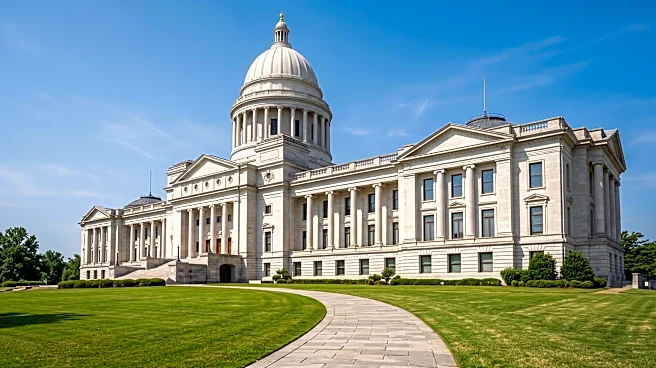
It's not the Department of Elections. Instead, each county's Superior Court convenes and acts as the official Board of Canvass. This is a deliberate design, creating a layer of independent verification separate from the officials who administer the election itself. The board is typically composed of Superior Court judges. For example, in New Castle County, it's the President Judge and the Resident Judge. This judicial oversight is the foundation of the state's certification process, lending legal authority to the final count.
The Key Deadline: Two Days After the Election
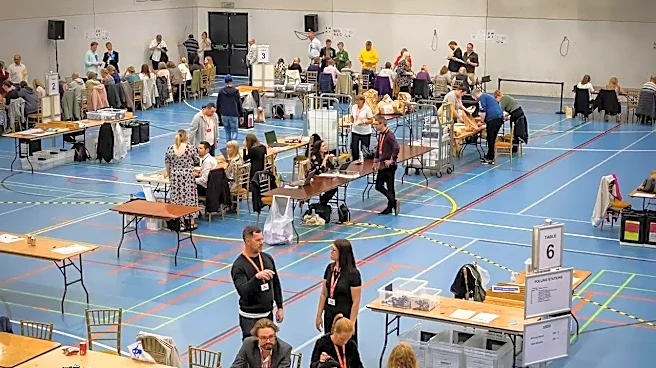
The timeline in Delaware is swift and precise. According to state law, the Superior Court in each of the three counties—New Castle, Kent, and Sussex—must convene as the Board of Canvass at 10 a.m. on the second day following the general election. For both general and special elections, this two-day deadline ensures that the official review process begins without significant delay. During this public session, the court examines all the materials provided by the county's Department of Elections, including voting machine tallies, absentee ballot reports, and provisional ballots. Their job is to meticulously review and tabulate the votes from every election district to produce a certified result for their county.
What the Board of Canvass Actually Does
The Board of Canvass doesn't just rubber-stamp the numbers reported on election night. Its members publicly examine and aggregate the results. They are responsible for resolving any discrepancies and producing certificates of the results for their respective county. This process involves manually tabulating votes to verify the machine counts and ensure accuracy. The Department of Elections staff act as observers and assistants to the court during this process, but the court holds the ultimate authority. If a candidate wishes to challenge the results due to a potential error or fraud, they must file a formal complaint by noon on the day the board convenes. Any request for a recount in a close race must also be made before the board adjourns.
From County Certificates to a Statewide Proclamation
Once each county's Superior Court has finalized and certified its results, the process moves to the state level. The courts prepare certificates of the vote for every office, which are then delivered to the Governor. For federal and statewide offices, including presidential electors, U.S. Senators, and Representatives, the Governor is the next key figure. After receiving the certified results from all three counties, the Governor's role is to examine the returns and officially declare who has been elected. This isn't just a formality; it's the step that aggregates the county-level certifications into a single, official statewide result.
The Governor's Final Seal of Approval
The final step in making an election result official in Delaware rests with the Governor. After examining the county certificates, the Governor issues their own certificates of election to the winners. They then issue a proclamation, which is published in one or more public newspapers, announcing the official results to the public. These gubernatorial certificates, along with the original county certificates, are filed with the Secretary of State, creating the final, permanent record of the election. For presidential electors and members of Congress, the Governor handles these certifications 'without delay' after receiving the county results, solidifying the outcome and officially concluding the election cycle.