





First Off, What Is a Canvass?
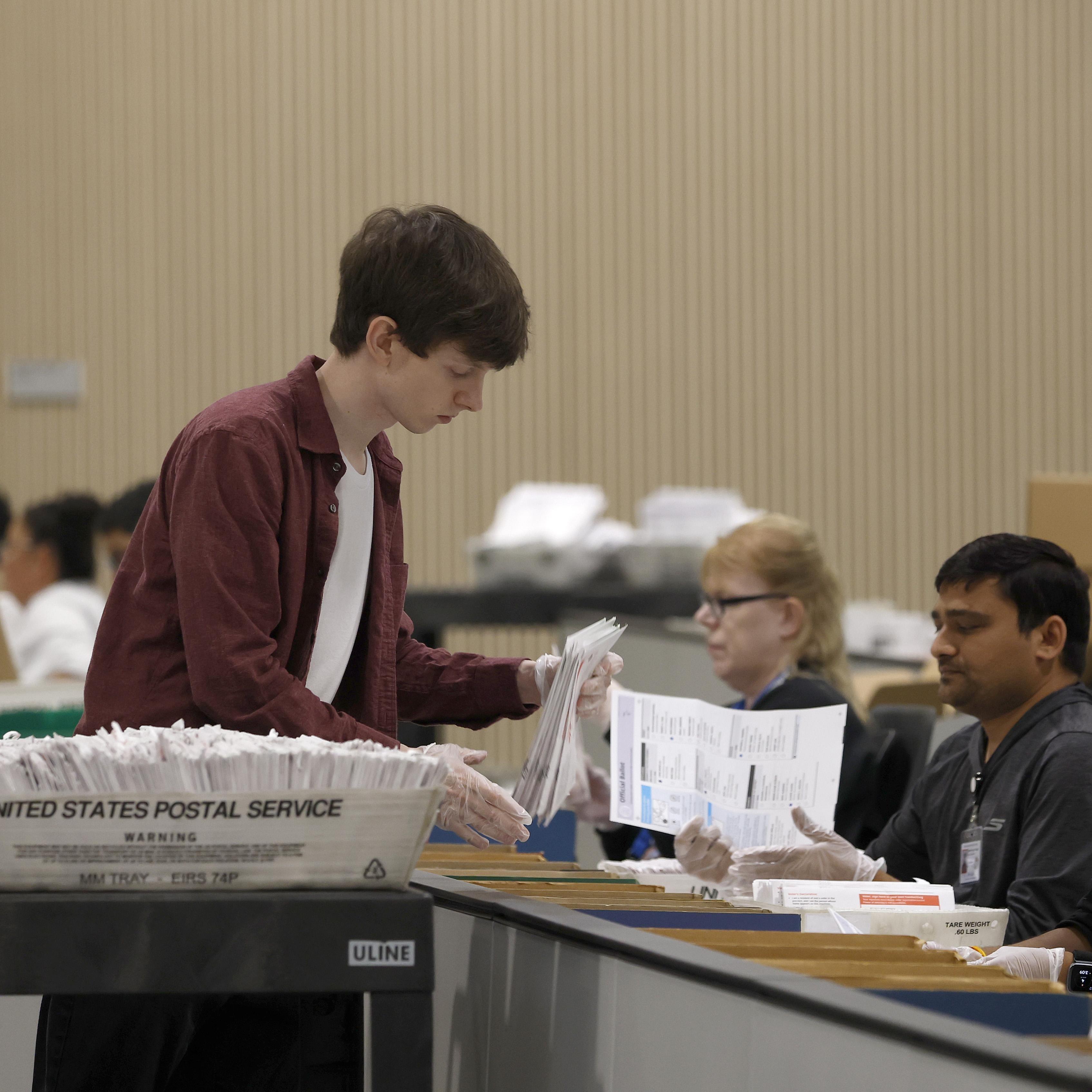
Before we get to the timeline, it helps to know what a 'canvass' actually is. It’s not a recount, which is a separate process triggered only in very close races. Instead, the canvass is the legally required procedure where election officials in each county meticulously review and confirm the vote count. Think of it as a comprehensive audit. Officials reconcile the number of ballots cast with the poll books, ensure every valid ballot is included, resolve any discrepancies, and formally compile the results. This process involves verifying signatures on mail-in ballots, counting ballots that arrived after Election Day but were postmarked on time, and adjudicating provisional ballots. It's the methodical, behind-the-scenes work that turns raw totals
into final, certified outcomes.
The Official Deadline
So, how long does this all take? Hawaii law sets a firm and specific schedule. The state's Chief Election Officer must officially certify the final results of the election after the time for bringing an election contest has passed. That deadline for filing a contest is precisely at 4:30 p.m. on the 20th day after the election. This means that for the November 3, 2026, General Election, the final, certified results will be made public on or shortly after November 23, 2026. This period gives each county's election division the necessary time to conduct its thorough canvass before forwarding the certified totals to the state. While counties work to complete their local canvass within about a week, the full 20-day period allows for all legal challenges and processes to be resolved before the results become final.
What Happens During Those 20 Days?
This period is far from quiet; it’s a flurry of critical activity for election workers. Their primary task is ensuring every valid vote is counted accurately. This includes several key steps. First, officials process mail-in ballots that were postmarked by Election Day but are received in the days following. Second, they address signature discrepancies. If a voter forgot to sign their mail-in ballot envelope or the signature doesn't match the one on file, officials must notify the voter, who then has five business days after the election to 'cure' or fix the issue. They also review provisional ballots, which are cast when a voter's eligibility is uncertain, to determine if they are valid. Finally, officials conduct manual audits of randomly selected batches of ballots to confirm the accuracy of the vote-counting machines. Each of these steps is observed by official party observers to ensure transparency.
Accuracy Over Speed: Why It All Matters
In an era of instant gratification, waiting up to three weeks for final election results can feel like an eternity. But this waiting period is a fundamental feature of a trustworthy democratic system, not a bug. Its purpose is to prioritize accuracy over speed. Rushing the canvass could lead to significant errors, like disenfranchising voters whose perfectly valid ballots need a signature cure or failing to notice a tabulation discrepancy that could alter an outcome. The legally mandated timeline provides the necessary breathing room for a methodical, transparent, and fair conclusion. It allows officials to get the count right, ensuring that the candidates who are ultimately certified as winners are the ones who legitimately earned the most votes. This deliberate process is what gives the final results their authority and helps maintain public confidence in the outcome.