

Yes, but Within a Strict Framework
The short answer is yes, Illinois absolutely permits observers during the entire election process, including the counting of ballots. But it's not a free-for-all where anyone can walk in and stand over an election judge's shoulder. Illinois law provides a detailed and specific framework for who can be a 'poll watcher,' what credentials they need, and what they are allowed to do. This system is designed to balance the crucial need for public transparency with the equally important need to protect the election from interference, intimidation, and disruption. Think of it less like a spectator sport and more like a formal, regulated audit.
Who Gets to Be a Poll Watcher?
You can't just decide on Election Day to be a poll watcher. The authority to appoint them is granted to specific
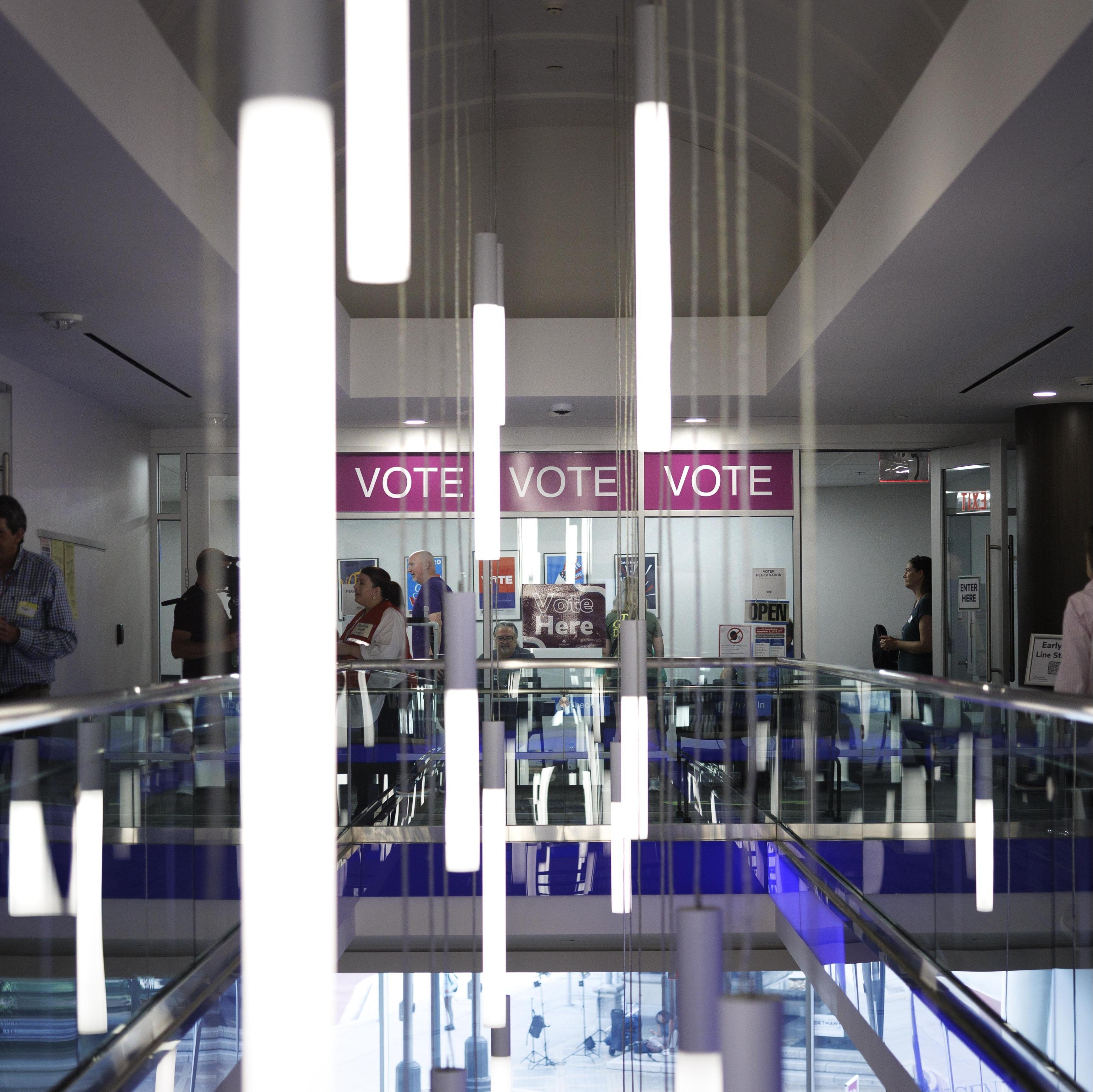
groups. In a general election, established political parties and individual candidates are each entitled to appoint two poll watchers per precinct. In addition, certain qualified civic organizations that have an interest in preventing election fraud, as well as organized groups supporting or opposing a ballot proposition, can typically appoint one poll watcher per precinct. To qualify, a poll watcher must be a registered voter in Illinois and must have official credentials issued by the election authority, which they must present upon entering a polling place or counting center.
Observing the Count
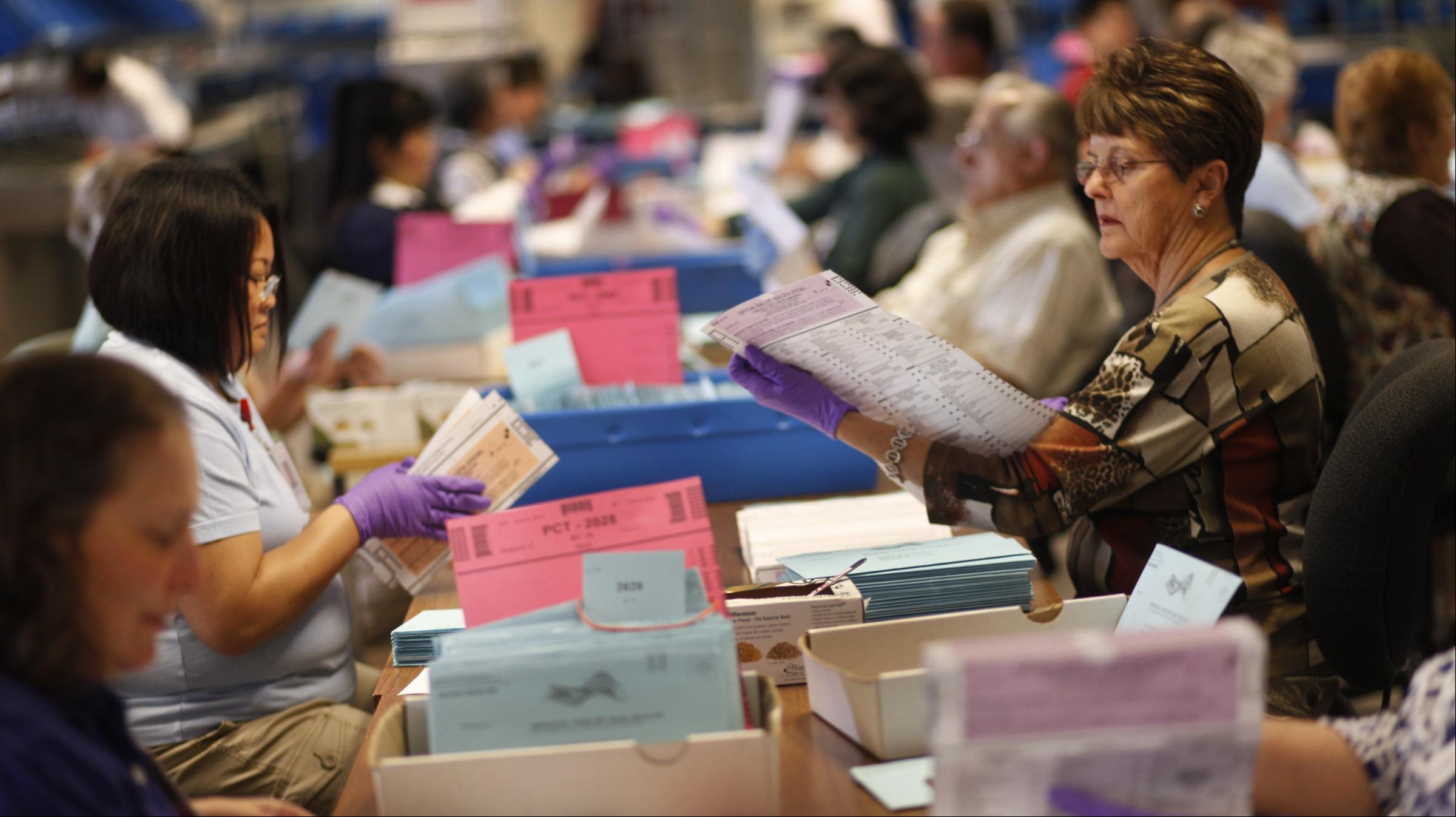
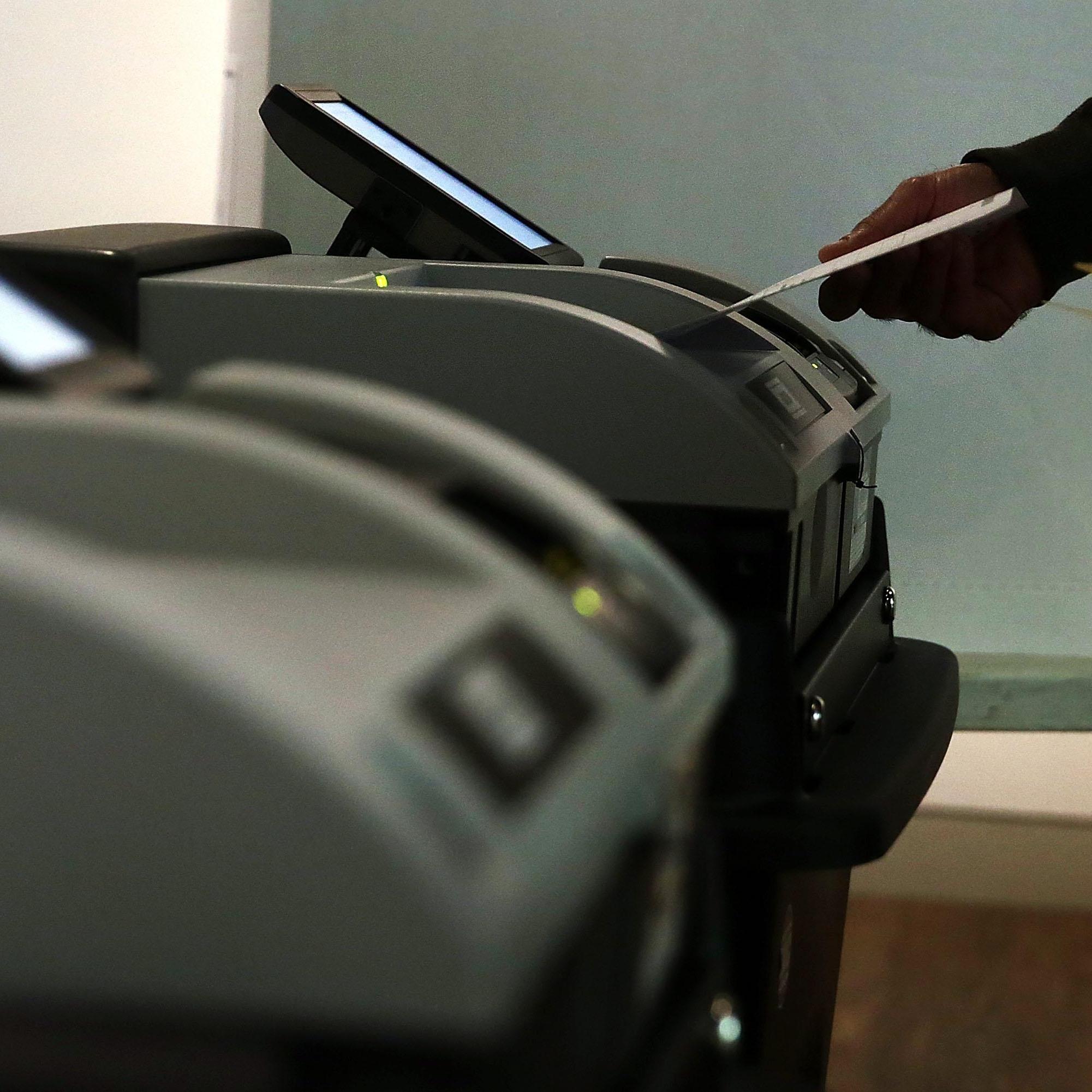
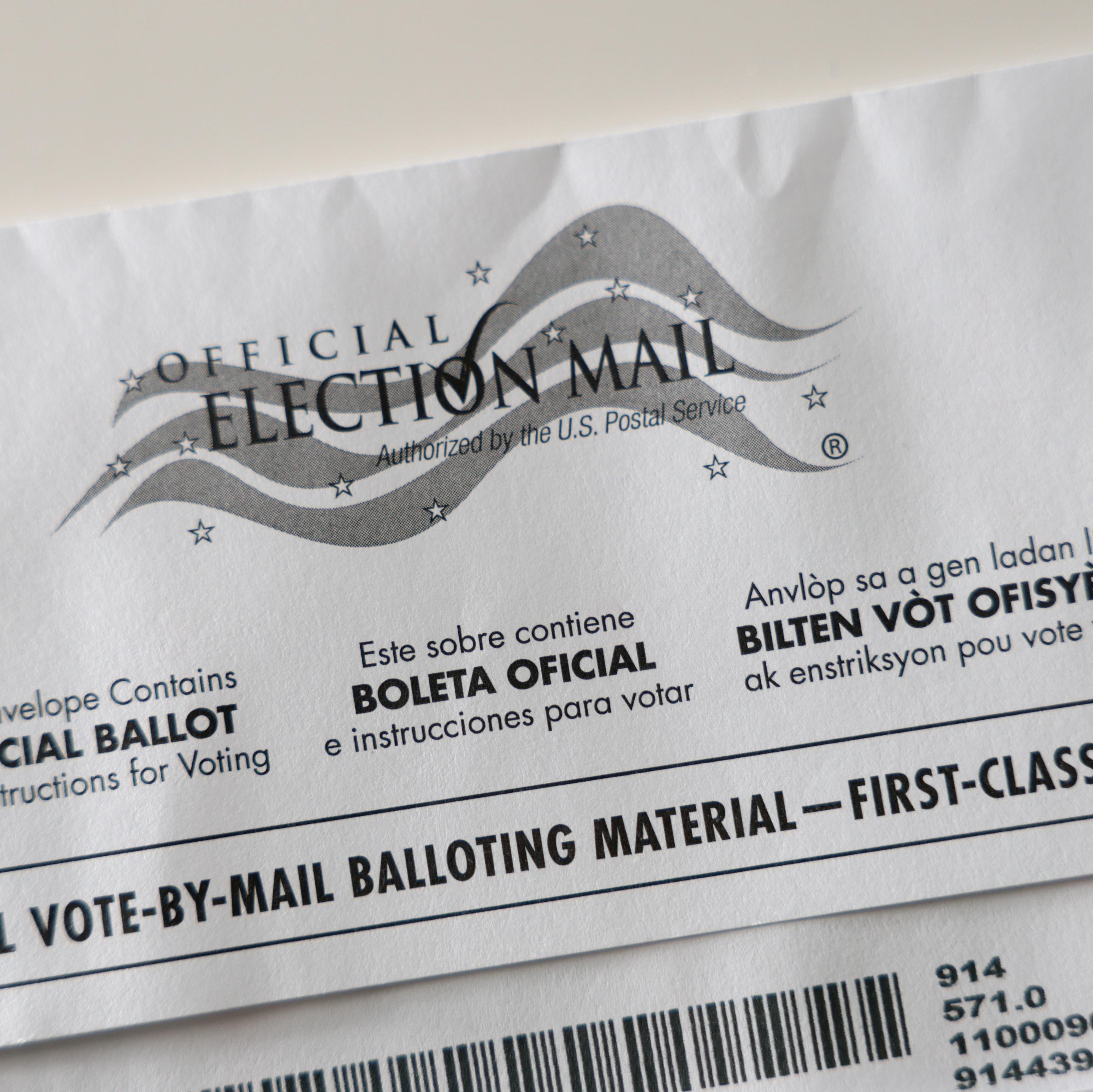
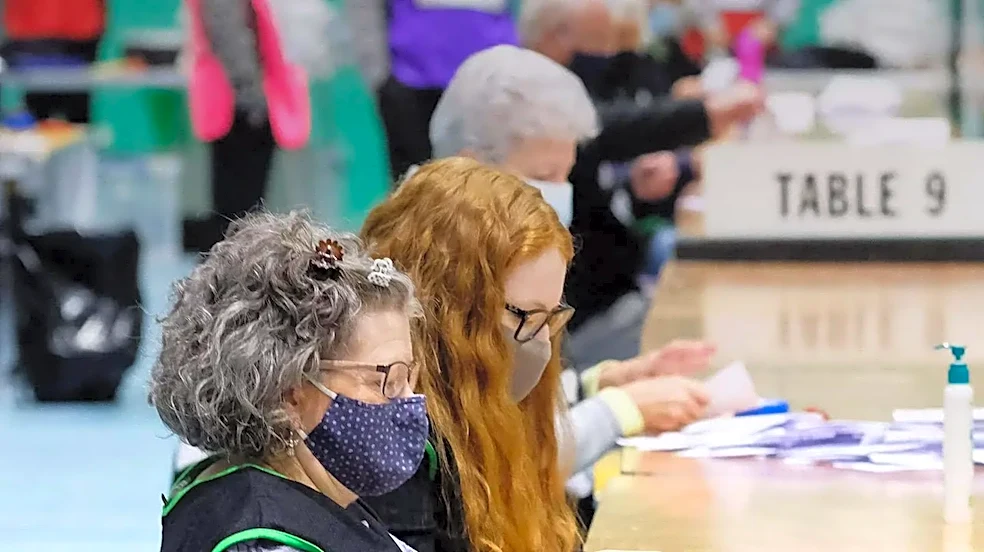
The role of the poll watcher doesn't end when the polls close. In fact, that's when a critical phase of their observation begins. Illinois law explicitly allows poll watchers to remain after polls close to observe the canvass and counting of votes. This includes processes at the local precinct as well as at central counting locations where mail-in and other ballots are tabulated. At these central locations, each authorized party, candidate, or organization is entitled to have at least one poll watcher present for each panel of election judges counting ballots. This ensures that partisans and non-partisan civic groups alike have a window into the mechanics of the tabulation process from start to finish.
Rights and Limitations: The 'Do's and 'Don'ts'
A poll watcher's role is one of observation, not participation. They are permitted to be near enough to the election judges to see what's happening—for instance, to observe that a ballot box is empty before voting starts or to watch the comparison of signatures on ballot applications. They can also challenge a voter's eligibility if they have a specific, stated reason, though the final decision on that challenge rests with the election judges. What they absolutely cannot do is handle any election materials, interfere with the process, or disrupt the judges. If they spot an error or a violation, the proper procedure is to bring it to the attention of the election judges, not to argue or intervene directly. If overcrowding becomes an issue, judges have the authority to limit the number of watchers present to maintain order.