


So Who Can Officially Watch?
You can't just walk into a counting center and start observing. Missouri law outlines a formal process for who gets to be an official observer. The system primarily relies on 'watchers' and 'challengers' who are appointed by political parties. Under Missouri law, the chairperson of the county committee for each political party on the ballot has the right to designate watchers for each location where votes are counted, including for absentee ballots. These are not roles for just any interested member of the public. They are official, designated positions intended to provide partisan representation in the oversight process. While some parts of the election process, like the testing of voting equipment, are open to the public, the actual observation
of ballot handling and counting is generally reserved for these officially appointed individuals. This structure is meant to ensure that the major parties have a direct line of sight into the mechanics of the election without opening the door to potential disruption.
The Difference Between a 'Watcher' and a 'Challenger'
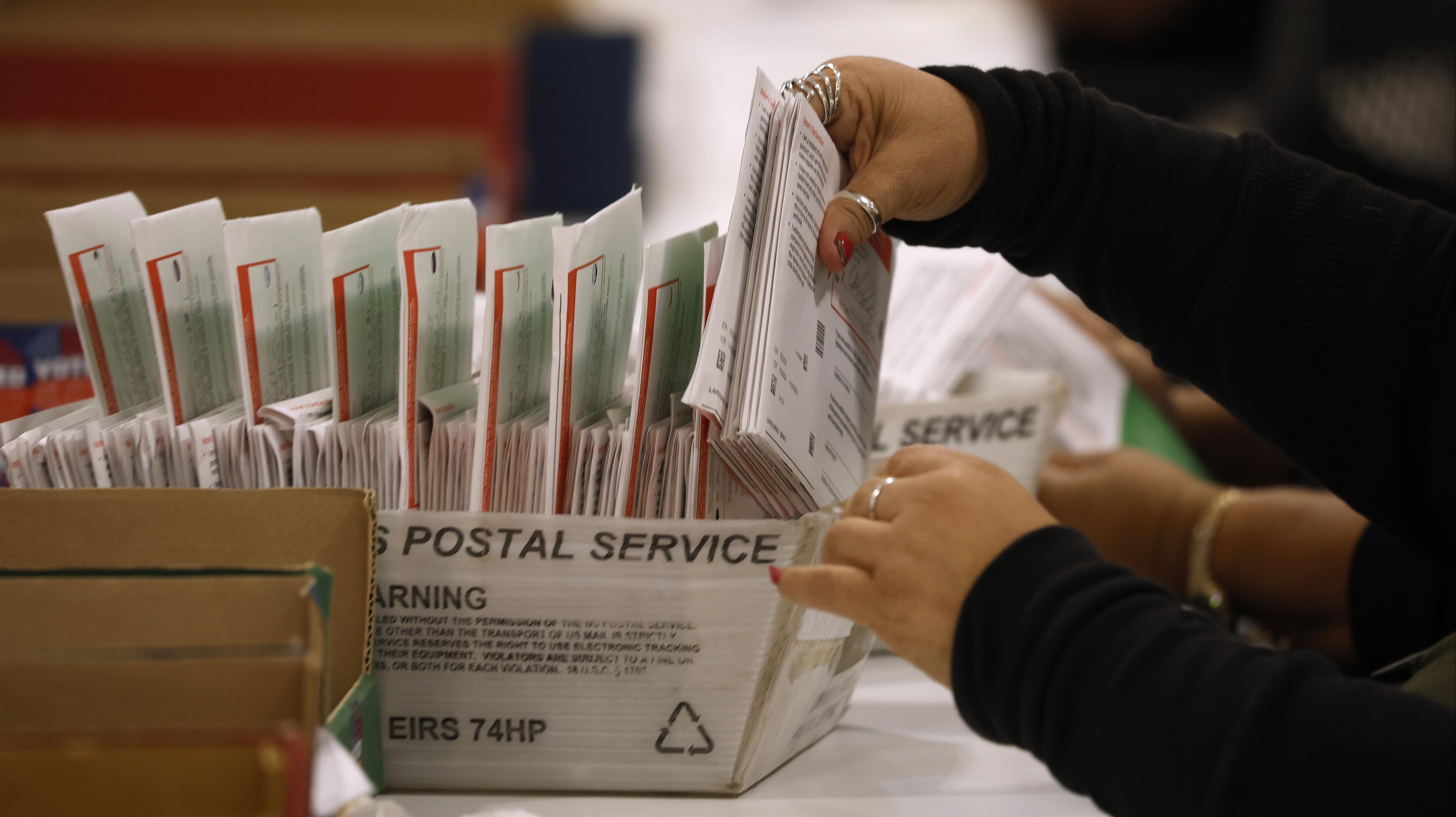
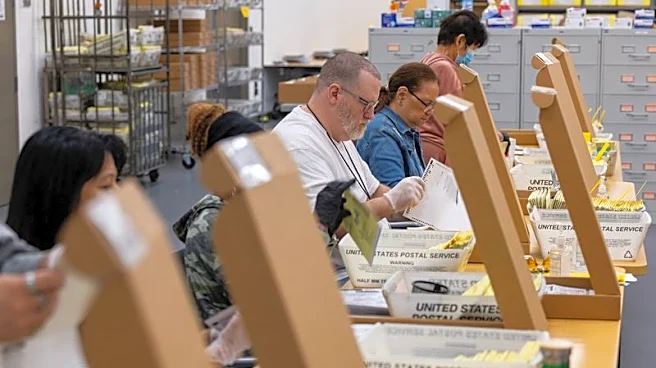
Though the terms are sometimes used interchangeably, 'watchers' and 'challengers' have distinct roles. Challengers are typically present at polling places during the hours of voting. Their main function is to observe the check-in process and, if they have a good-faith reason to believe a voter is not eligible, they can raise that concern with the on-site election judges. They do not interact directly with voters. Watchers, on the other hand, are primarily focused on the back-end of the process. Their job is to observe the counting of the votes. This includes being present as absentee ballots are prepared and tabulated. Their duty is to observe the count and report any perceived irregularities to election officials. Essentially, challengers focus on voter eligibility at the polls, while watchers focus on the integrity of the ballot count after the polls close.
The Rules of Engagement
Being an observer isn't a free-for-all. Missouri statutes are clear about what watchers and challengers can and cannot do. Their role is strictly to observe. They are not allowed to handle ballots, touch election equipment, or interfere with the work of election judges in any way. They cannot speak directly to voters or try to influence the process. Furthermore, they are forbidden from sharing any information about the state of the count before the polls officially close. If a watcher or challenger oversteps their bounds, interferes with the process, or becomes disruptive, election judges have the authority to ask them to leave. If the problem persists, the election authority can have them removed, including by law enforcement if necessary. These rules are designed to strike a delicate balance: providing transparency through observation while protecting the election from interference, intimidation, and chaos. Observers are there to be the eyes of their party, not to become part of the process itself.
Why This System Matters
The framework of partisan observers is a long-standing feature of American elections, designed to build confidence in the outcome. By allowing representatives from competing political parties to witness the process firsthand, the system aims to prevent accusations of secret or fraudulent counting. It creates a dynamic where both major parties have a vested interest in ensuring the rules are followed. While Missouri law does not provide for unstructured public observation of the count itself, it does build in mechanisms for accountability. For example, the results of post-election audits, which manually check a sample of precincts, become part of the public record. The presence of designated watchers for provisional ballots also ensures partisan oversight in determining voter eligibility after Election Day. The entire system is a procedural safeguard, meant to confirm to all sides that, regardless of the winner, the game was played fairly and according to the rules.