


As states navigate the complexities of election integrity, the role of observers becomes a focal point for ensuring transparency. In Wyoming, a specific set of rules governs who gets to watch the vote count and what they are permitted to do.
Who Gets a Seat at the Table?
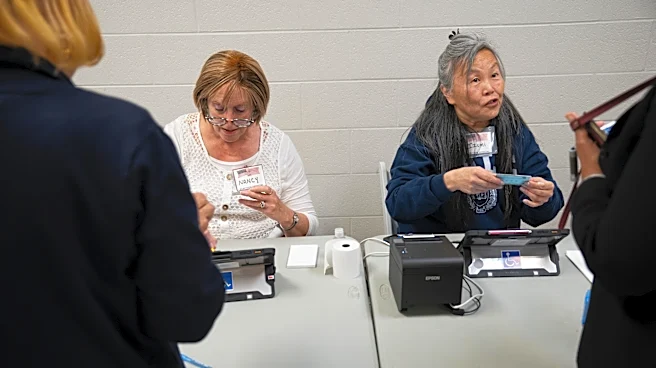
In Wyoming, the system for observing elections, including the counting process, is primarily party-based. State law allows the county chairman of each political party to certify 'poll watchers' to serve at polling places. To qualify, a poll watcher must be a registered voter in that county and a member of the political party they are representing. This ensures that the individuals observing have a vested interest in the local election's outcome and are officially sanctioned by a recognized political entity.
It’s not a system where any member of the public can simply walk in and demand to observe; it is a structured process managed through party channels. Typically, only one observer per party is allowed to be present at the same time, though chief election judges have the discretion to allow an additional watcher from each party if space and conditions permit without causing disruption.
What Observers Can and Cannot Do
The authority of a poll watcher is clearly defined—and limited—by Wyoming statutes. Their primary role is to observe. This includes watching voter turnout, voter registration, and the counting of votes. They are permitted to take written notes but are explicitly forbidden from interfering with the election process. This means they cannot challenge voters directly, engage in electioneering, or do anything that disrupts the work of election judges. Recent legislative proposals have sought to expand this authority, with draft bills aiming to allow observers to witness 'every aspect of the election' and be positioned closely enough to see and hear the voter check-in process. As it stands, the law strictly creates a firewall between observing and interfering. If a poll watcher oversteps their bounds, the chief judge has the authority to remove them from the premises.
Inside the Counting Room
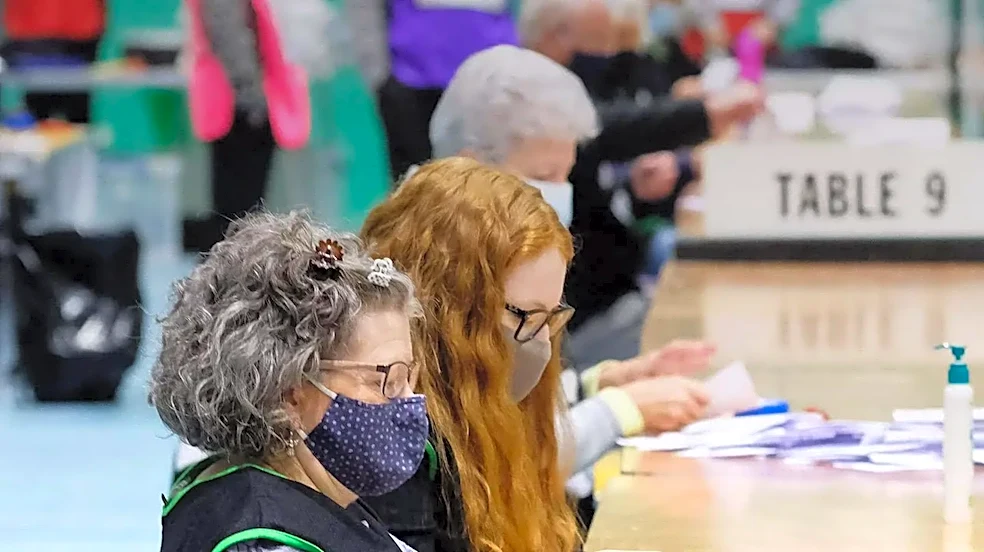
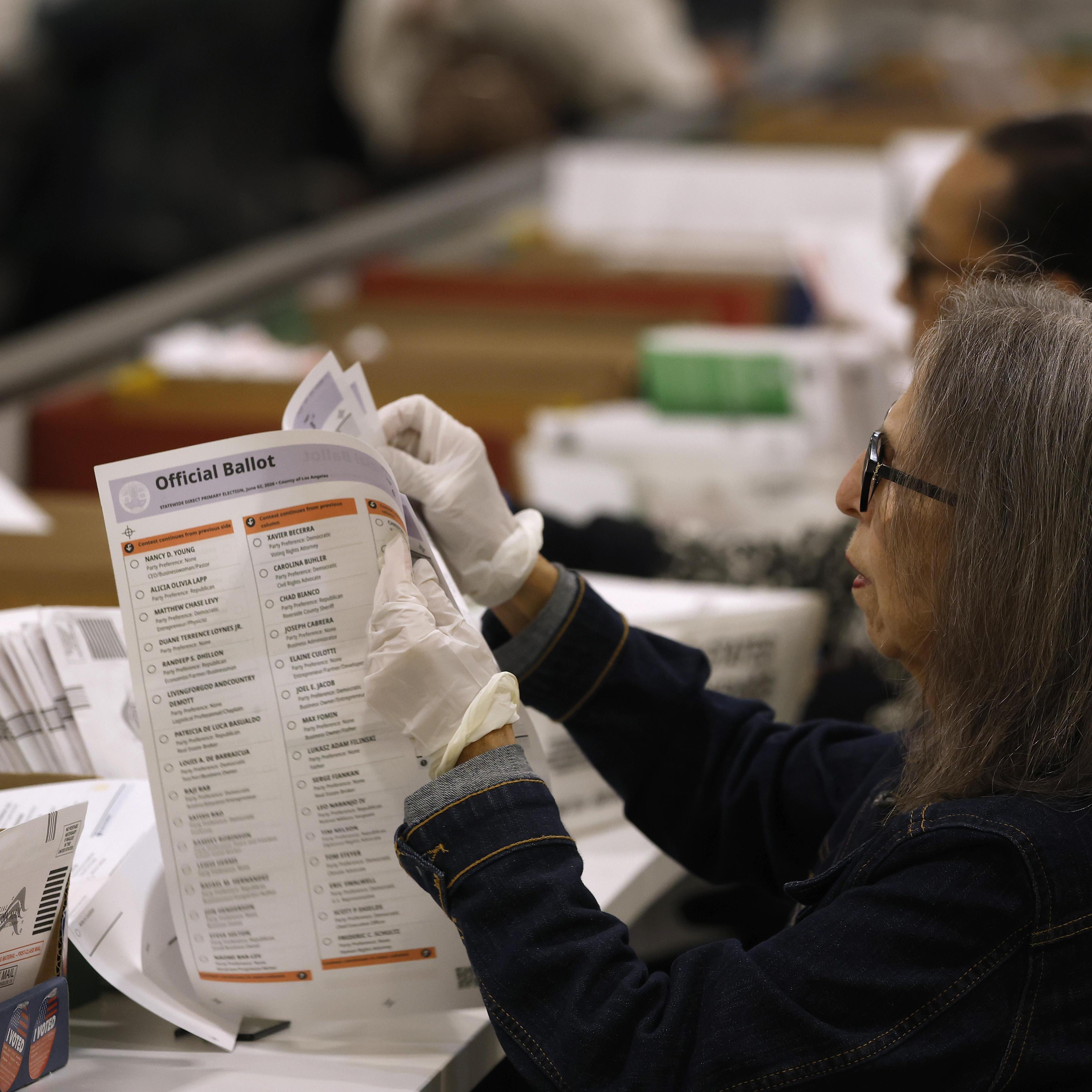
Once the polls close and the counting begins, the rules for observation continue to apply. Wyoming law specifies that after voting ends, only election judges and certified poll watchers are allowed to be present in the polling place where ballots are being tallied. This grants observers a privileged position to witness the reconciliation of pollbooks and the tabulation of votes, a critical phase for transparency. Their presence is meant to provide a check on the process, ensuring that procedures are followed correctly. However, their role remains passive. They observe the count but do not participate in it. For instance, they cannot handle ballots or subjectively interpret a voter's intent on a damaged ballot; that responsibility falls to election officials under standards set by the Secretary of State.
Balancing Transparency and Security
Wyoming's framework for election observers is a deliberate attempt to balance two core principles: transparency and security. By allowing designated representatives from political parties to watch the proceedings, the state creates a mechanism for public accountability. This helps build confidence that the election is being administered fairly. At the same time, the strict rules on who can be an observer and what they can do are designed to protect the integrity of the vote and the privacy of voters. The prohibitions against interference, disruption, and challenging voters prevent the observation process from becoming a tool for intimidation or delay. Election officials retain the final authority to manage the polling place and counting center, ensuring the process remains orderly and efficient. This balance is a common feature in election laws across the country, though the specific rules vary from state to state.