



The First Big Drop of Results
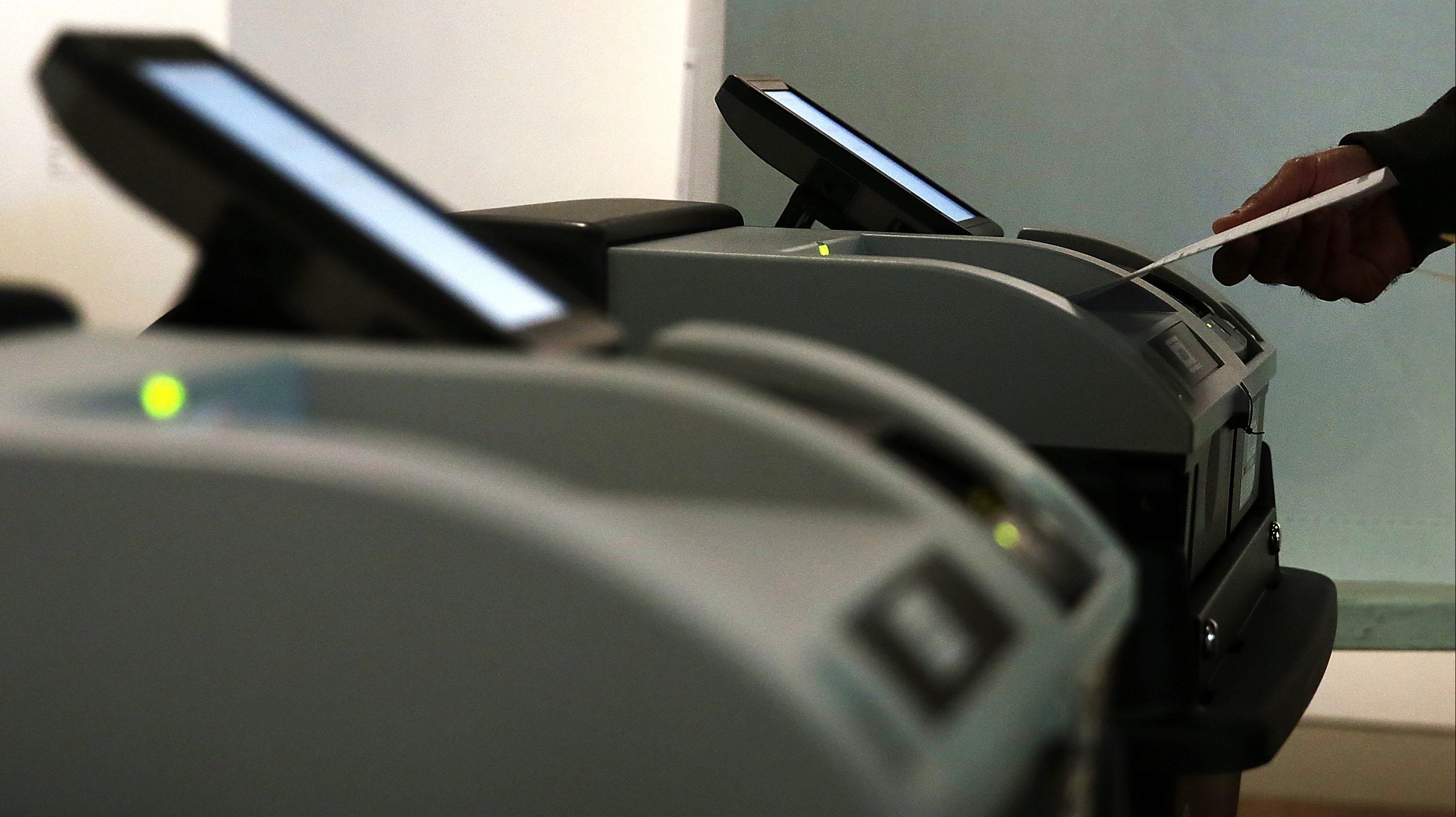
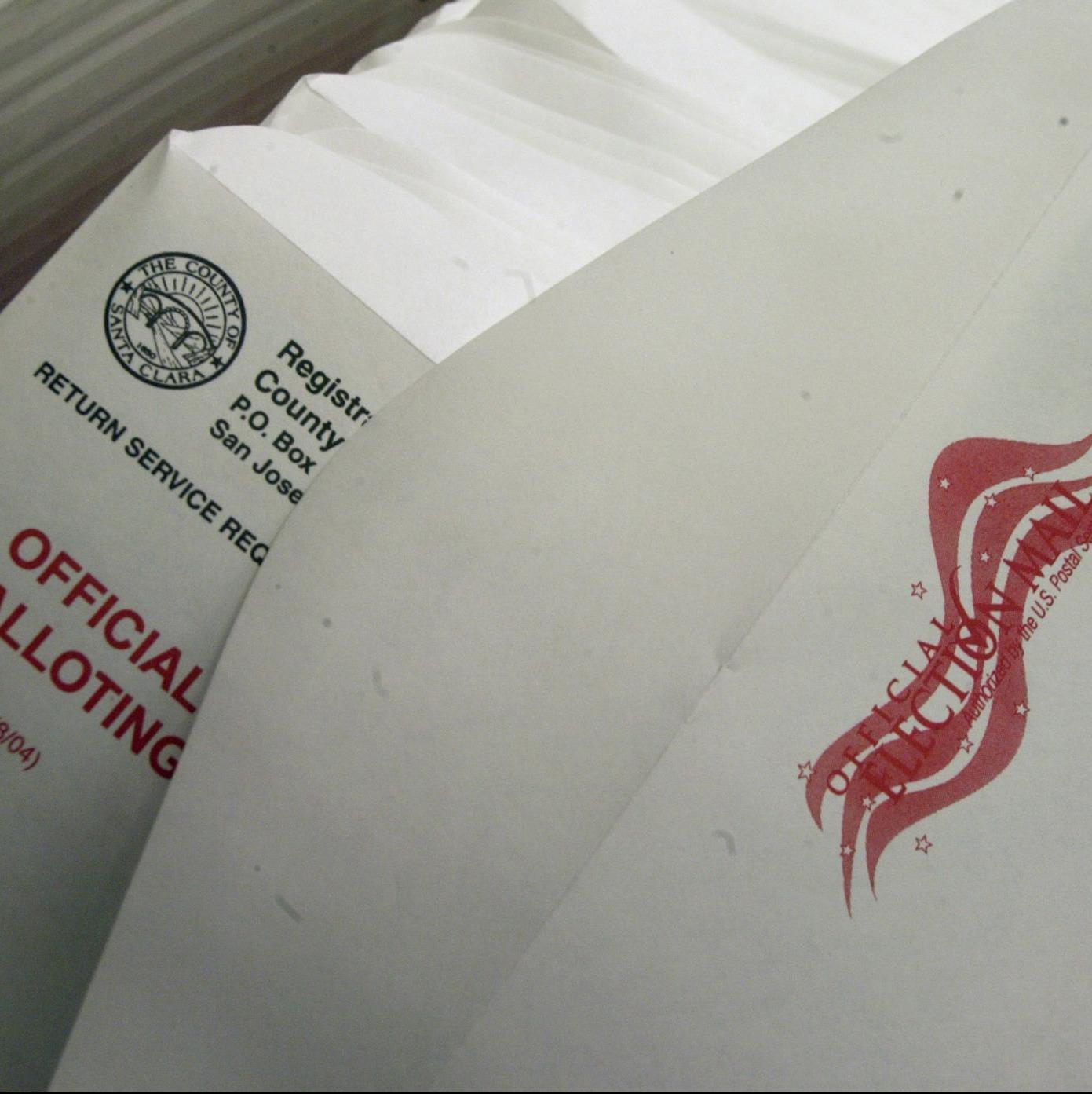
Shortly after 8:00 p.m. Mountain Time, once the last voter in line has cast a ballot, Utah county clerks release their first, and typically largest, batch of results. This initial dump is not a random sample or an exit poll; it represents the vast majority of ballots that have already been received and processed. Since Utah mails ballots to all active registered voters about three weeks before the election, many people vote early. This first release consists almost entirely of these vote-by-mail ballots that arrived in the days and weeks leading up to Election Day. Because so many Utahns use this method, this initial count often provides a strong, early indication of where many races are headed.
The Second Wave: In-Person Votes
Later on election night, a second, smaller set
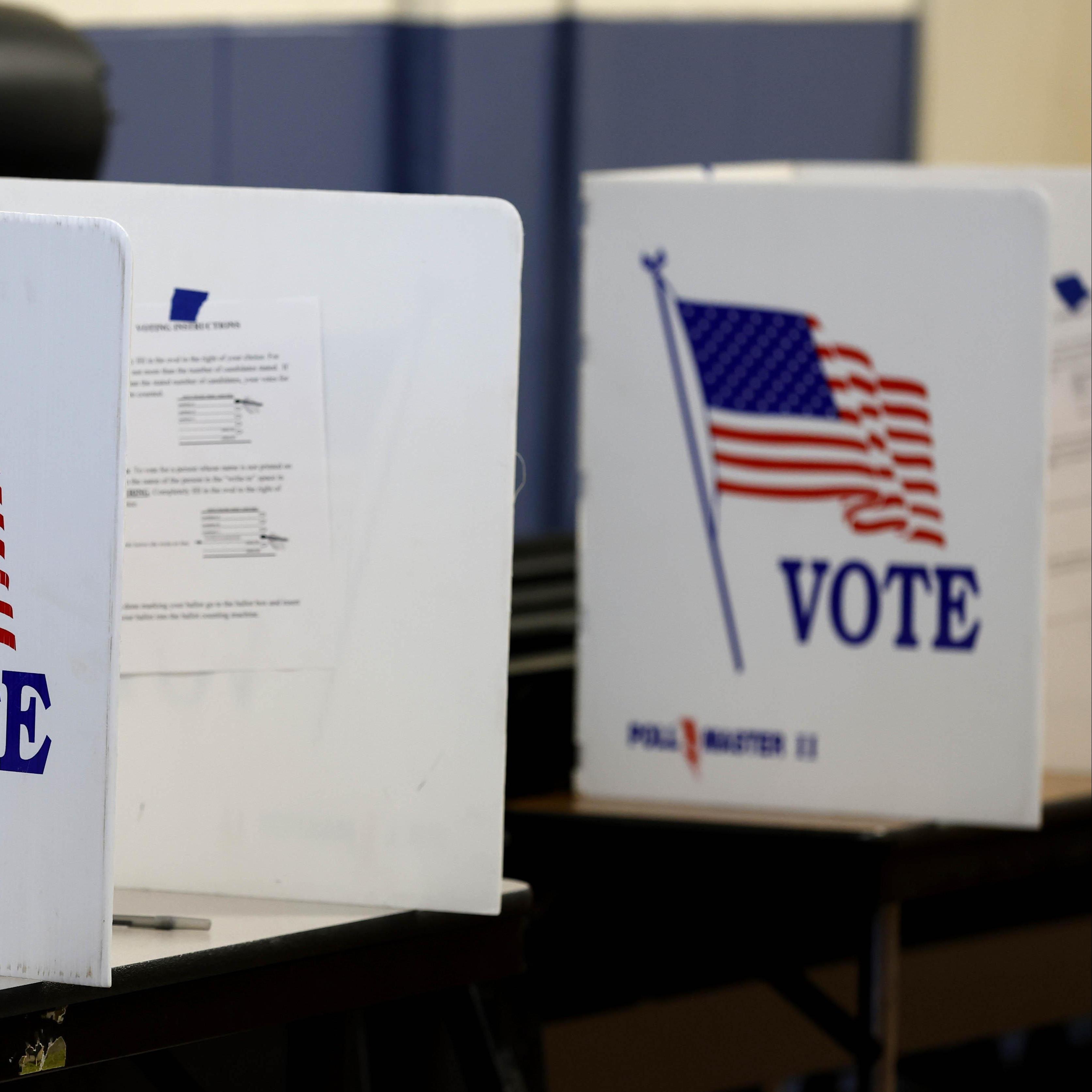
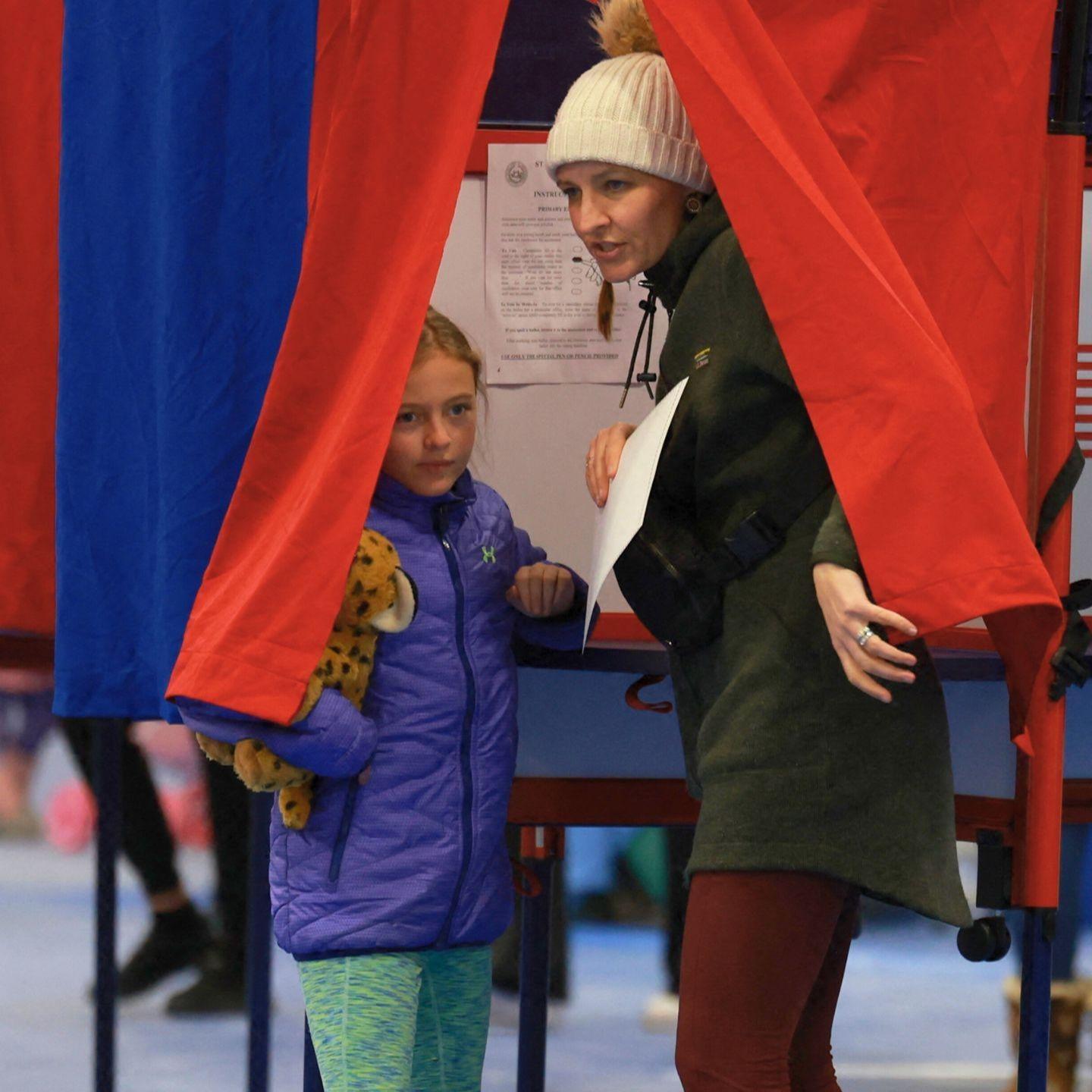
of results is typically released. This update includes votes from Utahns who chose to cast their ballots in person on Election Day. While most Utahns vote by mail, every county provides vote centers for those who prefer the traditional experience, need assistance, or need to register on the same day. This batch also begins to incorporate mail-in ballots that were dropped off at clerk offices or in secure drop boxes on Election Day itself. While smaller than the first wave, this update can be crucial in tightening the margins of close contests as the night progresses.
What's Left to Count After Election Night
Official results are never final on election night. Several categories of ballots require additional time and verification. This includes provisional ballots, which are cast when a voter's eligibility is in question, such as with a registration issue. Election officials must verify these voters' eligibility before their ballots can be counted, a process that can take several days. Also included are mail-in ballots that were dropped off in the final hours of Election Day and haven't been processed yet, as well as ballots that have signature verification issues. Clerks must notify voters of any problems, giving them a chance to 'cure' their ballot so it can be counted. These remaining ballots are counted in the days following the election, with counties releasing periodic updates.
The Final, Official Certification
After all the valid ballots have been counted, re-counted in some cases, and audited, each county convenes a Board of Canvassers to review and certify the results. This certification typically happens about two weeks after Election Day. Once the counties certify their results, the statewide Board of Canvassers meets to conduct the final, official canvass for the state. This deliberate, multi-step process ensures accuracy and public trust. While it may feel slow in an age of instant information, the time between Election Day and final certification is a feature, not a bug, of a secure and transparent system. It ensures that every valid vote is counted correctly before any race is officially called.