

The Canvass Is More Than Just a Count
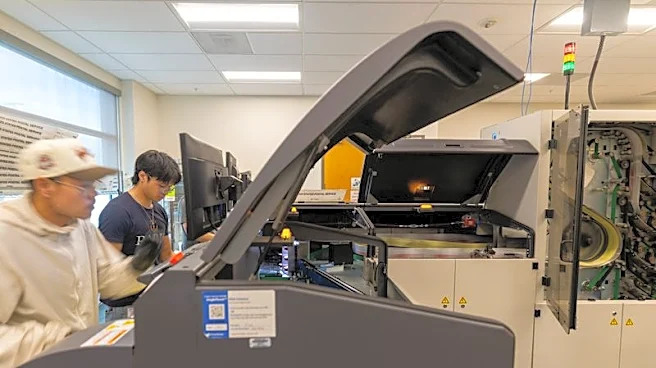
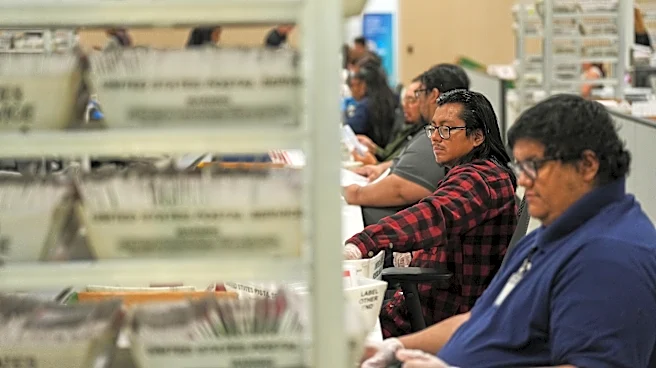
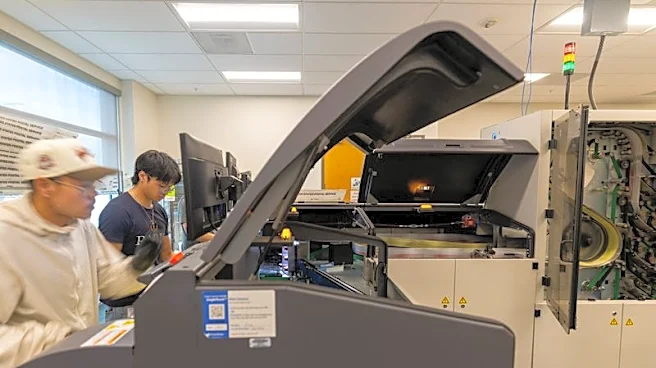
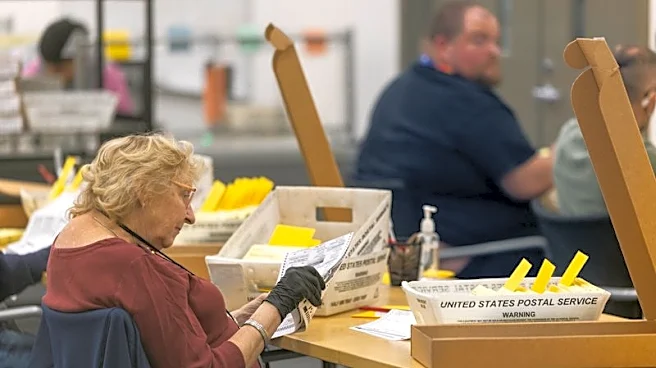
In the world of elections, the term 'canvass' is one of the most important and least understood. It isn’t a recount prompted by a close race; it's the legally required, official process of counting every ballot and validating the entire election. Think of it as a comprehensive audit that begins after the polls close. For California's 58 county election offices, this involves a series of critical tasks: opening and processing millions of vote-by-mail ballots, verifying that the signature on every single mail-in envelope matches the one on file for the voter, and counting ballots cast on Election Day. It also includes researching and validating provisional ballots—those cast when a voter's eligibility in question—and processing ballots from residents
who registered and voted on the same day. This methodical work is the foundation of a trustworthy election result.
Why the Wait Starts Immediately
While some results are released shortly after 8 p.m. on Election Night, these are only the semi-official tallies from early-arriving mail ballots and in-person voting. The timeline stretches out because California law is designed to maximize voter participation. A key factor is the state's acceptance of vote-by-mail ballots that arrive well after Election Day. As long as a ballot is postmarked on or before November 3rd, it can be received by county officials up to seven days later and still be counted. This grace period alone means that the full universe of ballots isn't even in the hands of election officials until a full week after voting concludes. From there, the intensive work of signature verification and ballot processing begins, ensuring that these legally cast votes are included in the final tally. This stands in stark contrast to states that require all ballots to be received by the close of polls on Election Day.
The 30-Day County Marathon
The heavy lifting of the canvass happens at the county level. Under California law, county election officials have up to 30 days after the election to complete their official canvass of the vote. During this four-week period, they work through the backlog of late-arriving mail ballots and resolve any issues with provisional ballots. This window also provides time for a crucial democratic safeguard: signature 'curing'. If a voter forgets to sign their mail-in envelope or the signature doesn't match what's on file, officials must contact the voter and give them an opportunity to fix the issue so their ballot can be counted. To further ensure accuracy, every county is also required to perform a public manual tally of all the ballots from at least 1% of its precincts, comparing the hand count to the machine count to confirm the equipment is working correctly.
Accuracy Over Speed Is the Law
There’s an old saying among election administrators: 'Fast, accurate, or cheap—pick any two'. California, the nation's most populous state with over 23 million registered voters, unequivocally prioritizes accuracy over speed. The state’s lengthy and transparent canvass period is a feature, not a bug. It reflects a deliberate policy choice to ensure every valid vote is counted and that the public can have faith in the outcome. While the wait can be frustrating for candidates, journalists, and voters eager for finality, the process is designed to prevent the disenfranchisement of voters who followed the rules. Rushing the count would mean throwing out legally cast ballots with minor, correctable issues or failing to include mail-in ballots that are still in transit after Election Day. For California, the integrity of the result is worth the wait.
The Final Step: Statewide Certification
Once each of the 58 counties completes its work and certifies its local results, they transmit the final numbers to the California Secretary of State. The state office then undertakes its own review, compiling all county reports into a single, official statewide result. This final act puts the official stamp on the election. By law, the Secretary of State has until the 38th day after the election to certify the results for most offices. For a general election held on November 3, this deadline typically falls around December 11. Only after the Secretary of State signs and certifies the statewide canvass are the election results truly final, officially declaring the winners and confirming the outcomes of ballot measures across the state.