




The Head Start: Absentee and Mail-In Ballots
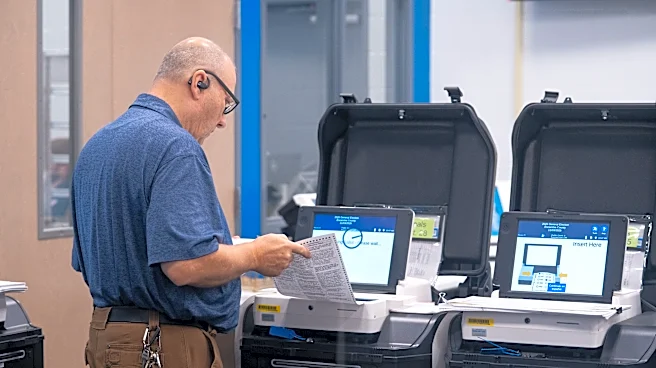
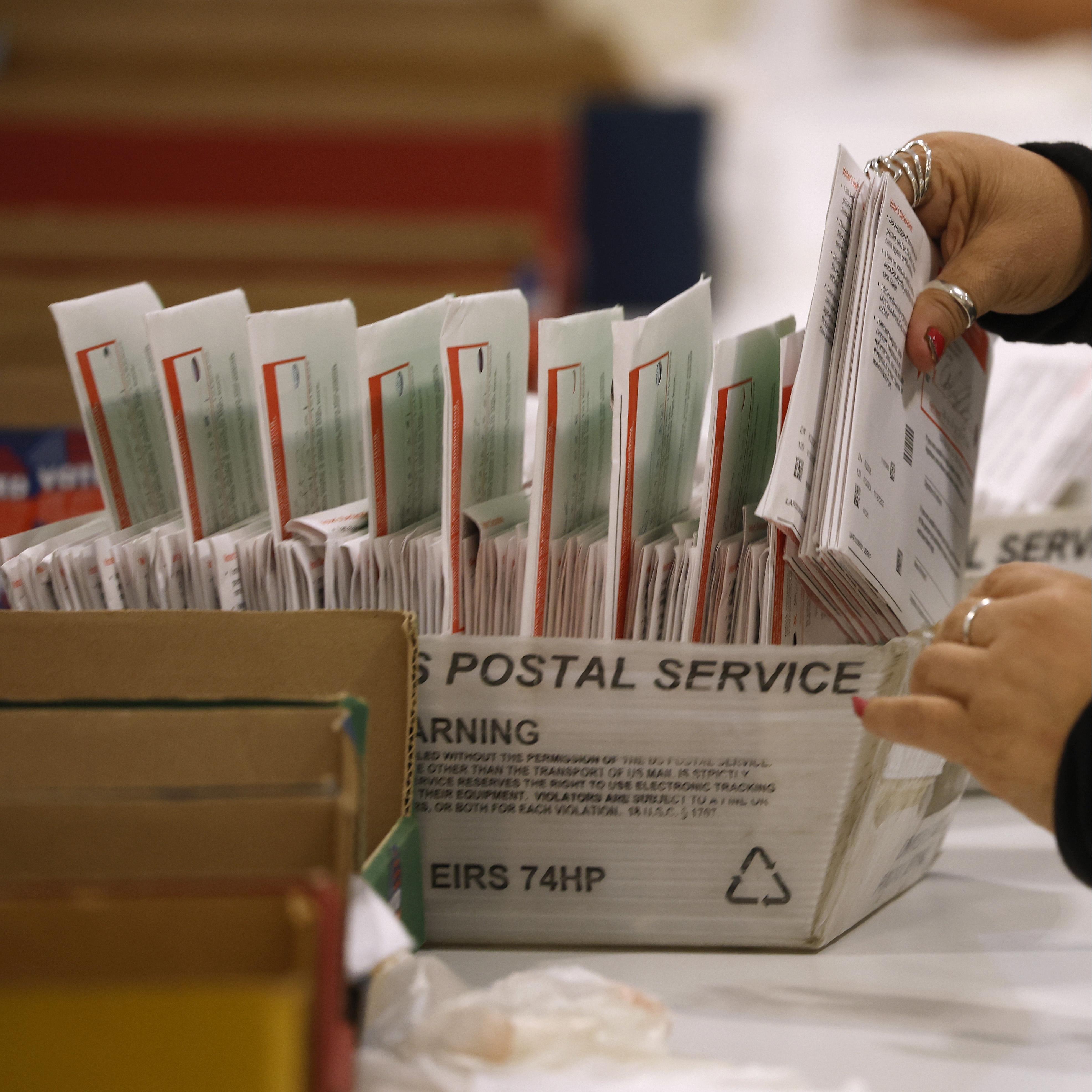
The first ballots to be processed in Minnesota are actually the ones that arrive before Election Day. State law allows election officials to begin processing and even counting absentee ballots well in advance. This pre-processing can start as early as 18 days before the election. Election judges verify signatures, open the outer envelopes, and separate the anonymous ballot envelopes to preserve secrecy. Then, they can start feeding the actual ballots into tabulation machines. This is a crucial point: the ballots are counted, but the results are not tallied or released. The machines keep a running count that remains hidden until polls close at 8 p.m. on Election Day. This gives Minnesota a significant advantage in delivering timely results, as a large
chunk of the vote is already in the queue, ready to be reported.
The Main Event: In-Person Election Day Votes
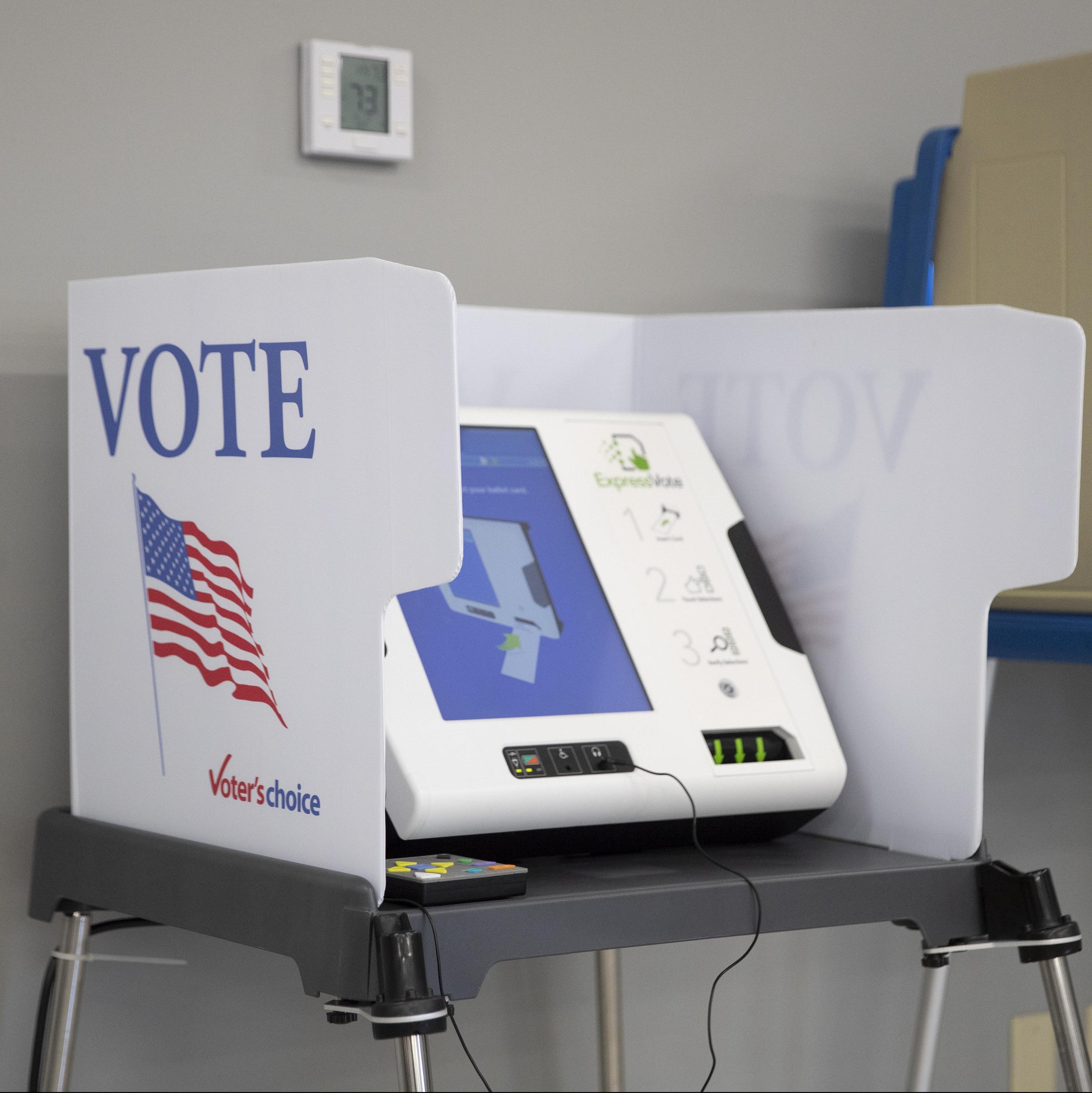
While absentee ballots get an early start, the ballots cast in person on Election Day follow a more traditional path. When you feed your ballot into the optical scan machine at your polling place, it's stored securely within that machine. Once the polls close at 8 p.m., election judges at each of the thousands of precincts across the state initiate the closing process on their machines. This generates a preliminary vote total for that specific precinct. The judges then perform checks to ensure the number of ballots cast matches the number of voters who signed in. These precinct-level results are the second major stream of votes to be tabulated.
The Grand Reveal: Reporting the Totals
So which results do you see first? It's a mix. Shortly after 8 p.m., two sets of numbers begin to populate the results website run by the Minnesota Secretary of State: the totals from the in-person Election Day machines and the pre-scanned absentee ballots. Because a significant number of absentee ballots have already been counted, Minnesota can often report a large portion of its total vote relatively early in the evening. County election officials transmit these unofficial results from both sources throughout the night. This process—combining pre-counted absentee ballots with precinct results right after polls close—helps Minnesota avoid the significant delays and dramatic vote swings seen in states that can only begin processing mail-in ballots on Election Day itself.
The Final Pieces: What Gets Counted Later
While the vast majority of votes are counted on Election Night, the process isn't officially over. There are always ballots that take a bit longer. These can include absentee ballots that are dropped off in person late on Election Day, which must be received by 8 p.m. to be counted. There might also be a small number of provisional ballots or ballots that require special handling, such as those that are damaged and need to be duplicated by hand by a bipartisan team of election judges to be read by the scanner. These are typically not numerous enough to sway most races, but in a very close contest, they can be critical. The final, official results are confirmed later by county and state canvassing boards, which review and certify the vote counts.