




The Law Says Yes, but With Rules
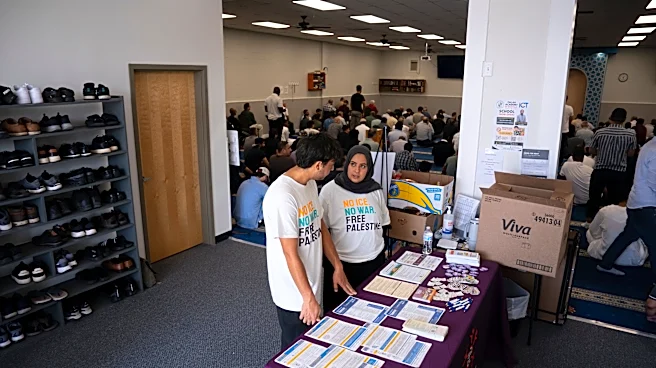
Pennsylvania state law absolutely permits the presence of observers, officially called 'poll watchers' and 'authorized representatives', at polling places and ballot-counting centers. This isn't a free-for-all, however. The entire process is governed by a detailed set of regulations designed to balance transparency with the need to prevent voter intimidation and disruption. These rules dictate who can be a watcher, where they can serve, and what they are legally allowed to do.
Who Gets to Be a Watcher?
Not just anyone can walk into a polling place and declare themselves an observer. In Pennsylvania, poll watchers must be appointed and certified in advance. Appointments are made by candidates and political parties on the ballot. A crucial rule is that a poll watcher must be a registered
voter in the county where they are serving. This prevents campaigns from busing in people from other parts of the state to monitor polls, a point that has been tested in court. Each watcher is issued a certificate from their county board of elections, which they must present upon request. Parties and candidates can appoint multiple watchers per precinct, but only one from each appointing entity can be inside at any given time.
What Observers Can (and Cannot) Do
The rights of a poll watcher are specific. They are allowed to be present inside the polling place but must remain outside the 'enclosed space' where voting actually occurs. They can keep their own list of voters and, under supervision, inspect the official voter list when no voters are present. Most importantly, they can make 'good faith' challenges to a voter's eligibility, but only on two grounds: identity (the person is not who they say they are) or residency (the person no longer lives in the precinct). These challenges are made to the local Judge of Elections, not directly to the voter. The list of what watchers cannot do is much longer. They are strictly forbidden from talking to, harassing, threatening, or intimidating voters in any way. This includes taking photos or videos of voters, blocking access to the polls, or asking voters for documentation. They cannot campaign, wear political gear, or interfere with election workers' duties. If a watcher violates these rules, the Judge of Elections is empowered to have them removed.
Observing the Count: A Modern Battleground
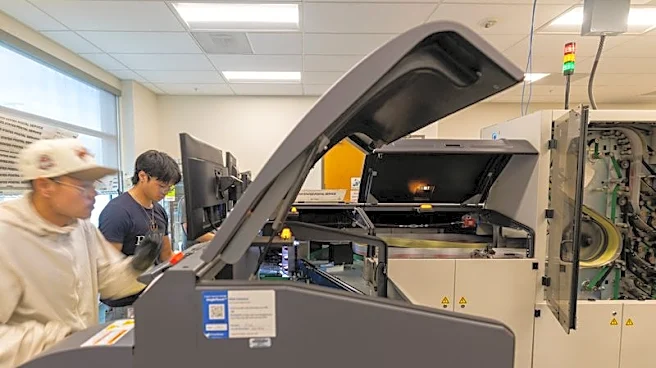
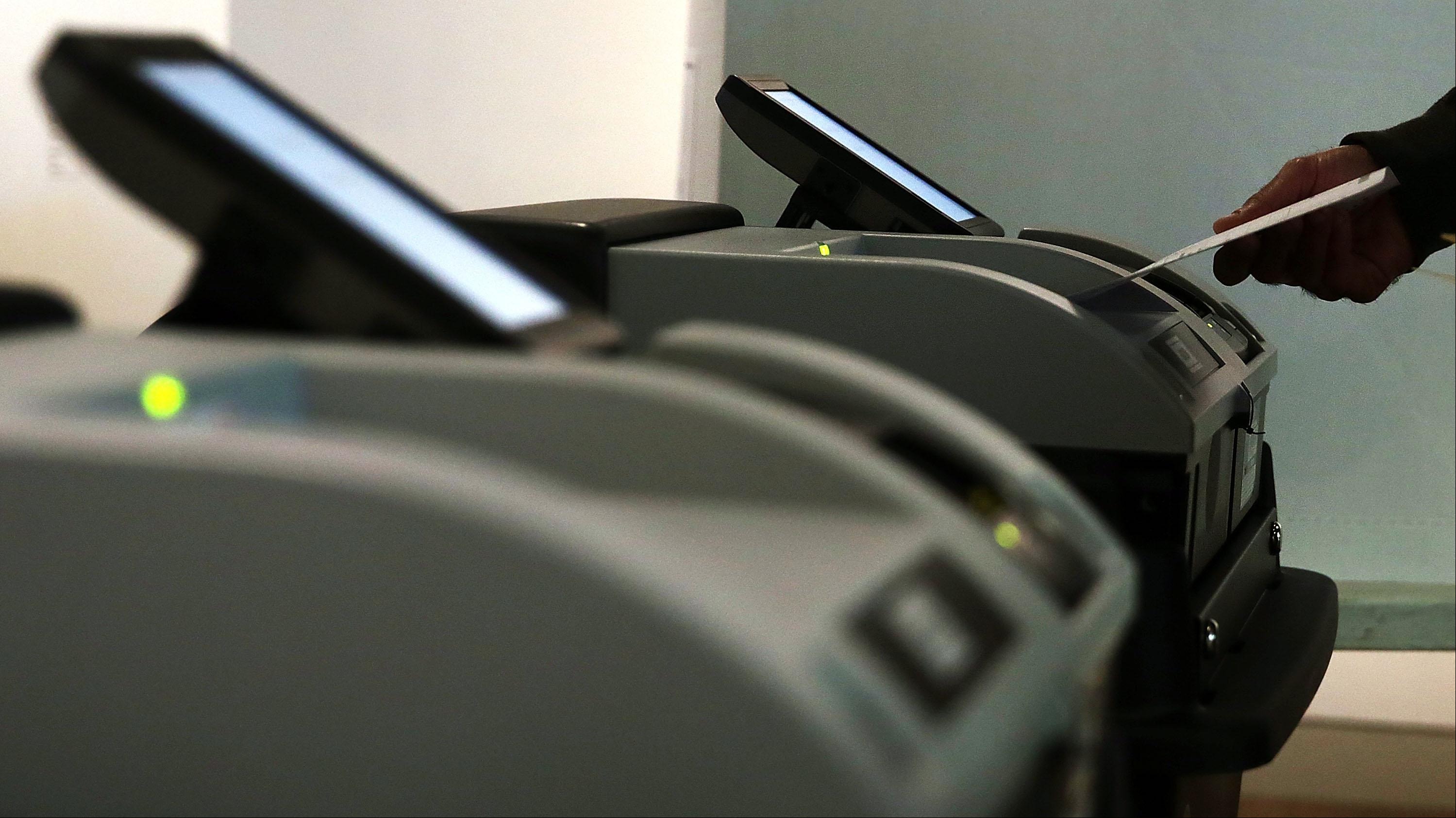
The rules extend beyond Election Day polling places to the locations where mail-in and absentee ballots are pre-canvassed and counted. Here, campaigns and parties can appoint 'authorized representatives' to observe the process. This became a significant point of legal and political conflict in recent elections, with lawsuits focusing on how close observers could get to the actual ballot processing. The law ensures access for observation but also gives county election officials the authority to set rules that maintain an orderly and secure count. Just like at polling places, these representatives can observe the proceedings, but they cannot handle ballots, interfere with the count, or disclose results before polls close. Their presence is meant to ensure protocols are followed, providing a layer of public accountability to a critical, and often lengthy, part of the modern election process.