

The Short Answer: Yes, With Rules
Yes, California law absolutely permits public observation of the vote-counting process. This isn't just a courtesy; it's a legal right designed to ensure transparency and build public confidence in election results. The entire process, from the moment vote-by-mail ballots are received and processed until the final certification of the election, is open to observers. This is outlined in the California Elections Code, which treats public oversight as a cornerstone of election integrity. The goal is to demystify how your vote is handled and counted, ensuring that every step is conducted according to the law. There is no legal distinction between a partisan 'poll watcher' and a non-partisan 'observer'; the same rules apply to everyone.
Who Is Allowed to Watch?
California
is quite broad about who can be an election observer. Essentially, any member of the public is welcome. You don't need to be a registered voter or affiliated with a specific group. The law explicitly provides access for political parties, media organizations, and 'bona fide associations of citizens'. County election officials also proactively invite civic groups like the League of Women Voters, county grand juries, and advocacy organizations to observe. However, you don't need a formal invitation to participate. Upon arrival at a counting center, observers are typically required to check in and may be asked to wear an ID badge to clearly identify them.
What Can Observers Actually Do?
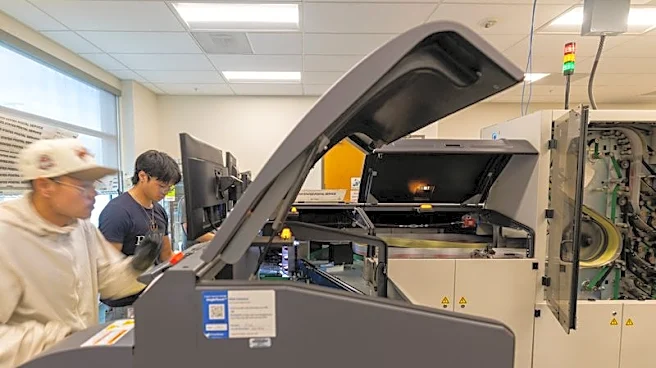
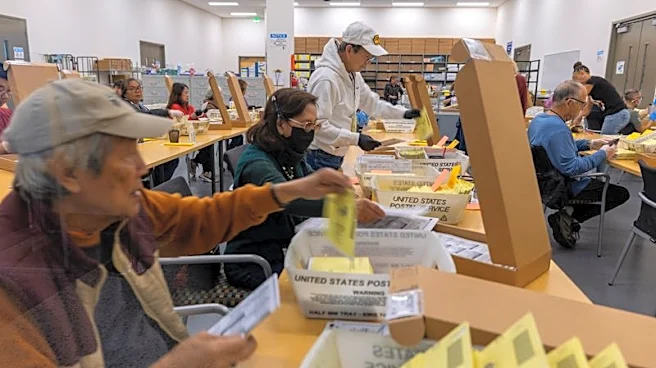
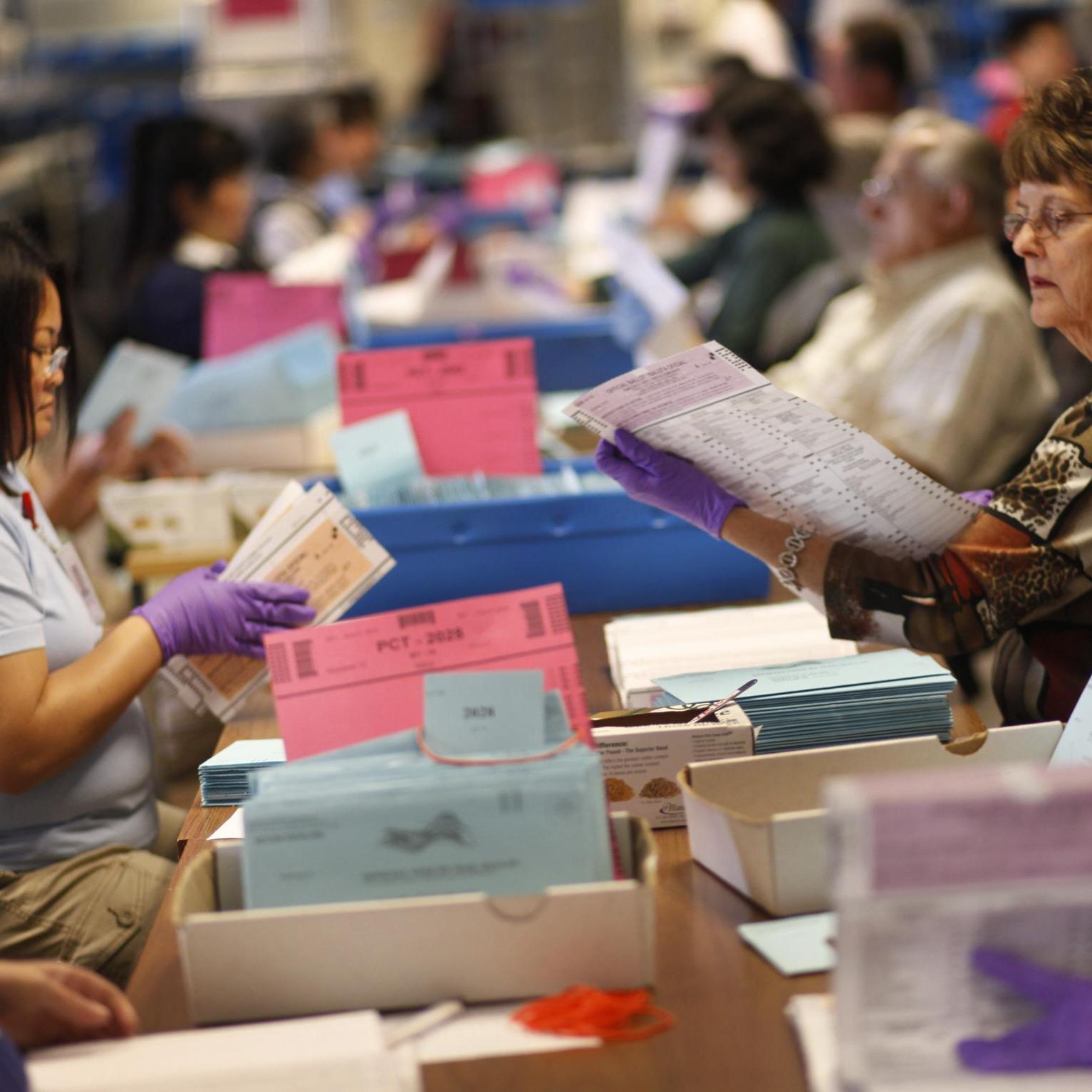
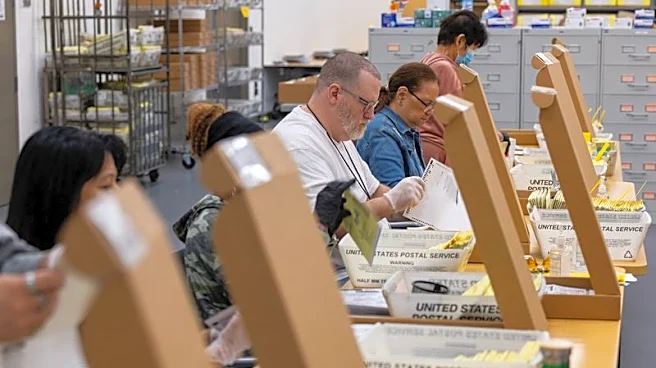
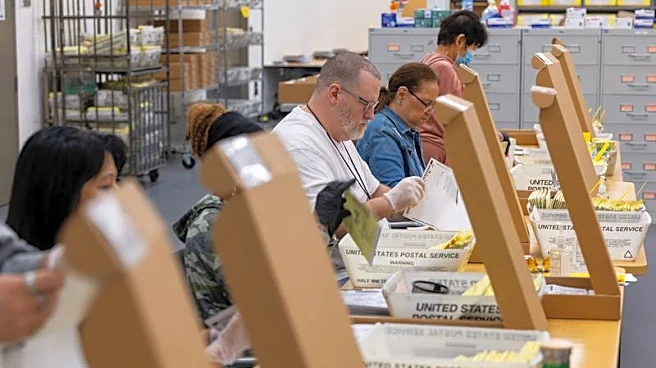
An observer’s main role is to watch the process and ensure procedures are followed correctly. This includes a wide range of activities. Observers can watch the retrieval of ballots from drop boxes, the processing of vote-by-mail envelopes, and the signature verification process. They are allowed to be positioned sufficiently close to see what's happening, such as observing signatures on envelopes, without interfering. They can also watch as damaged ballots are duplicated and, of course, observe the tabulation of votes. Observers have the right to take notes and ask questions of designated election officials, so long as it does not disrupt the work. They can also formally challenge a procedure if they believe it's not being followed, and an elections official will then address the challenge.
The 'Look, Don't Touch' Policy
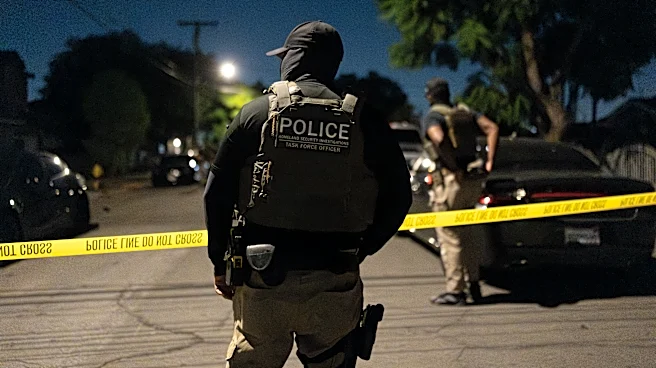
While access is broad, the rules of conduct are strict to protect both the workers and the sanctity of the ballots. The cardinal rule for observers is that they cannot touch or handle any ballots or voting equipment. They cannot interfere with the work of election staff, sit at official worktables, or view confidential voter information on computer screens. Electioneering—displaying campaign buttons, soliciting votes, or wearing partisan apparel—is strictly forbidden within 100 feet of a polling place or counting center. Observers also cannot wear uniforms that might be intimidating, such as those of security guards or peace officers. Elections officials have the discretion to manage the observation area, including limiting the number of observers if a room becomes too crowded and requiring them to remain quiet if conversations become disruptive. Anyone who violates these rules can be asked to leave.