



What Is a Canvass, Anyway?
First, let's clear up a common misconception: a canvass is not a recount. Think of it as a comprehensive audit of an election. A recount is a second counting of the votes, usually triggered by a very close margin. A canvass, on the other hand, is the legally required process where election officials verify that every valid vote has been counted correctly. It involves reconciling the number of voters who signed in at polling places with the number of ballots cast, reviewing provisional ballots to determine voter eligibility, and ensuring that mail-in ballots were properly signed and submitted. This meticulous review is a foundational part of ensuring election integrity—it’s how states make the results official.
The Official Timeline in Rhode Island
Unlike many states that set a firm
deadline weeks after Election Day, Rhode Island's timeline is more fluid and event-driven. State law requires local boards of canvassers to meet on the day after the election to start tabulating returns and announce preliminary results. However, they cannot issue certificates of election—the formal declaration of a winner—until the seven-day period for requesting a recount has expired. If a recount is requested, the certification must wait until that process is fully resolved. While there isn't a single, fixed statutory end date for the entire state canvass, the process generally takes up to two weeks to become official, assuming there are no major legal challenges or extensive recounts.
Who Does the Work?
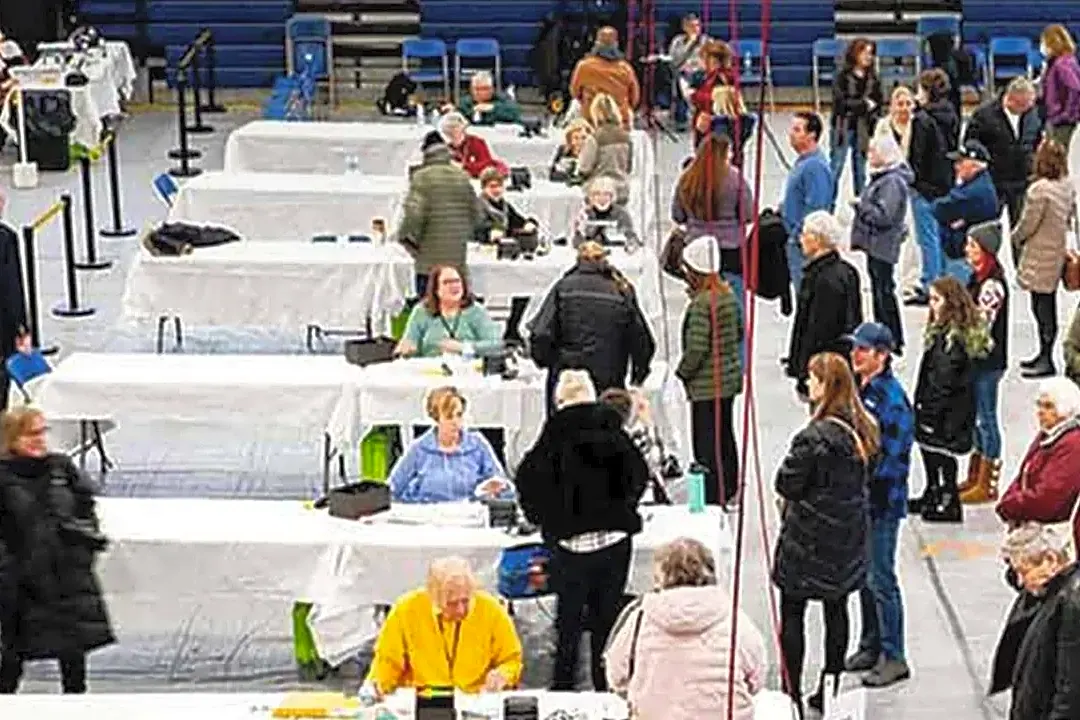
In Rhode Island, the post-election process is a joint effort between local and state bodies. The initial heavy lifting is done by the 39 local boards of canvassers, one for each city and town. These bipartisan boards are responsible for things like approving voter lists ahead of the election and then tabulating the returns from their specific jurisdictions immediately after. The State Board of Elections, a statewide body, exercises general supervision over the local boards. Its primary role after the election is to canvass and tabulate all votes cast statewide, including all mail ballots, and to handle any recounts that are requested. This division of labor ensures local oversight while maintaining a centralized, consistent standard for finalizing the vote.
Why Patience is Part of the Process
The wait for official results can feel frustrating in an era of instant information, but election experts stress that speed is the enemy of accuracy. The canvassing period is designed to be deliberate. It provides the necessary time for officials to catch and correct potential errors, ensure every eligible voter's ballot is counted, and resolve any discrepancies. This includes the painstaking process of signature verification on mail ballots and adjudicating provisional ballots cast on Election Day. Rushing this audit would increase the risk of mistakes and undermine public confidence in the outcome. The buffer for recount requests is another critical element, providing a legal and orderly path for candidates to ensure the count was correct in exceptionally close races.