



Yes, Observation is a Right in Utah
The short answer is a definitive yes. Utah law explicitly allows for the observation of election processes, including the counting of ballots. This isn't just a courtesy; it's a legally protected aspect of the state's election code, designed to foster public trust. According to state law, specifically Title 20A of the Utah Code, individuals have the right to be 'watchers'. The system is built on the principle that transparency is a key component of a fair election. Any registered or even preregistered voter in Utah can become a watcher for any part of the election process by registering with the local election officer, typically the county clerk.
Who Can Be a Watcher?
Utah has broad eligibility for who can serve as an election watcher. Any individual who is registered
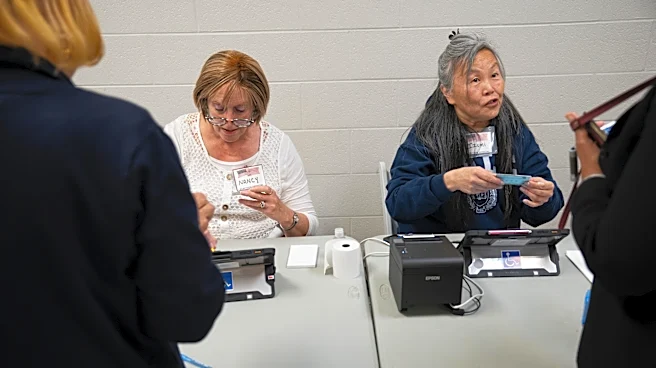
to vote in the state can sign up to be a watcher at any time. Some counties, like Salt Lake County, have simple online sign-ups and just require verification of voter registration upon arrival. There are generally two types of watchers. The first is any interested citizen who registers themselves with the county clerk. The second type is an 'official' or 'certified' watcher, who is designated by a candidate, a registered political party, or a political issues committee. This ensures that all interested parties have a formal presence. However, even without being certified by a campaign or party, any registered voter can still participate as an independent observer.
What Observers Can (and Cannot) Do
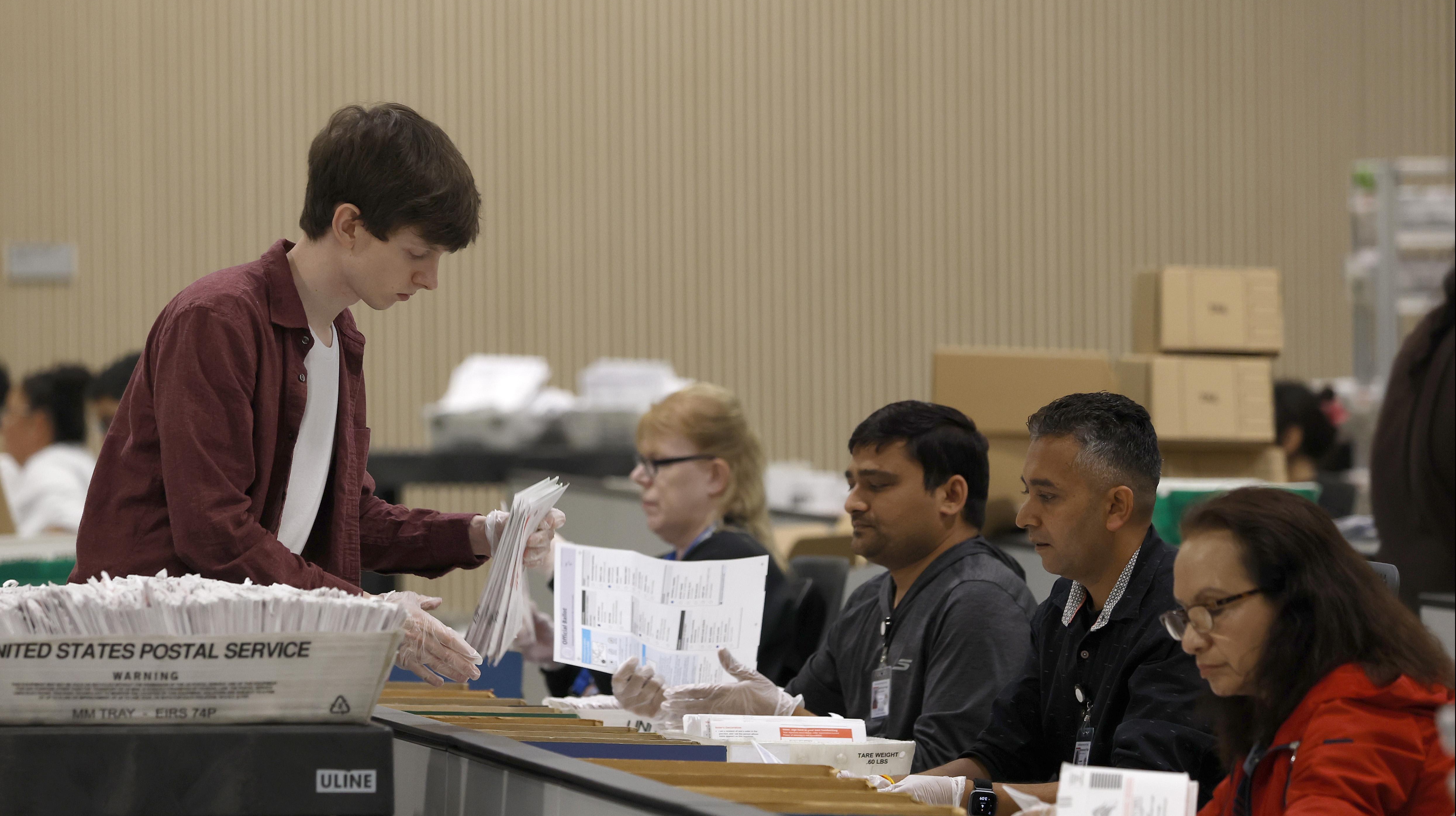
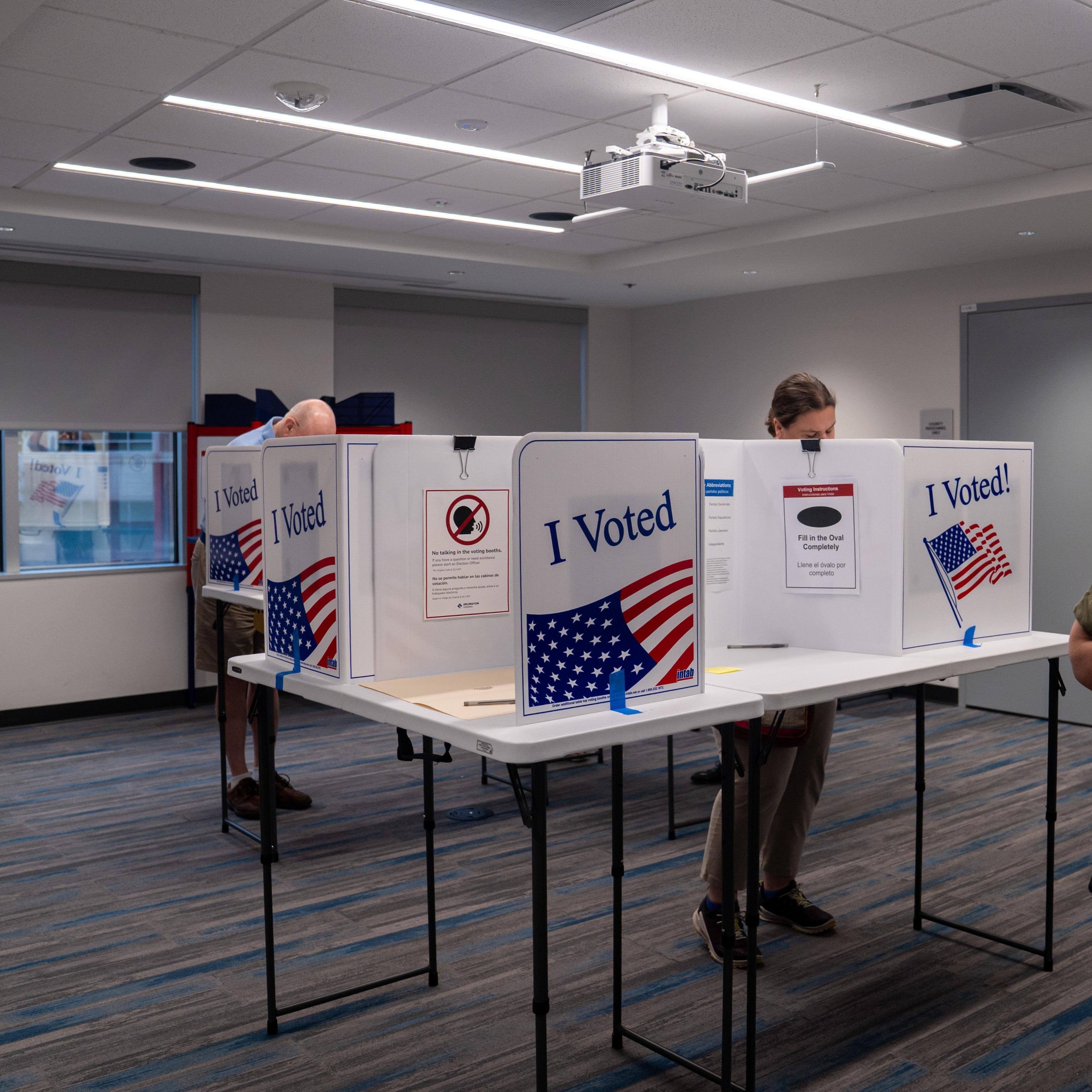
The role of a watcher is to observe, not to interfere. Their primary function is to monitor the process for fairness and adherence to the law. Permitted activities include observing the setup and takedown of polling locations, watching voters check in, and monitoring the processing and counting of ballots. Watchers are allowed to take notes, even on electronic devices in some cases, and can challenge a voter's eligibility if they have cause, following specific legal procedures. However, the restrictions are just as important. Watchers cannot interfere with election workers, impede the process, or violate a voter's privacy. They are explicitly forbidden from speaking to voters, taking photos or videos during voting, or communicating the progress of the count to the outside world, an offense that can be a felony. Election officials can set distance rules and may remove any watcher who becomes disruptive.
The Balance Between Transparency and Security
Utah's framework for poll watchers aims to strike a critical balance. On one hand, allowing citizens, parties, and candidates to observe the mechanics of an election is a powerful tool for building public confidence. It demystifies the process and provides a layer of public accountability. Non-partisan groups often encourage citizens to participate as a way to engage with the democratic process directly. On the other hand, strict rules against interference, intimidation, and disruption are in place to protect the integrity of the election itself and the privacy of every voter. Election officials have the authority to manage the number of observers in a given space to prevent overcrowding and ensure that their staff can do their jobs efficiently and without pressure. This managed approach ensures that the desire for transparency doesn't compromise the security and accuracy of the final count.