



When a Recount Becomes Necessary
In Ohio, a recount can be triggered in two main ways: automatically due to a razor-thin margin, or by a specific request from a candidate or group of voters. An automatic recount is initiated by election officials, not by the campaigns themselves. This happens when the final, certified vote count is exceptionally close. If the margin isn't close enough for an automatic recount, a defeated candidate—or a group of five or more voters in the case of a ballot issue—can still formally request one. They must do so within five days of the official election certification.
The Automatic Recount Thresholds
The margin that triggers an automatic recount in Ohio depends on the race. For statewide contests, like for governor or a U.S. senator, a recount is required if the difference between
the winning and losing candidate is 0.25% or less of the total votes cast. For elections at the district, county, or municipal level, the margin is slightly wider: an automatic recount occurs if the difference is 0.5% or less. If the certified results fall within these tight percentages, the Ohio Secretary of State or the relevant county board of elections is legally required to order a recount, ensuring an extra layer of verification at no cost to the candidates.
Requesting and Paying for a Recount
If a race isn't close enough for an automatic recount, a losing candidate can still pursue one by filing a formal application. This comes with a cost. The requester must deposit a fee for each precinct they want recounted. According to the Ohio Secretary of State, this deposit can be around $55 or $70 per precinct, held as security to cover the costs incurred by the county board of elections. However, there's a chance to get that money back. If the recount changes the outcome of the election in favor of the applicant, the entire deposit is refunded. A partial refund is also possible; if the vote total in a specific precinct changes by 4% or more in the requester's favor, the cost for recounting that precinct is returned.
What Happens During the Recount
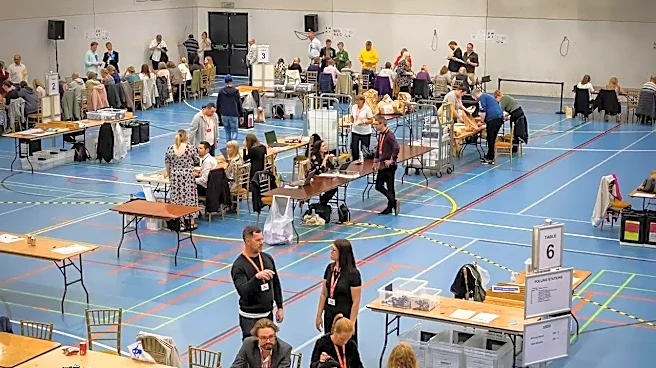
Once a recount is ordered, the local county board of elections sets a time and place, typically within 10 days. The process itself is methodical and transparent. First, officials randomly select precincts totaling at least 5% of the vote. Ballots in these precincts are counted by hand to test the accuracy of the machine count. If the hand count matches the machine results, the rest of the recount can proceed using machine retabulation. If there’s a discrepancy, more hand counting may be required to find the source of the error. Ballots are handled only by election officials, but observers appointed by the candidates are permitted to watch the entire process to ensure transparency.
Finalizing the New Result
The recount must be completed within a strict timeframe, usually 10 days after it was ordered or requested. For presidential elections, the deadline is even tighter to accommodate the Electoral College schedule. Once the recount is finished, the board of elections certifies the new, amended results. This new tally becomes the final, official outcome of the election. While a losing candidate can stop a recount partway through if it's clear the outcome won't change, once the process is complete, the declared result stands. It's a system designed to provide a definitive answer and reinforce public confidence in the final vote count.