



The Short Answer: Yes, With Strict Rules
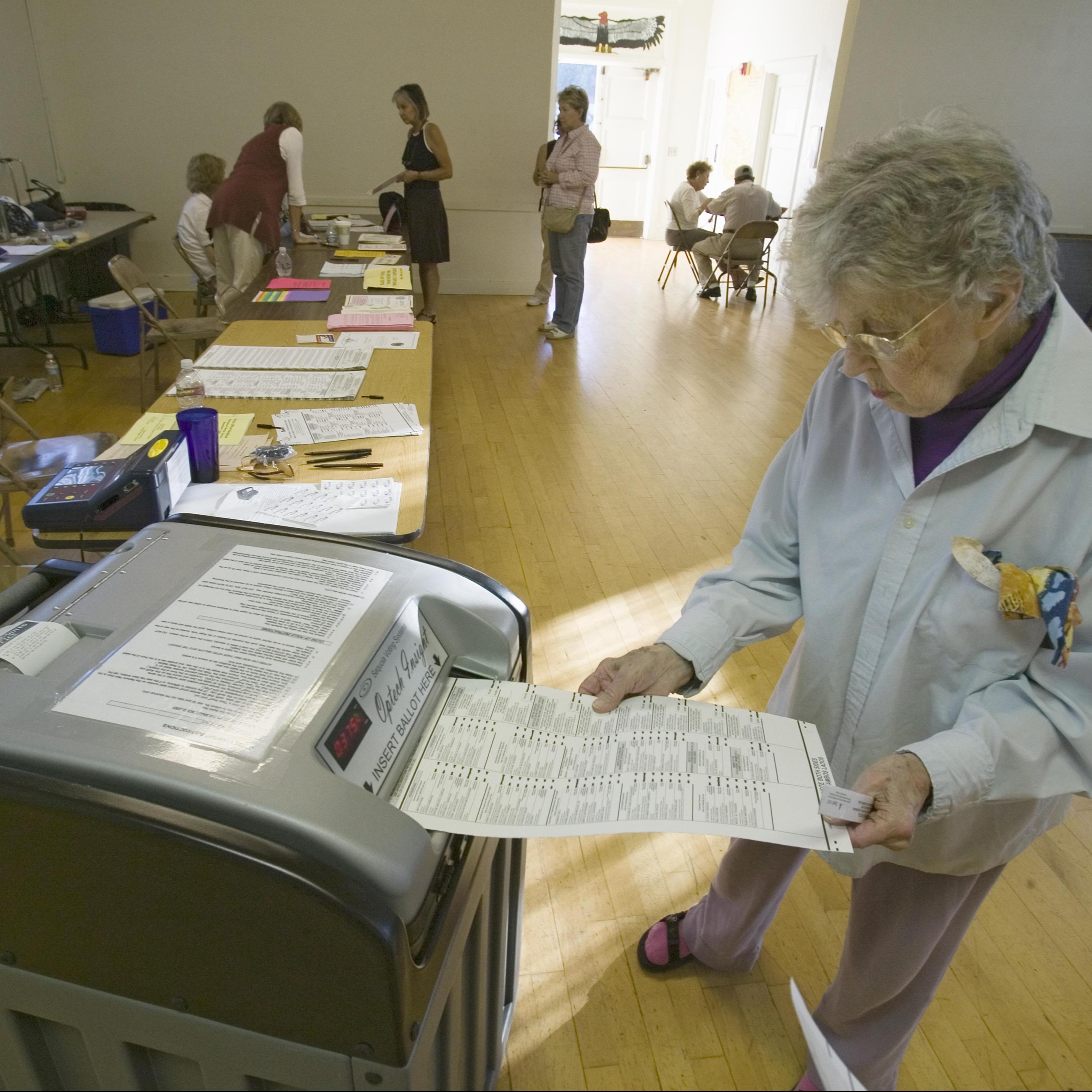
Maryland absolutely permits observers during the vote counting process, which is known as the canvass. In the spirit of transparency, these proceedings are open to the public. However, this isn't a free-for-all. The state has a detailed legal framework for who can observe, what they can do, and where they can be. These individuals are officially called 'challengers and watchers'. Their role is to ensure that election laws are followed without interfering with the process itself. The goal is to strike a critical balance: maintaining public confidence through openness while protecting the security and integrity of every ballot.
Who Gets to Be an Official Observer?
Not just anyone can walk in and claim the title of an official 'challenger and watcher'. To gain privileged access inside
a polling place or counting center, a person must be a registered Maryland voter and be formally designated. This designation can come from several sources: a candidate on the ballot, a recognized political party, a political committee, the State Board of Elections, or a local county board of elections. The designated individual receives a signed certificate, which serves as their official credential. While any member of the public can enter a polling place for the specific purpose of challenging a single voter's identity, they cannot remain to observe the overall process without these official credentials.
The Observer's Playbook: What's Allowed
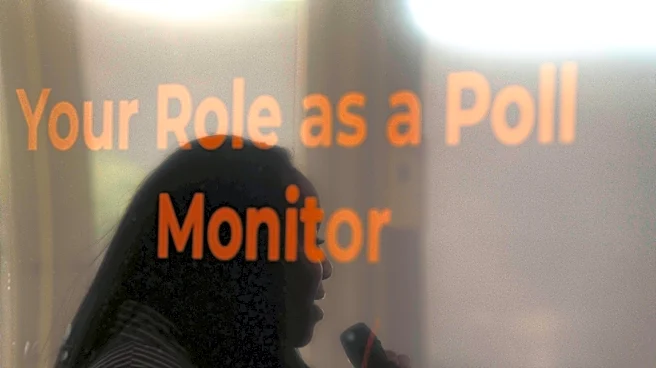
Accredited challengers and watchers have specific rights. They are permitted to be at the polling place from 30 minutes before it opens until after the last tasks are completed at closing. Their positioning is key; they must be located where they can see and hear voters as they check in, without seeing how they vote. During the vote canvass, observers can watch as election officials review mail-in ballot envelopes and provisional ballot applications. They are allowed to keep their own lists of who has voted and can challenge a voter's right to vote, but only on the grounds of identity—meaning they believe the person is not who they claim to be. These challenges are handled by election judges according to a specific legal procedure.
Drawing the Line: What's Prohibited
The restrictions on observers are just as important as their rights. The cardinal rule is to not interfere with the election process. Observers cannot talk to voters inside the polling room, attempt to find out how someone voted, or physically handle any ballots or election documents. They are also barred from impeding a voter's access to an election judge or challenging the actions of an election judge directly. Use of cell phones or other electronic devices may also be restricted within the voting center. Essentially, their role is to 'observe and report' through proper channels, not to actively intervene or disrupt the orderly conduct of the election. Any observer who violates these rules can be removed by election officials.
Why These Rules Matter for Voters
Maryland's system of challengers and watchers is designed to be a feature, not a flaw, of its democratic process. By allowing designated representatives from different political interests to observe the mechanics of an election, the state builds a foundation of bipartisan accountability. The strict rules prevent these observation rights from being weaponized for voter intimidation or disruption. It ensures that the people watching the process are accountable and known to election officials. This structured transparency helps confirm that votes are counted accurately and fairly, according to the law, which is the ultimate goal for voters of all parties. The presence of observers, operating within clear boundaries, helps guarantee that the final certified results are trustworthy.