



The Only 'Automatic' Trigger: A Tie
Here’s the simplest answer: the only time an election recount is truly automatic in Utah is in the event of a perfect tie. If two or more candidates for the same office receive the exact same number of votes, state law mandates that an automatic recount must occur. This is a straightforward, no-questions-asked trigger. The logic is clear—with a dead heat, a second count is the only fair way to confirm the numbers before moving to other tie-breaking procedures. This recount is conducted by the election officer and must be completed within 10 calendar days after the vote totals are officially certified.
The Famous 0.25% Margin Is Not Automatic
Many people believe Utah has an automatic recount for any race within a quarter-of-a-percent margin, but that’s a common misunderstanding. While
that margin is critically important, it does not trigger an automatic process; instead, it allows a candidate to request a recount. Under Utah Code § 20A-4-401, if the difference between a winning and losing candidate is 0.25% or less of the total votes cast in that race, the losing candidate has the right to file a formal request for a recount. So, while the state recognizes this razor-thin margin as significant, the onus is on the candidate to initiate the process. This 'requested recount' is the most common type and applies to everything from local races to statewide contests.
Who Foots the Bill?
The question of cost is a major factor in any recount. In Utah, the answer depends on who initiated it. For an automatic recount—which, again, only happens in a tie—the government pays. For statewide or multi-county races, the state of Utah covers the cost. For local races, the county or city that conducted the election foots the bill. The same payment structure applies to candidate-requested recounts that fall within the 0.25% margin. If a losing candidate requests a recount based on that close margin, they do not have to pay for it; it is considered a public expense to ensure election integrity. However, if a group of voters requests a recount for a ballot proposition, those voters are responsible for the costs.
The Recount Process Itself
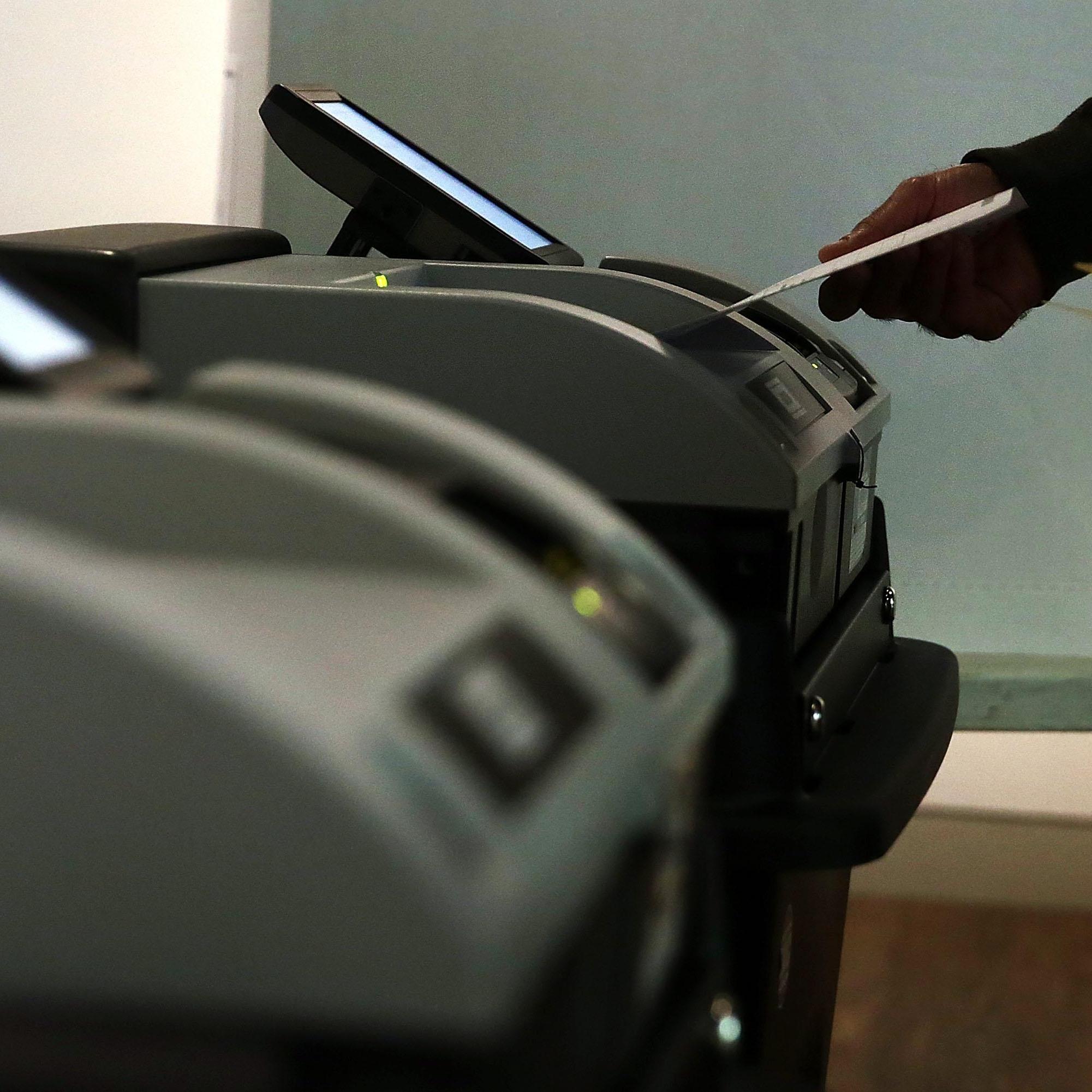
Once a recount is triggered or requested, what actually happens? An election officer supervises the entire process. This involves re-tabulating all the ballots cast in that specific race. This isn't just about running them through the machine again; officials also re-examine any ballots that were initially uncounted or set aside to ensure they were handled correctly according to state law. Representatives from the affected campaigns are allowed to be present to witness the recount, ensuring transparency. After the recount is complete, the board of canvassers convenes again to certify the new, official results. A candidate-requested recount must be completed within seven days of the request, keeping the process swift and decisive.
Special Rules for Small Elections
Utah law also accounts for very small, local elections where a percentage-based margin might not make sense. In a race where 400 or fewer total votes are cast, a one-vote difference is enough to allow the losing candidate to request a recount. This provision recognizes that in a tiny election, a single vote carries enormous weight and a one-vote margin is functionally just as significant as a 0.25% margin in a larger contest. The same rule applies to ballot propositions with 400 or fewer total votes; if the measure passes or fails by a single vote, ten voters can request a recount.