





The Canvass: The Official Count Begins
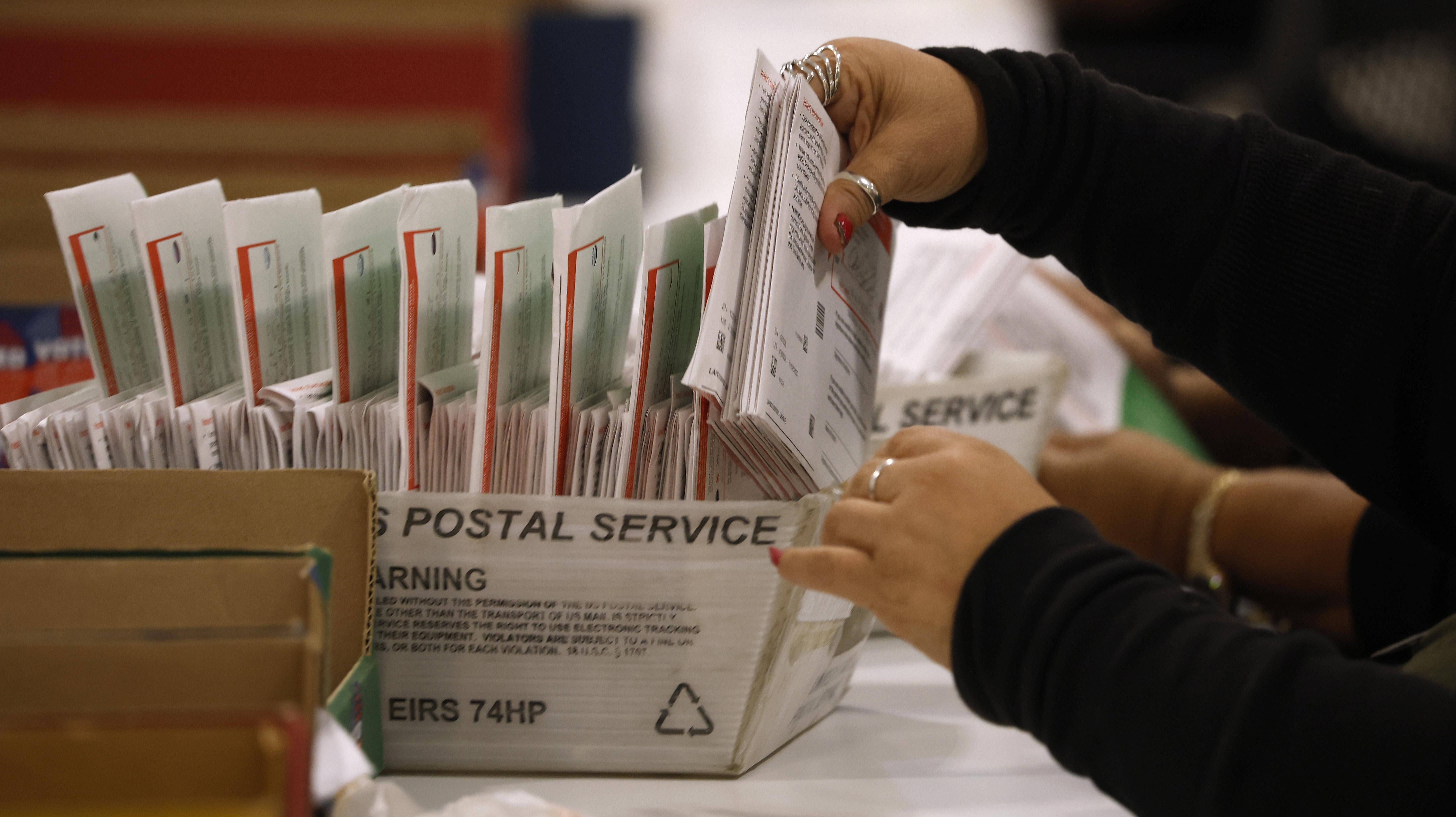
The first and most crucial step after Election Day is the canvass. This isn't a recount, but rather the formal, meticulous, and legally required process of counting every validly cast ballot. In Maryland, local boards of canvassers, which are the local boards of elections, are responsible for this task. The process is bipartisan, with members from both major political parties present to ensure transparency. They don't just tally the in-person votes cast on Election Day; the canvass is when they process the huge volume of mail-in ballots and provisional ballots. According to the Maryland State Board of Elections, local boards will meet on the second Wednesday after the election to begin the provisional ballot canvass. Mail-in ballot canvassing
can begin even earlier, starting on October 13, 2026, well before Election Day itself, to get a head start on the significant number of expected mail-in votes. These canvasses are public meetings, and the schedules are posted on local board of elections websites.
The 'Cure' Process: A Second Chance for Voters
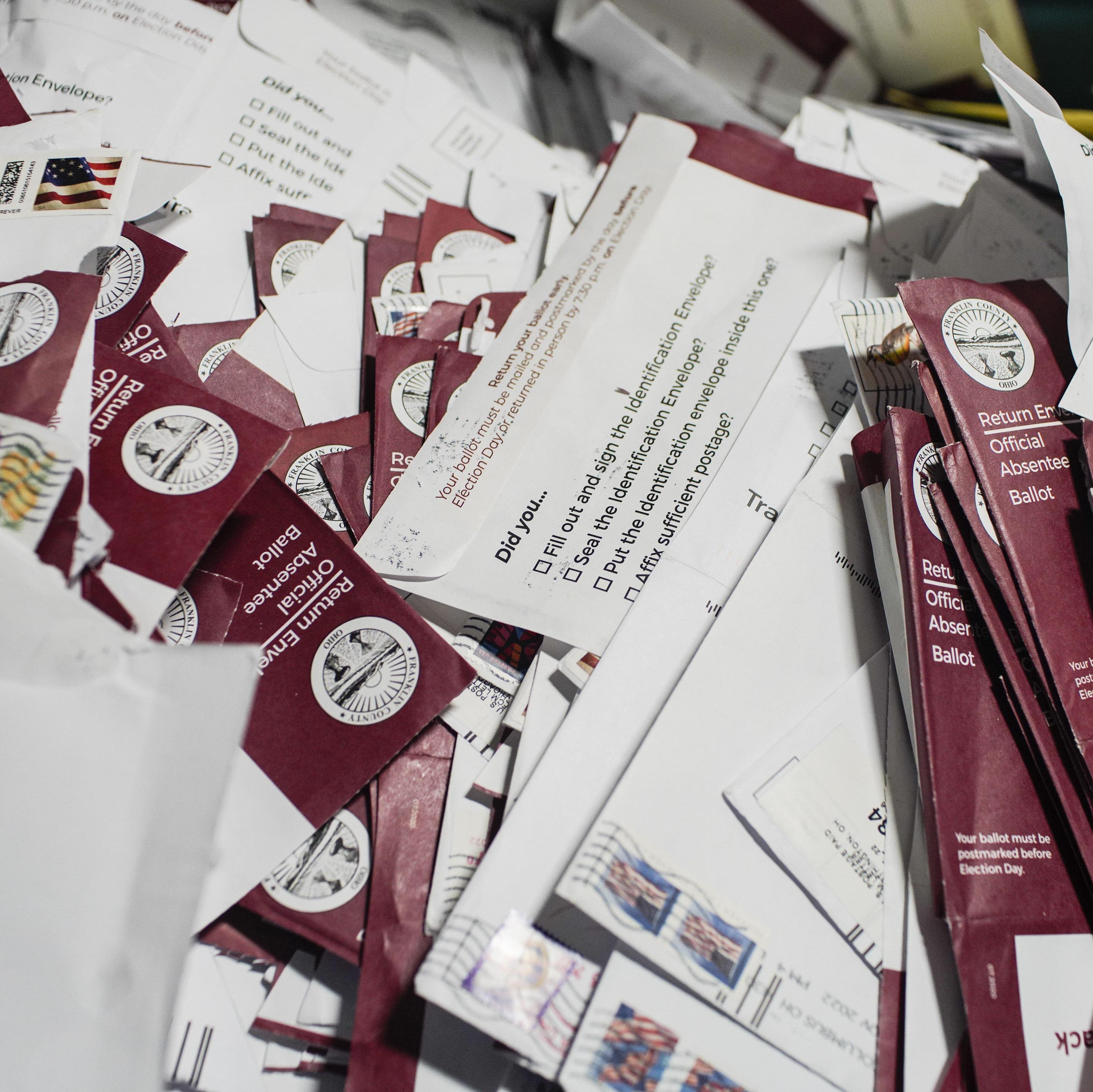
What happens if a voter forgets to sign the oath on their mail-in ballot envelope? In Maryland, that ballot isn't automatically discarded. Instead, it enters a process known as 'curing'. This is a critical democratic safeguard that gives voters a chance to fix correctable mistakes. If a signature is missing, the local board of elections is required to notify the voter by mail, email, or phone. That voter then has an opportunity to provide their signature and ensure their vote is counted. The deadline for a voter to 'cure' their ballot by providing a missing signature is 10 a.m. on the second Friday after Election Day. This process ensures that simple, honest mistakes do not disenfranchise eligible voters. Voters can track the status of their mail-in ballot on the State Board of Elections website to see if it has been accepted or if it requires curing.
Provisional Ballots: A Fail-Safe System
Provisional ballots act as a fail-safe for voters who encounter issues at the polls. For instance, if an election judge can't find a voter's name on the registration list, or if the voter moved without updating their address, they can cast a provisional ballot. These ballots are kept separate and are not counted on Election Day. During the canvass, election officials research each provisional voter to determine their eligibility. If the board confirms the voter is registered and eligible, their ballot is counted. This process for counting provisional ballots begins on the second Wednesday following the general election. It’s a methodical, research-intensive part of the canvass that guarantees every eligible voter has a voice, even if there was an administrative hiccup on Election Day.
Certification: Making the Results Official
After every mail-in ballot has been reviewed, every curable ballot has been fixed, and every provisional ballot has been researched and tallied, the final step is certification. This is the formal declaration that the election results are accurate and official. The canvassing process must be completed by the local boards before they can certify their local results. According to guidance from the National Conference of State Legislatures, Maryland counties must certify their results no later than the second week following Election Day. Once the local jurisdictions have certified their counts, the results are sent to the state. The state then conducts its own final review and officially certifies the statewide results. This multi-step process, from local canvass to state certification, is what transforms the preliminary numbers of election night into the final, binding outcome of the election.