



The Short Answer: Yes, With Conditions
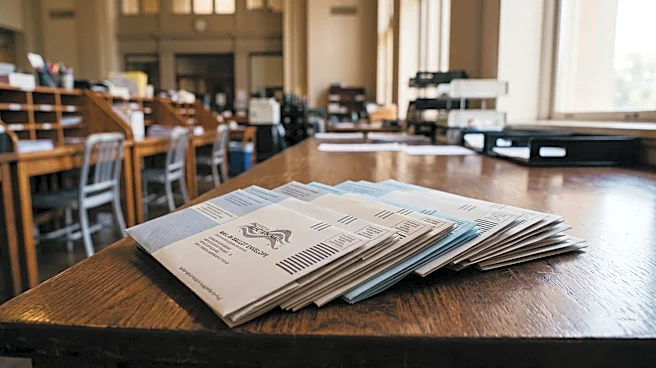
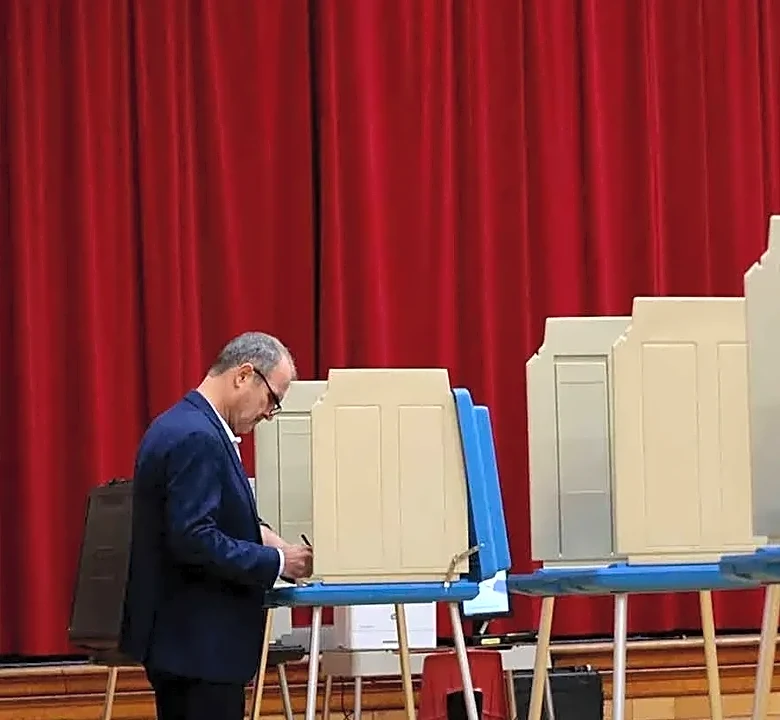
The simple answer is yes, California does count ballots that arrive after Election Day, but they must meet strict criteria. For a vote-by-mail ballot to be valid, it must be postmarked on or before Election Day. It must also be received by the county elections office no later than seven days after the election. This 'grace period' isn't an extension for voting; it’s a buffer to ensure that ballots mailed in good faith on or before the deadline aren't disenfranchised due to mail service delays. Ballots dropped off in person at a drop box, vote center, or county elections office must be submitted by 8 p.m. on Election Day.
The Postmark is Paramount
The postmark is the crucial piece of evidence. It proves the voter cast their ballot by the legal deadline. If a ballot arrives
during the seven-day window but has a postmark dated after Election Day, it will be rejected. Likewise, if it arrives after the seven-day window, it won't be counted, regardless of the postmark date. This system is designed to protect access for voters who follow the rules while maintaining a clear and finite endpoint for receiving votes. Voters concerned about getting a timely postmark are sometimes advised to mail their ballot several days in advance or walk it into a post office on Election Day to ensure it gets a hand-stamped postmark.
Why This Grace Period Exists
California’s policy is a direct attempt to maximize voter participation and prevent disenfranchisement. State officials argue that voters should not be penalized for mail delays that are outside of their control. Since every active, registered voter in California is automatically sent a mail-in ballot, this provision affects millions of people. The rule accommodates everyone from rural residents with less frequent mail service to military and overseas voters. The state's position was bolstered by a 2026 U.S. Supreme Court decision that allowed states to maintain these types of ballot receipt deadlines. Supporters see it as a fundamental safeguard for democracy, ensuring that every valid vote cast on time has a chance to be counted.
How This Affects Election Night Results
This rule is a primary reason why final election results in California can take days or even weeks to certify. The initial results released on election night only include in-person votes and mail-in ballots that were received and processed before Election Day. In the days that follow, elections officials undertake a painstaking process called the official canvass. During this period, which can last up to 30 days, they process and count hundreds of thousands, sometimes millions, of remaining ballots. This includes not just the late-arriving mail-in ballots, but also provisional ballots and those that require signature verification. If a voter forgets to sign their ballot envelope or the signature doesn't match the one on file, officials are required by law to contact the voter to 'cure' the issue. This meticulous, security-focused process ensures accuracy but means the final tally is rarely known right away.
What Every Voter Should Know
For California voters, the system is designed for convenience and access, but understanding the timeline is key. The best practice is to vote and return your ballot early. You can mail it back (no postage required), drop it in an official drop box, or return it to any vote center in your county. California offers a 'Where's My Ballot?' tracking service that allows voters to follow their ballot from the moment it's mailed to them to when it's received and counted, providing transparency and peace of mind. By mailing your ballot at least a week before Election Day or using a drop box, you can ensure your vote is part of the initial counts and avoid any concerns about postmarks or postal delays.