

Yes, Observers Are Permitted
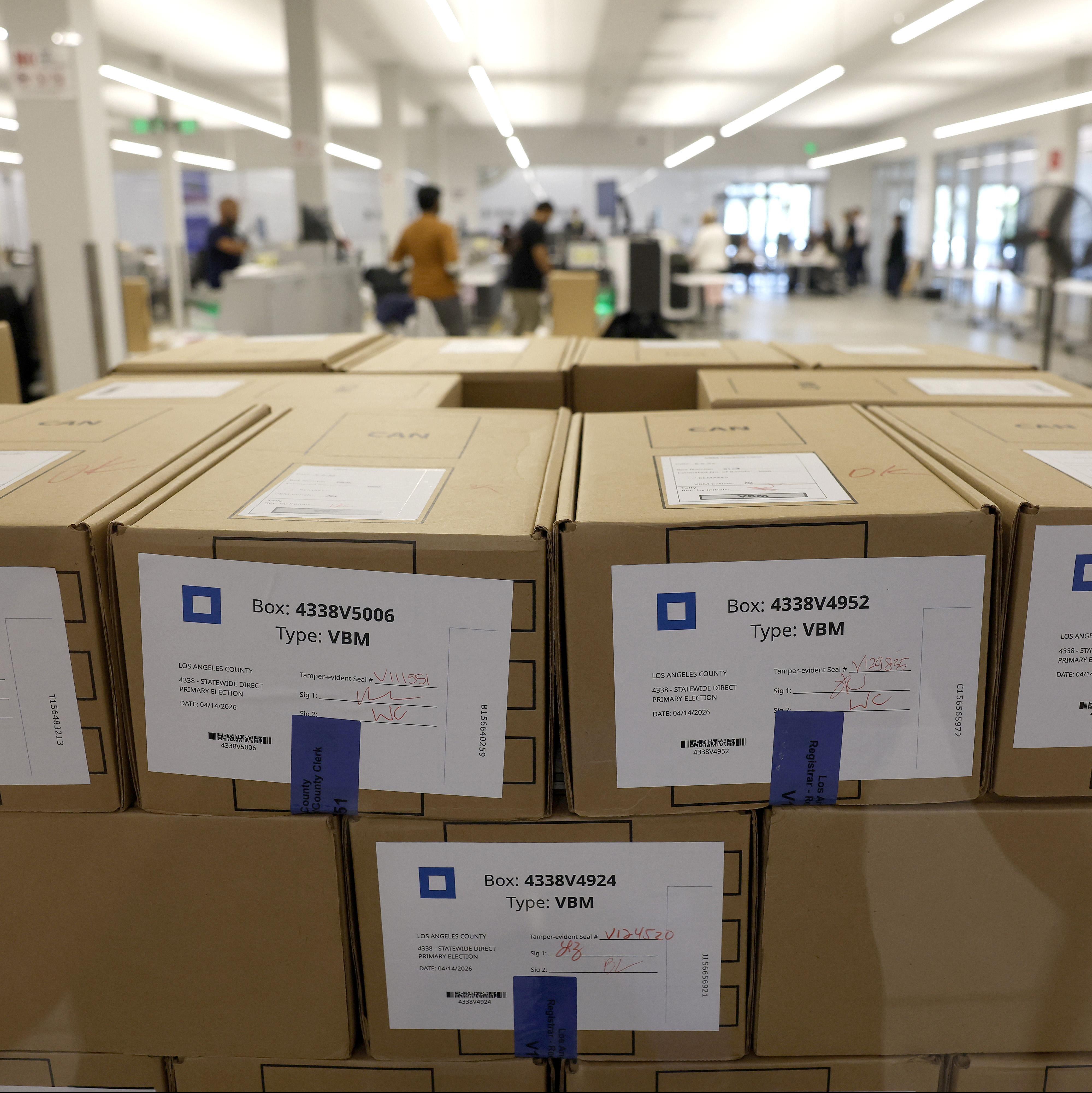
To answer the question directly: Yes, Montana state law explicitly allows for observers to be present not only at polling places on Election Day but also at the locations where ballots are processed and counted. This practice is not just permitted; it is considered a fundamental component of maintaining a transparent and trustworthy election system. The core idea is that allowing designated individuals to watch the process helps build public confidence that everything is being handled correctly, from the first ballot cast to the final tally. According to guidance from the Montana Secretary of State, observers serve an important function in the state's democratic process by providing oversight.
Who Qualifies to Be an Observer?
The privilege of observing is not extended to just
anyone who walks in off the street. The law is specific about who qualifies. Primarily, political parties are entitled to appoint observers. Montana law also grants this right to candidates themselves, as well as organized groups advocating for or against a specific ballot issue. This ensures that the stakeholders with a direct interest in the election's outcome have a chance to monitor the proceedings. All official observers are required to wear an identification tag that clearly states their name and the party or group they represent, preventing any confusion about who is in the room and in what capacity they are serving.
What Observers Can and Cannot Do
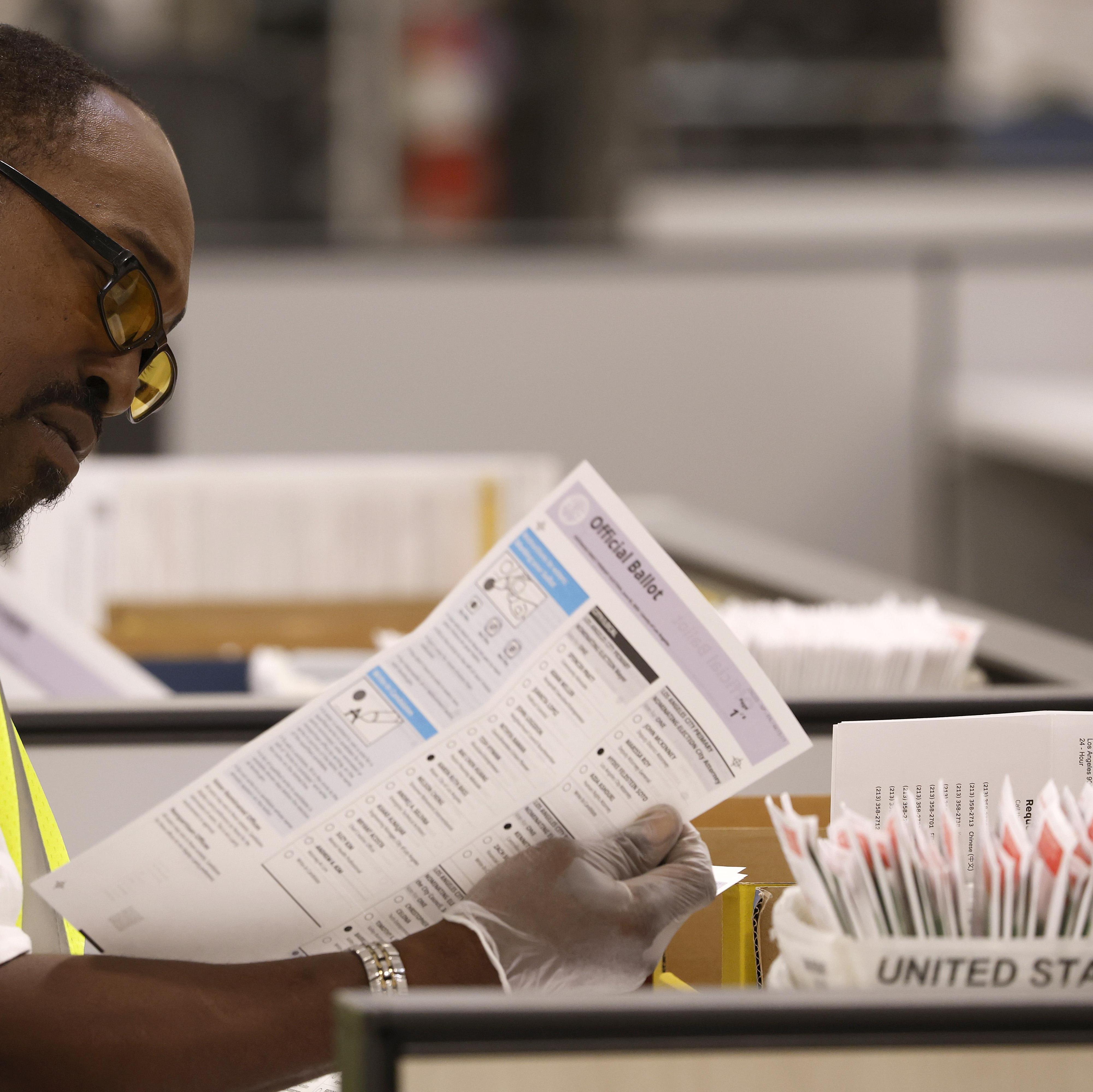
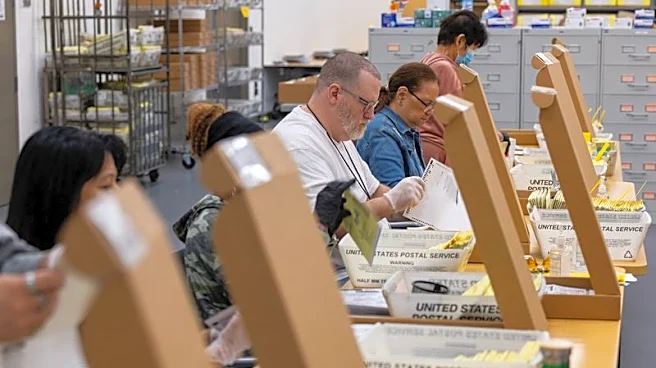
The role of an observer is one of watching, not participating. The rules create a clear boundary between observation and interference. Observers are legally entitled to be positioned in a way that allows them to reasonably see and hear the proceedings. This includes watching poll workers as they process mail-in ballots, verify signatures, and tabulate votes. They can take notes and, if they believe a rule is being violated, they can lodge a formal challenge with an election judge or administrator. However, their limitations are just as important. An observer cannot touch ballots or any election equipment. They are forbidden from looking over a worker's shoulder to see how a ballot is marked, speaking to election workers while they are counting, or doing anything that could be construed as interfering with the process or intimidating voters.
The Importance of a Balancing Act
Montana's regulations, like those in many other states, represent a carefully considered balancing act. On one side, there is the need for public transparency. When the process is open to scrutiny from competing parties and interests, it reduces suspicion and builds faith in the legitimacy of the results. It allows campaigns to verify that procedures are being followed uniformly and fairly. On the other side is the absolute necessity of maintaining a secure, orderly, and efficient election. Allowing untrained or partisan individuals to interfere with the count would invite chaos and compromise the integrity it's meant to protect. The rules are therefore designed to let observers see everything they need to see to confirm the process is fair, without giving them the power to disrupt it. This ensures that the final count is not only accurate but is also widely accepted as such.