




Who Can Trigger a Recount?
Unlike some states, Texas does not have widespread automatic recounts for close races; the only time a recount is automatically triggered is in the rare event of a perfect tie. For all other situations, someone has to formally petition for it. In a race for political office, only a candidate can file a recount petition. For a ballot measure or proposition, the request can be made by the campaign treasurer of a political committee involved in the election or by a group of at least 25 registered voters from the jurisdiction acting together. It's important to note that the governing body overseeing the election cannot decide to conduct a recount on its own motion. The process must be initiated by an eligible petitioner.
The Grounds and the Tight Timeline
A candidate doesn't need
an exceptionally close margin to ask for a recount, but there are qualifying conditions. Generally, a candidate can request a recount if the difference in votes between them and the winning candidate is less than 10% of the winner's vote total. A recount can also be requested if the total votes for all candidates in a race are under 1,000. Interestingly, if an electronic voting system was used, no specific grounds are needed to file a petition. The timeline is incredibly tight. A petition must be filed very shortly after the official canvass (the formal review and certification of votes). The deadline is typically 5:00 p.m. on the third business day after the canvass is completed, making swift action essential.
Paying the Price for a Second Look
A recount is not free. The person or group petitioning for it must put down a deposit to cover the costs. The fee is calculated based on the number of precincts being recounted: $60 for each precinct that used paper ballots and $100 for each precinct that used an electronic voting system. Early voting ballots are treated as a single, additional precinct when calculating the total deposit. This can add up to a substantial amount of money that must be paid upfront. However, there's a crucial catch: if the recount changes the outcome of the election—meaning the winner changes—the petitioner gets their entire deposit back. If the outcome remains the same, the costs of the recount are deducted from the deposit, and any leftover amount is returned.
How the Recount Unfolds
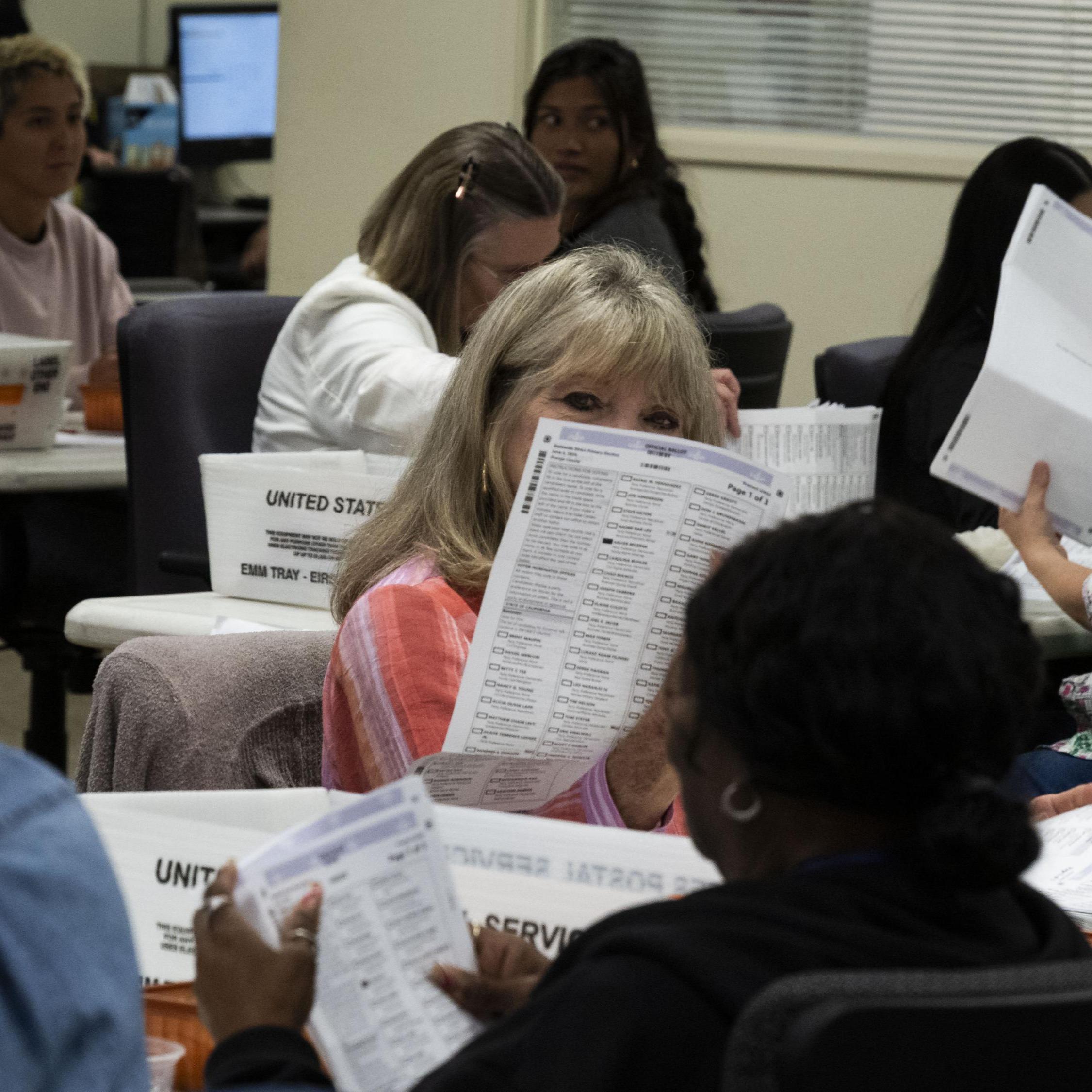
Once a petition is approved and the deposit is paid, a 'recount supervisor'—usually the presiding officer of the canvassing authority, like the county judge or mayor—schedules the event. They appoint a recount committee of at least four qualified voters to conduct the actual counting. The petitioner can specify whether they want a manual hand count or an electronic retabulation. Both the petitioner and the opposing candidates are entitled to be present and to have watchers observe the process. These watchers can challenge ballots, and the recount committee chair makes the final determination on how to count them. The entire process is methodical, conducted precinct by precinct under strict supervision, and is designed to be a transparent re-tabulation of votes, not an investigation into fraud or voter qualification.