


The First Count: County Canvassing
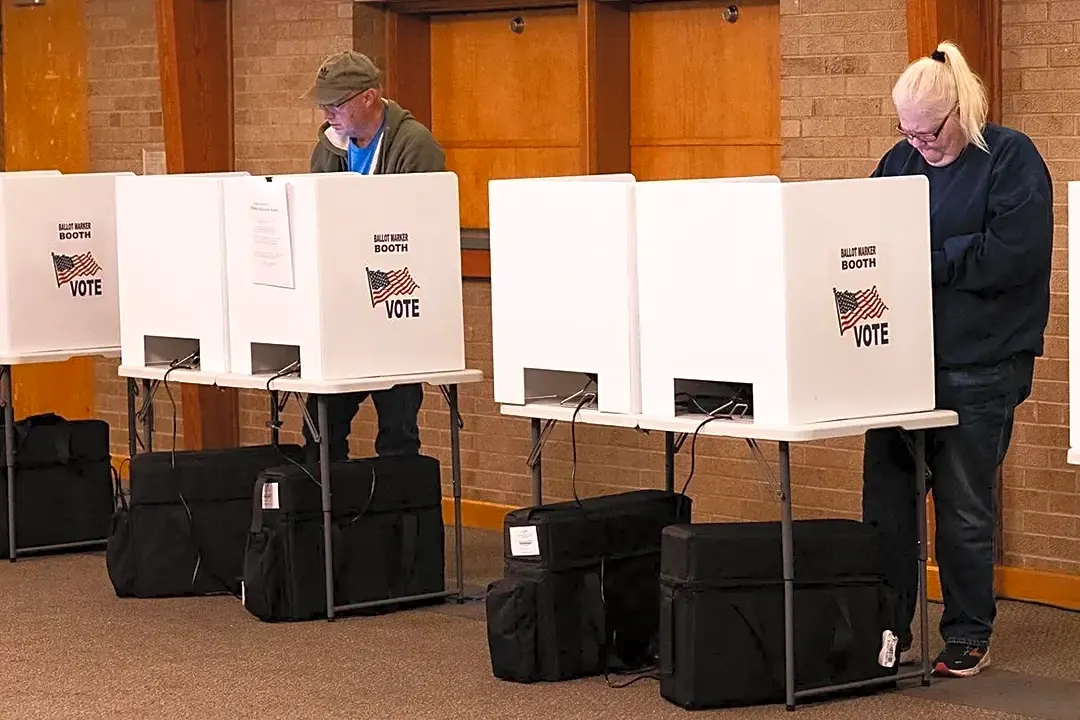
The first official step after Election Day is the county canvass. In North Dakota, each of the 53 counties has a canvassing board, which is required to meet 13 days after the election. For 2026, this meeting will take place on Monday, November 16. This board is a bipartisan group typically composed of the county auditor, the county recorder, the chair of the county commission, and representatives from the major political parties. Their job is not to recount votes, but to review and verify the vote totals reported by every precinct in the county. They ensure that the number of ballots recorded matches the number of voters who signed in at the polls, and they officially accept the results into the county's record. This is a foundational layer
of verification that confirms the initial, unofficial results reported on election night.
An Opportunity to Fix It: The 'Cure' Process
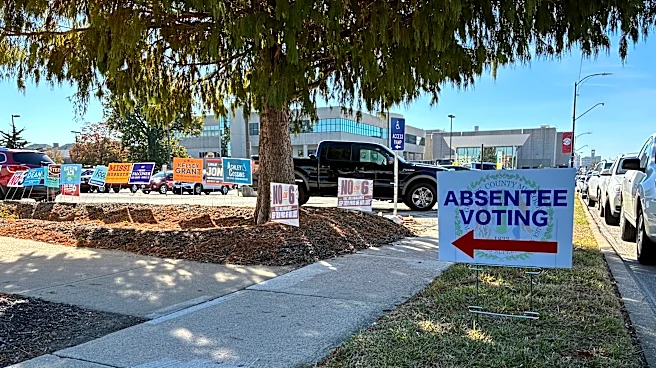
Sometimes, an absentee or mail-in ballot is returned with a technical error, most commonly a missing signature on the return envelope. North Dakota law provides a window for voters to 'cure' or fix such mistakes so their vote can be counted. If election officials find a missing or mismatched signature on your ballot, they are required to notify you. Voters have until the day the County Canvassing Board meets—November 16, 2026—to provide the necessary correction. This is a critical deadline for voters who are contacted about an issue with their ballot. Similarly, if a voter had to cast a 'set-aside' or provisional ballot at the polls because of an ID issue, they have until this same date to present a valid ID to their county auditor. This cure process is a vital safeguard that prevents eligible voters from being disenfranchised due to simple, correctable errors.
Making It Official: The State Canvassing Board
Once all 53 counties have canvassed and certified their local results, they send their final abstracts to the North Dakota Secretary of State. The next and final step is the meeting of the State Canvassing Board. By law, this board must convene no later than 17 days after the election. Its members include the Secretary of State, the Clerk of the Supreme Court, the State Treasurer, and the chairs (or their representatives) of the state's recognized political parties. This board's sole function is to review the certified results from all the counties and formally certify the final vote totals for all statewide and legislative offices. Once the state board signs off, the election results are official, barring any legal challenges or recounts.
Key Deadlines for the 2026 General Election
To keep it simple, here are the most important dates in North Dakota's post-election timeline: Election Day: Tuesday, November 3, 2026. All polls close and the unofficial count begins. Ballot 'Cure' and Provisional ID Deadline: Monday, November 16, 2026. This is the last day for voters to fix signature issues on mail-in ballots or provide ID for set-aside ballots. County Canvassing Board Meeting: Monday, November 16, 2026. Each county's board meets to officially certify its local election results. State Canvassing Board Meeting: No later than Friday, November 20, 2026. The state board meets to give the final, official certification to the election results for statewide and legislative offices.