



First Up: The County Canvass
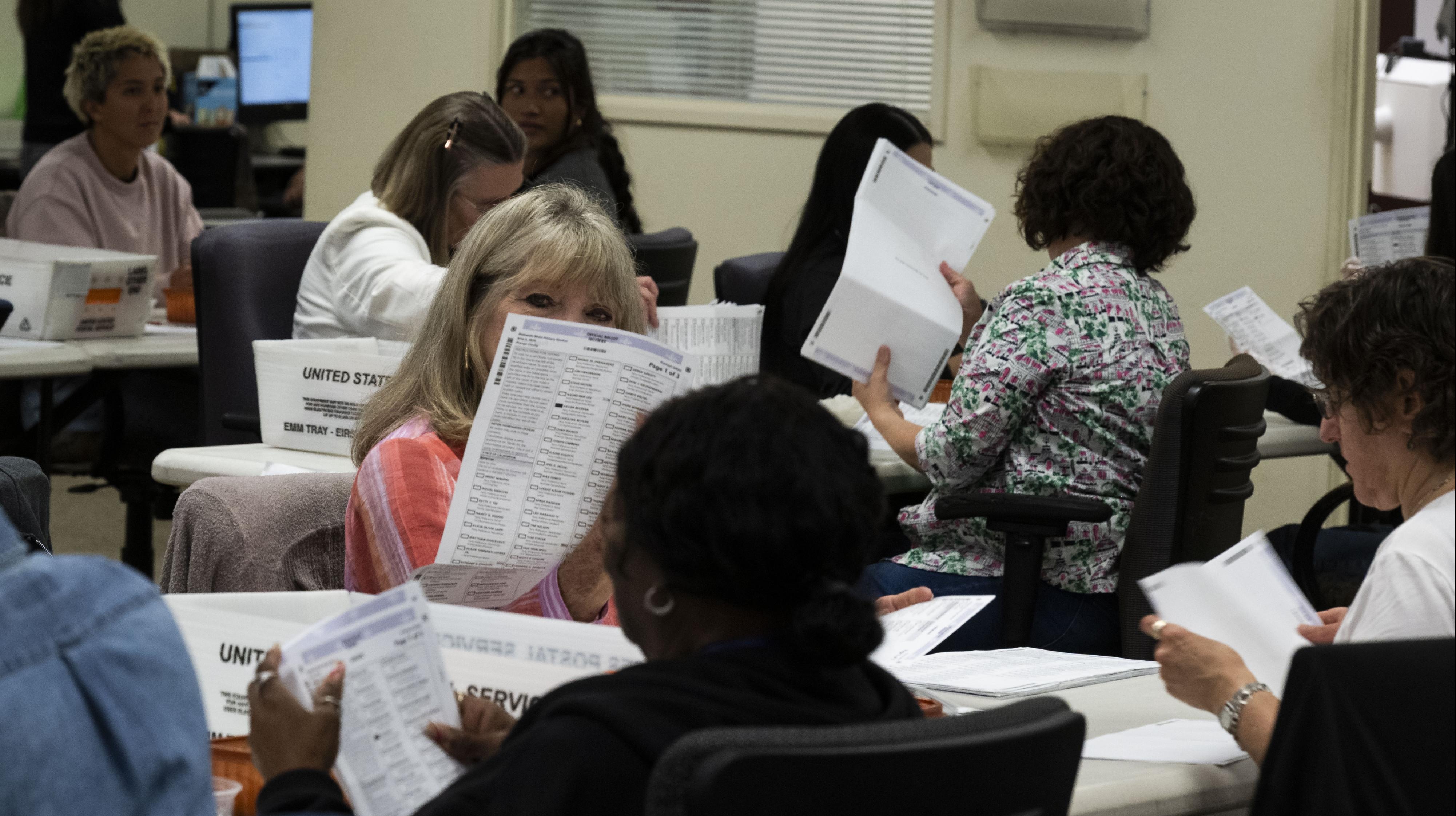
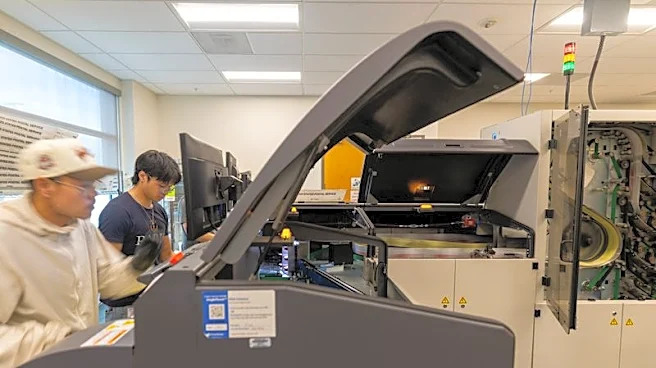
The first major step after Election Day is the county canvass. Think of it as an official, public review of the initial count. Election officials in each of Montana's 56 counties come together to reconcile the numbers. They compare the number of voters who signed in at polling places with the number of ballots cast, and they process valid absentee and provisional ballots. According to state law, this process must be completed within 14 days after the election. It's a transparent procedure designed to catch and correct any discrepancies at the local level, ensuring the foundational count is solid before the results move up the chain. The county canvass board then officially declares the winners for local county offices and the results of any county-specific
ballot issues.
A Second Chance: The Ballot 'Cure' Process
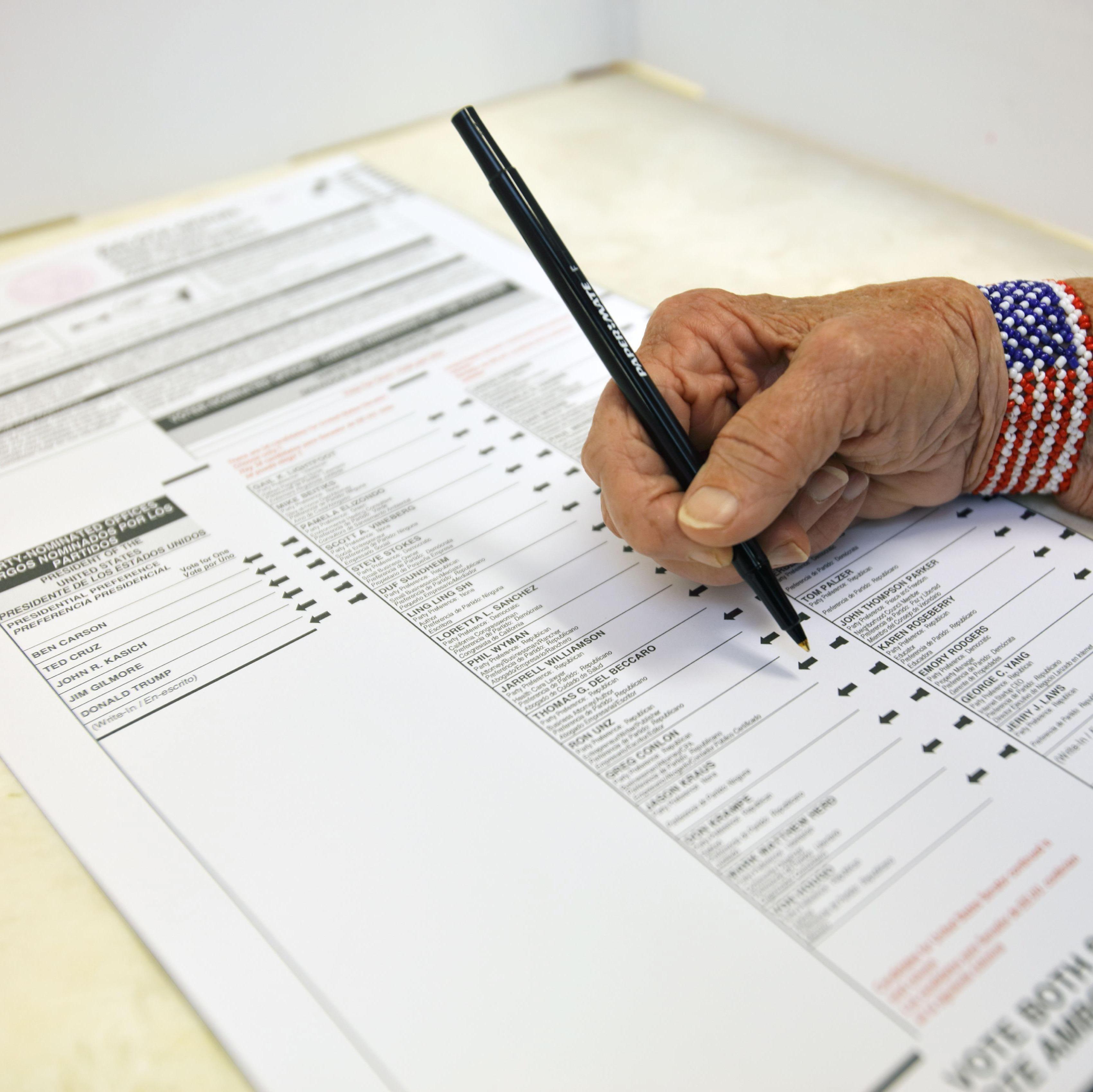
Sometimes, a mail-in ballot is returned with a technical error, like a missing signature or a birth year that doesn't match the registration file. Instead of simply being rejected, Montana law provides voters with an opportunity to 'cure' or fix the issue. Election administrators are required to notify the voter of the problem as quickly as possible by the most expedient method available. Voters can then confirm their identity and fix the mistake by mail, fax, electronically, or in person. This crucial safeguard ensures that eligible voters aren't disenfranchised due to a simple oversight. However, the timeline is tight. While the law allows voters to cure issues until 8 p.m. on Election Day, it's a process that demands swift action from both election officials and voters to ensure a valid ballot gets counted.
Making it Official: State Canvass and Certification
Once all counties have completed their canvasses and sent their official results to the Secretary of State, the final step begins: the state canvass. A board of state officials—comprised of the state auditor, superintendent of public instruction, and attorney general—convenes to review the abstracts from all counties. This meeting is scheduled to happen within 27 days of the election. The state board totals the results for statewide and federal offices and statewide ballot measures. Once they have completed their review and compiled the final statewide tally, they issue a statement officially certifying the election results. This certification is the final, authoritative declaration of who won and what passed, transforming the unofficial numbers into the definitive outcome of the election.
Why This Timeline Matters for Trust
The post-election period can feel long and, at times, confusing, especially in a close race. However, this structured calendar is not a sign of problems; it is the sign of a system working as intended. The deliberate pace is built to favor accuracy over speed. Each step—from the county-level checks to the opportunity to cure ballot errors and the final state-level review—is a critical layer of verification. It provides transparency and builds public confidence that the final results are not just fast, but correct. By understanding these procedures, voters can have greater faith in the integrity of the outcome, knowing that a thorough and fair process has been followed from the moment their ballot was cast to the moment the results were certified.