





The Automatic Trigger: The Half-Percent Rule
Contrary to what many believe, Kentucky does have a provision for automatic recounts, but it's very specific. A recount is required by law only when a candidate is defeated by a margin of one-half of one percent (0.5%) or less of the total votes cast for that office. This rule, however, doesn't apply to every race on the ballot. It is specifically for major state and federal offices, including Governor and Lieutenant Governor, U.S. Senate, U.S. House of Representatives, members of the state's General Assembly, and other statewide constitutional officers like the Attorney General and Secretary of State. If the final, certified vote margin falls within this razor-thin window for one of these specified offices, the state automatically initiates
and pays for a full recount.
The First Step: Understanding the 'Recanvass'
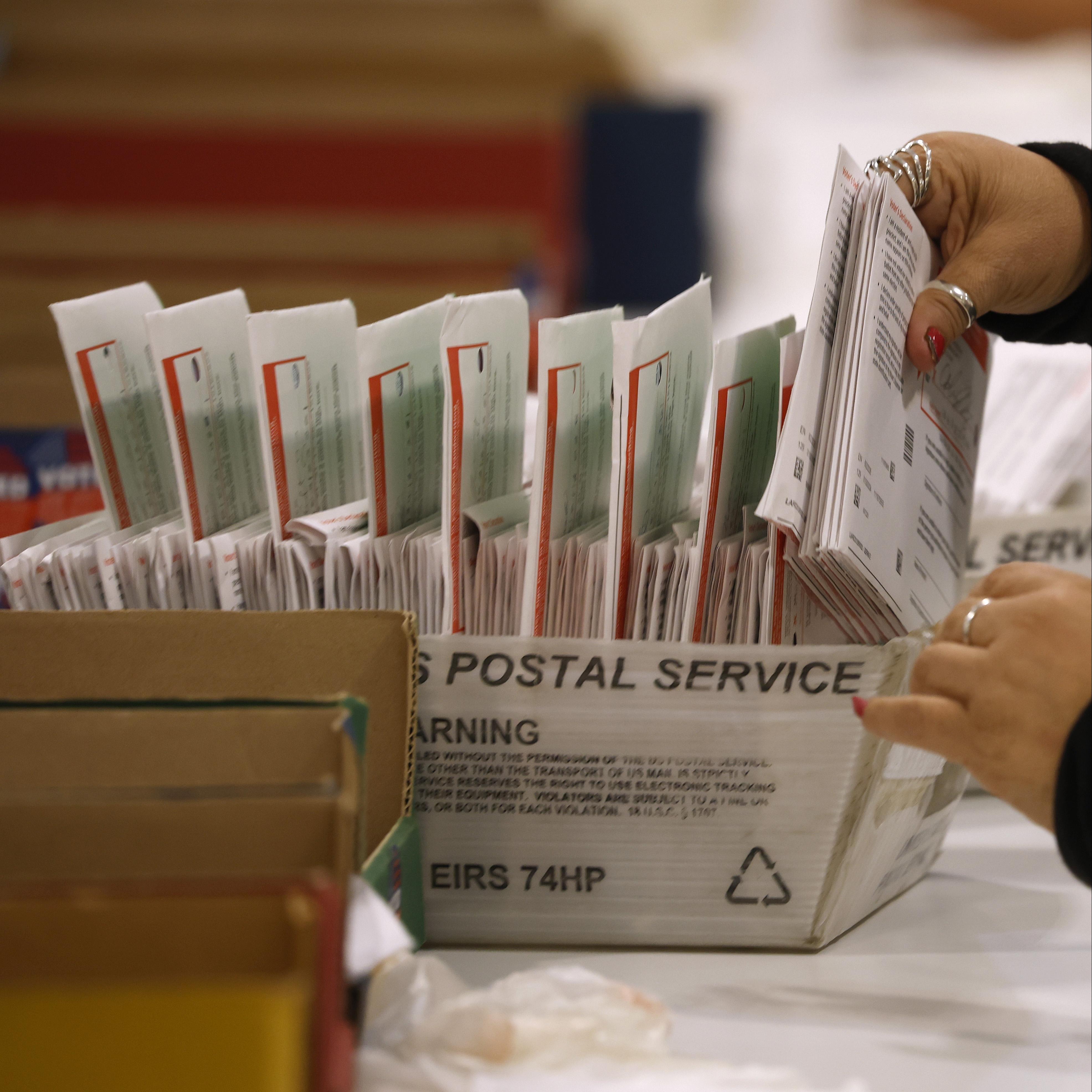
Before anyone even gets to a full recount, there's another important, and much simpler, procedure called a 'recanvass'. This is often the first step a campaign takes after a close election. A candidate can request a recanvass by submitting a written request to the Secretary of State shortly after the election. A recanvass is not a recount of every single ballot. Instead, it's a review of the vote totals to ensure they were added up and reported correctly. County election boards re-check the printouts from the voting machines and verify absentee ballot totals to make sure the numbers sent to the state were accurate. It’s a check of the math, not the votes themselves. This process is quick, relatively inexpensive, and can sometimes resolve discrepancies without the need for a more intensive recount.
Requesting a Full Recount
What if the margin is close, but not within the 0.5% automatic trigger? In that case, the onus is on the candidate to formally request a recount. Any candidate in a primary election can petition a court for a recount within ten days of the primary. For general elections, the rules are slightly different, and requests for some offices, like governor and state legislature, are handled through a separate 'election contest' process. When a candidate requests a recount, it isn't free. The candidate who files the petition must execute a bond to cover the costs of the entire proceeding, an amount that is set by a circuit judge. This judicial process involves transferring all ballots, voting machine records, and other election papers to the court for a formal retabulation.
Recanvass vs. Recount: What's the Real Difference?
The distinction between a recanvass and a recount is crucial. Think of a recanvass as asking a cashier to double-check their register tape. A recount is like manually emptying the entire cash drawer and counting every coin and bill by hand. A recanvass is an administrative check of totals that have already been recorded. A recount is a more formal, elaborate judicial proceeding where each ballot may be re-examined and re-tallied under the supervision of a judge. Because of this, a recanvass rarely changes vote totals significantly, while a full recount has a greater potential, however small, to alter an election's outcome. Candidates, their representatives, and members of the media are generally permitted to observe both processes to ensure transparency.