

The Rules of the Road
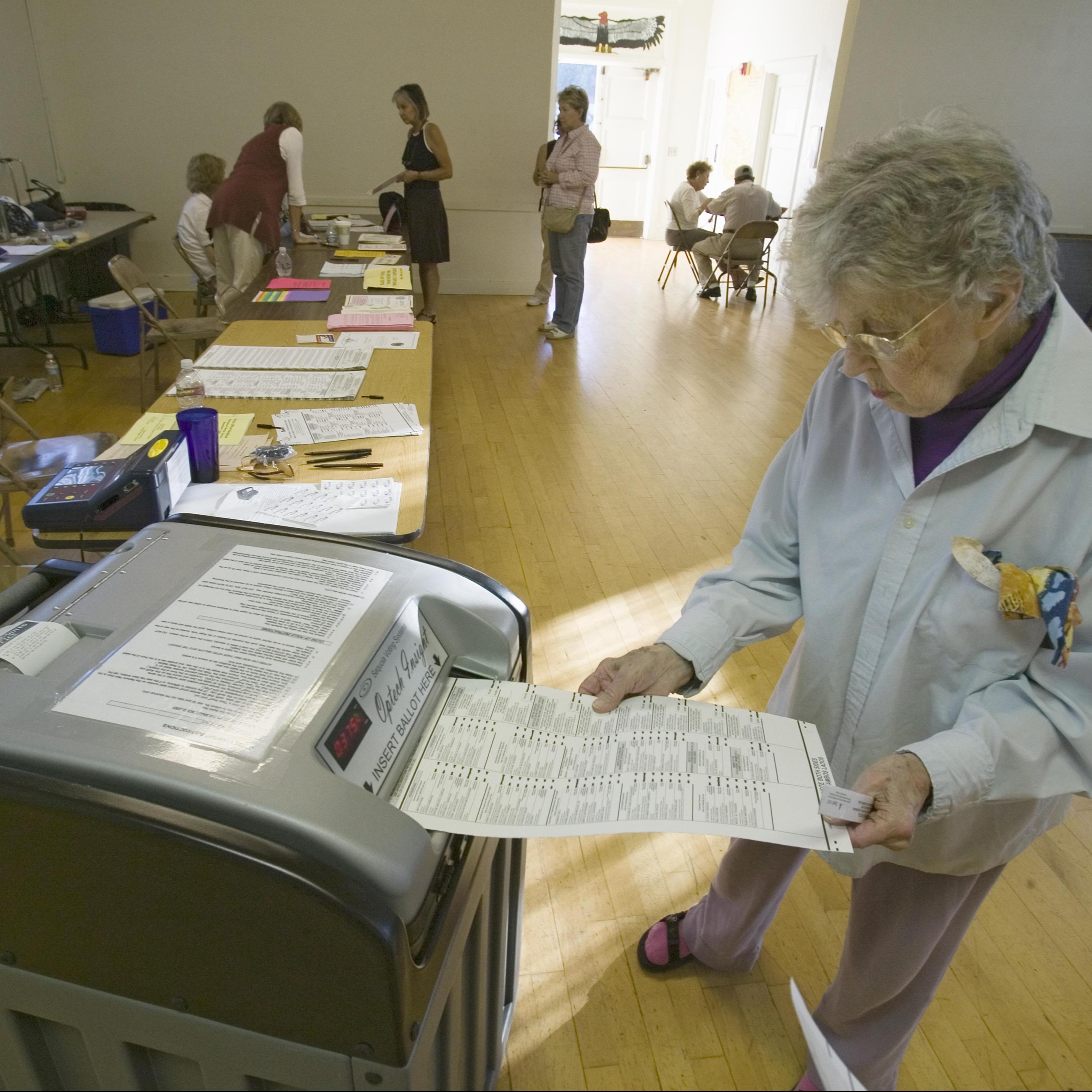
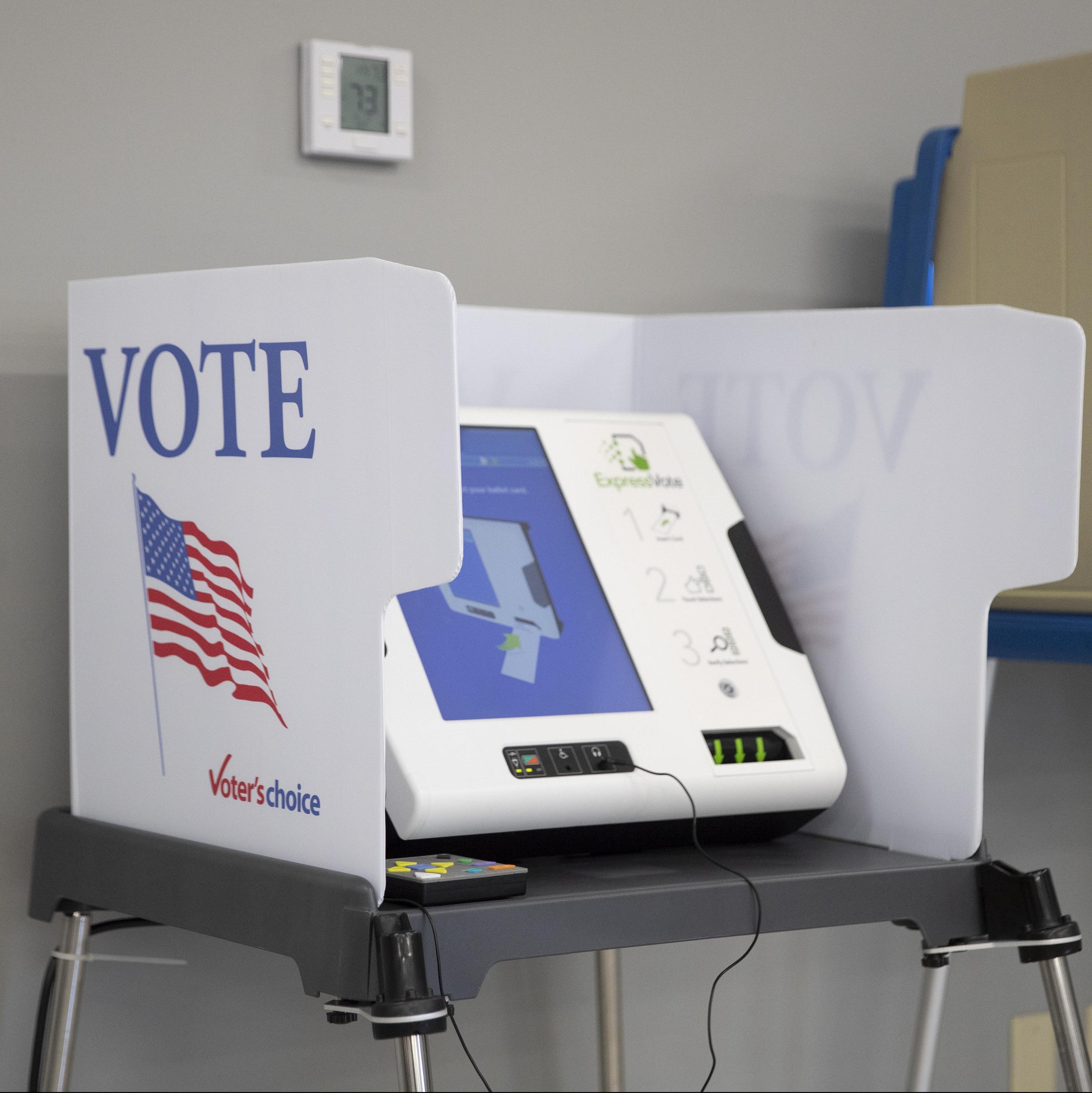
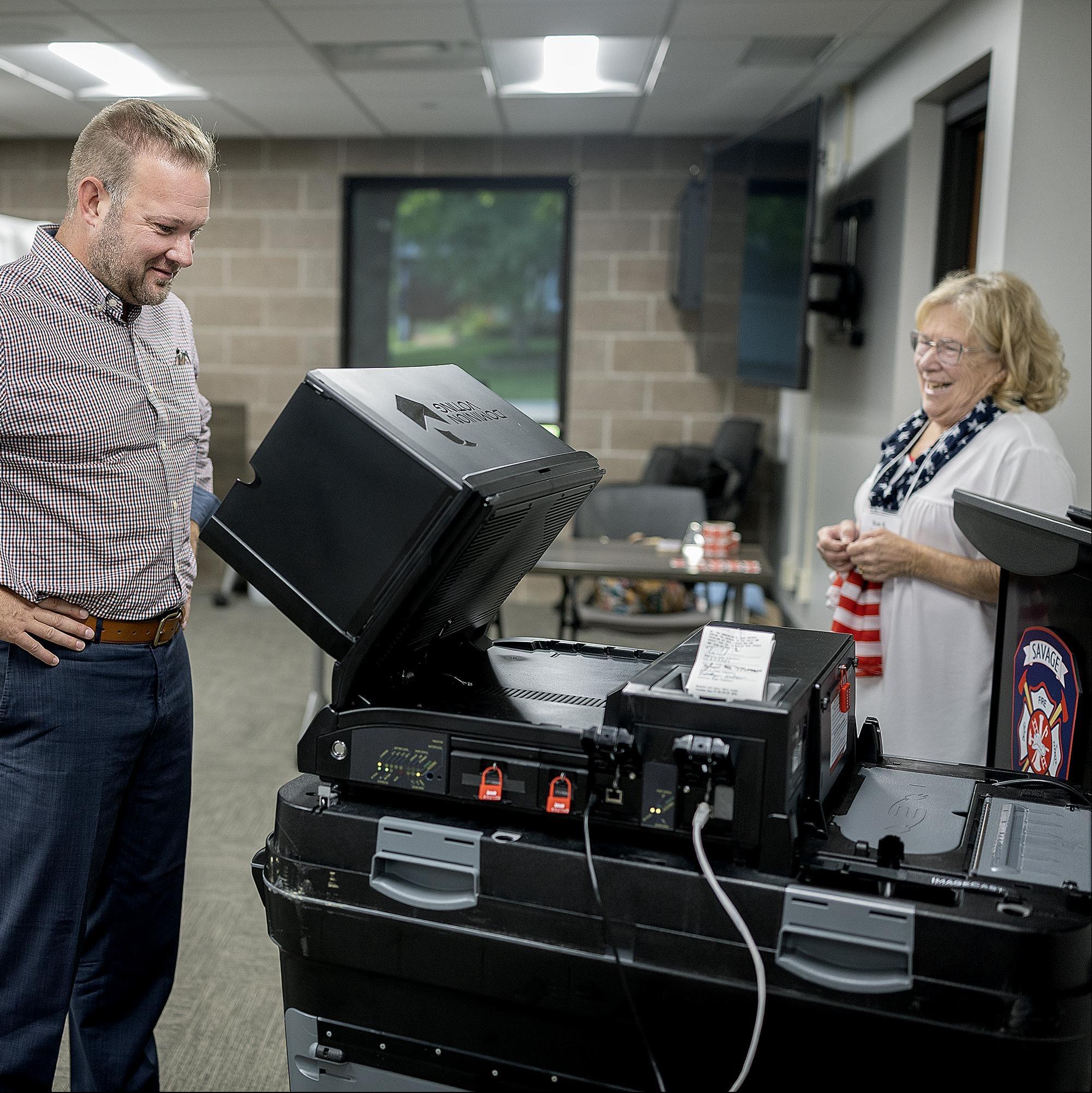
Arkansas law explicitly permits observers, officially called 'poll watchers', to be present during voting and the subsequent count. The system is designed to provide uniform and nondiscriminatory access to all stages of the election process. This includes not just the counting of ballots on election night, but also logic and accuracy testing of voting machines beforehand, the processing of absentee ballots, and any potential recounts or audits. While certain aspects, like the counting of paper and absentee ballots, are open to the public, observation inside polling places is generally reserved for officially designated poll watchers. The goal is to foster public confidence by allowing designated individuals to see the process firsthand, ensuring
it's conducted according to law.
Who Gets a Sideline Pass?
Not just anyone can walk in and declare themselves a poll watcher. In Arkansas, this role is formally designated. Those eligible to appoint watchers include candidates, political parties, and groups advocating for or against a ballot measure. Candidates themselves can act as their own poll watcher during the counting and tabulation process, as well as during the processing of absentee ballots. However, a candidate cannot serve as a designated poll watcher at a polling location on Election Day itself, though they may observe during early voting. Each appointed poll watcher must be a qualified elector in Arkansas, though not necessarily from the precinct they are observing. Critically, all designated poll watchers are required to complete a training course administered by the State Board of Election Commissioners to ensure they understand their rights and responsibilities.
What Observers Can (and Can't) Do
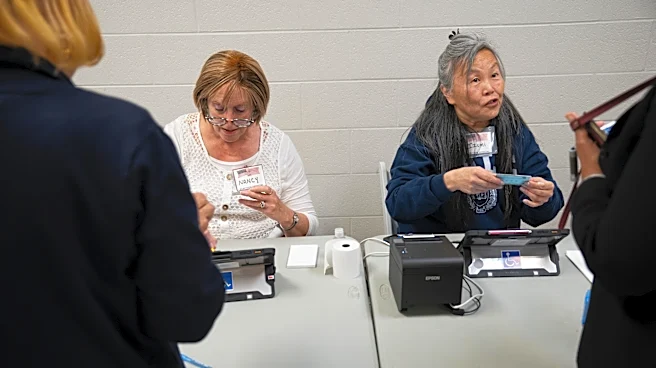
An authorized poll watcher's primary role is to observe. They are allowed to be close enough to election officials to hear a voter's name as they check in and to watch the general operations of the polling site or counting center. They can bring their own voter lists and, importantly, can challenge a voter's eligibility or an absentee ballot if they have a valid reason, initiating a formal review process. If a poll watcher requests to see a ballot during the count, an election official must hold it up for them to view, though the watcher cannot touch or handle the ballot. There are strict prohibitions: watchers cannot interfere with election officials, speak to or attempt to influence voters, or get within six feet of a voting booth. They are also forbidden from wearing campaign materials or disrupting the orderly conduct of the election in any way.
The Fine Line Between Watching and Interfering
The rules for poll watchers in Arkansas are designed to strike a careful balance. The state wants to ensure transparency, which builds trust in the results. Allowing authorized representatives from different political interests to observe the mechanics of the election serves this purpose. At the same time, the regulations are written to prevent these observation rights from being used to intimidate voters or disrupt the process. For instance, county election commissioners designate specific observation areas that are typically between three and six feet from check-in tables. This proximity allows for meaningful observation without enabling interference. Any poll watcher who violates the rules can be expelled from the location for the remainder of the election. This structured approach aims to protect both the integrity of the vote and the rights of every citizen to cast their ballot privately and without harassment.