


What Exactly Is a Canvass?
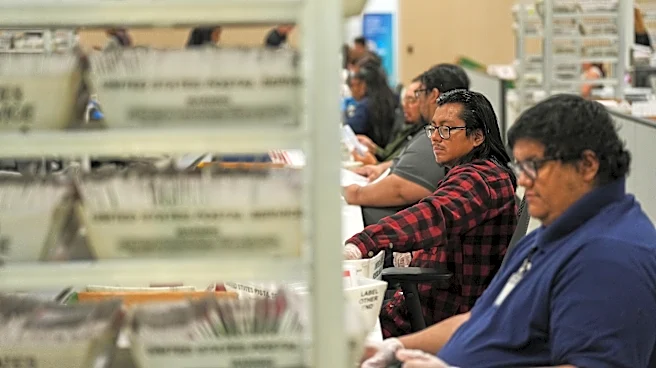
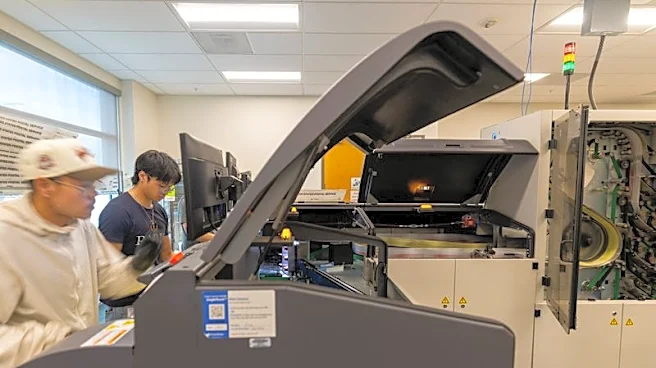
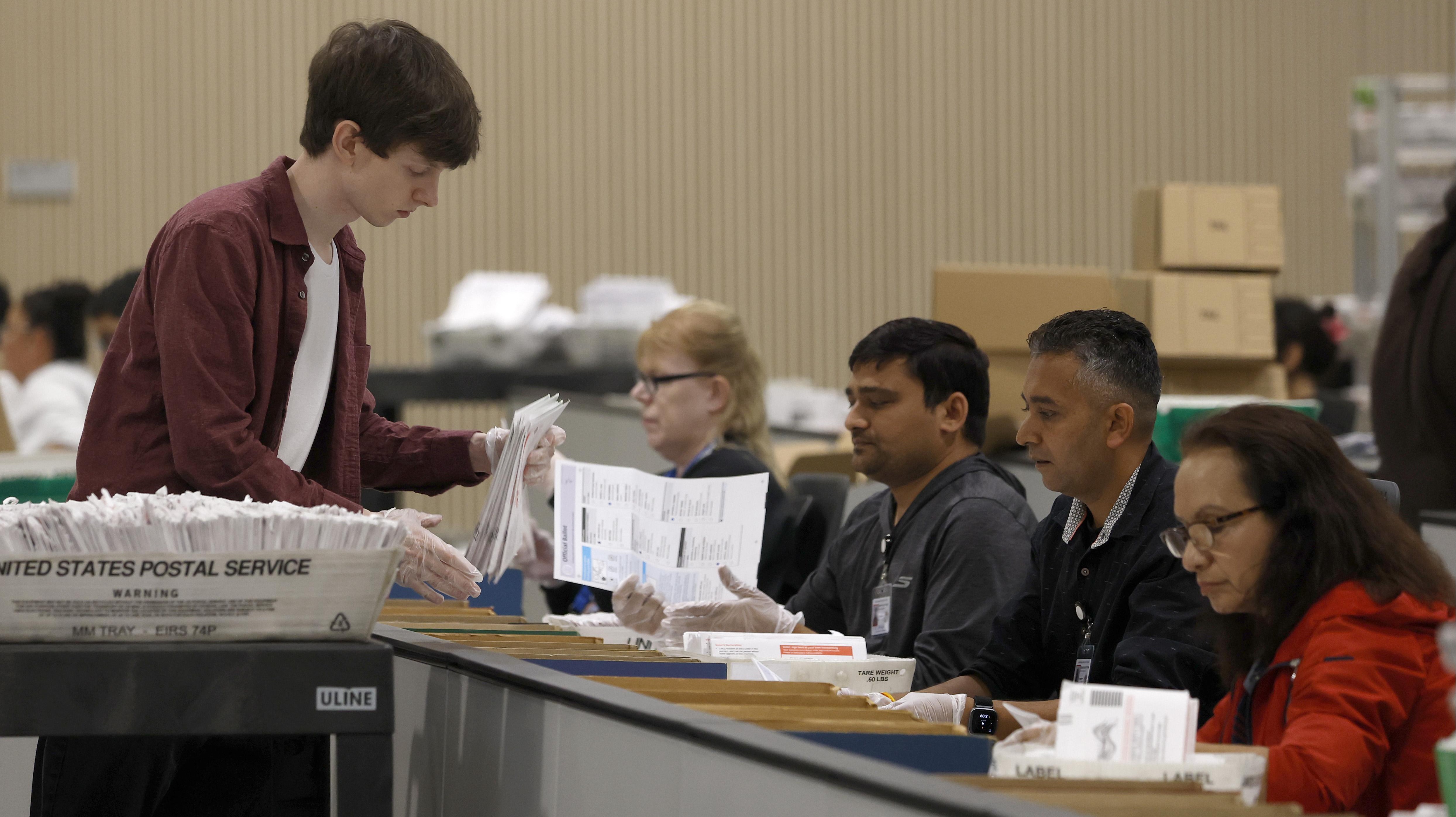
Before we get into timelines, let's clarify what a 'canvass' is. Think of it as a formal audit of an election. It’s the process where election officials verify that every valid vote has been counted accurately. This isn't a recount, which happens only if a race is extremely close or requested. The canvass is a mandatory part of every election. During this period, officials reconcile the number of voters who signed in at polling places with the number of ballots cast. They review absentee and mail-in ballots, check provisional ballots, and ensure all totals from voting machines are correctly reported. This meticulous process is what transforms the unofficial election night numbers into the final, certified results.
The First Deadline: The County Canvass
North Dakota law sets a clear,
two-step timeline for finalizing votes, starting at the local level. The first major deadline is for the County Canvassing Board in each of the state's 53 counties. This board is required to meet on the 13th day following an election to conduct its canvass. For example, after a Tuesday election, this meeting would typically occur on the Monday two weeks later. The board consists of the county auditor, the county recorder, the chairman of the county commission, and representatives from the two major political parties. Their job is to review all the returns from the precincts within their county, resolve any discrepancies, and formally approve the county's final vote count. This is also the final deadline for voters to 'cure' or fix issues with their ballot, such as a signature that doesn't match their application.
The Final Step: The State Canvassing Board
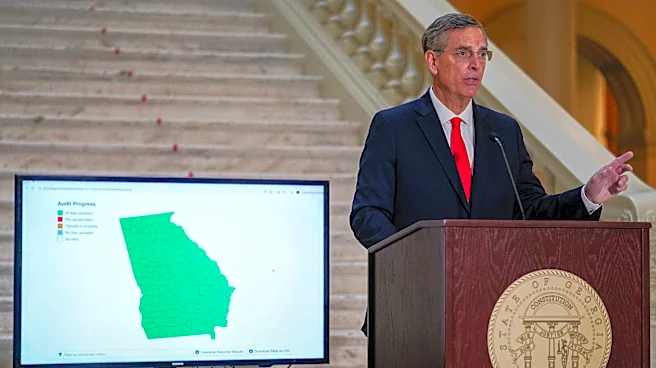
Once all 53 counties have certified their results, the process moves to the state level. The State Canvassing Board is responsible for reviewing the totals from all the counties and certifying the final, statewide results for federal, statewide, and legislative offices. According to the North Dakota Secretary of State's guidelines for the 2026 election, the State Canvassing Board must meet by June 26 for the primary election. The board's composition is defined by law and includes the Secretary of State, the Clerk of the Supreme Court, the State Treasurer, and the chairs of the two largest political parties. They examine the vote summaries from each county and combine them to declare the official winners for all multi-county and statewide races.
Why Does It Take This Long?
Nearly two weeks for counties and even longer for the state might seem like a long time in an age of instant information. But this built-in period is a feature, not a bug, of a secure election system. It provides the necessary time to ensure accuracy and handle complexities. It allows for the arrival and processing of valid mail-in ballots, gives voters a chance to resolve issues with their ballot signatures, and allows officials to carefully double-check every tally without being rushed. In a state that increasingly relies on mail-in voting, this window is essential for making sure every legitimate vote is counted. The process is designed to be transparent, with board meetings open to the public, ensuring that the final count is both accurate and trustworthy.