




The First Step: County-Level Canvass
The journey to official election results in Wyoming begins at the local level in each of the state's 23 counties. Immediately following an election, the first official action is the county canvass. This process is handled by a three-person County Canvassing Board. According to Wyoming statute, this board consists of the county clerk and two electors who reside in the county. To ensure bipartisan oversight, the two electors are appointed by the county clerk and must be from different political parties. Their job is to meet and meticulously review the returns from every precinct within their county. They examine poll books and tally sheets, summarize vote counts for each candidate and ballot measure, and resolve any provisional ballots cast on Election
Day. This local, bipartisan review is the foundational layer of Wyoming's certification process, ensuring accuracy starts at the source.
The County Deadline
Wyoming law sets a clear and swift timeline for this initial phase. The County Canvassing Board in each county is required to meet no later than the first Friday following the election. The meeting is scheduled by the county clerk once all precinct returns have been received and abstracted. Once the county board has reviewed and certified the local results, including any eligible provisional ballots, the county clerk immediately transmits these certified abstracts to the Wyoming Secretary of State. This quick turnaround from the counties is essential for the state to begin its own verification process without delay, moving the results up the chain of command for final approval. The county certification is the official local result, but it is not the final word for statewide or federal offices.
Escalation to the State Canvassing Board
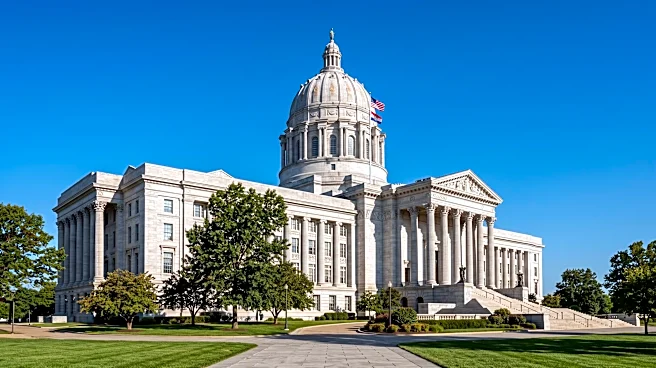
Once all 23 county clerks have submitted their certified results, the focus shifts to Cheyenne, the state capital. The final, official certification for federal, statewide, and legislative races is the responsibility of the Wyoming State Canvassing Board. This board is composed of some of the state's highest elected officials, providing a top-level, bipartisan backstop to the entire process. The board members are the Governor, Secretary of State, State Auditor, and State Treasurer. The Secretary of State serves as the chair of the board. The involvement of these four officials ensures that the final certification is conducted by a group with significant public accountability. Their role is to review the abstracts from all counties, compare them with the materials prepared by the Secretary of State's office, and resolve any discrepancies or tie votes.
The Final Word: State Certification and Date
The State Canvassing Board has its own deadline. By law, it must meet no later than the second Wednesday following the election to conduct its review and provide the final certification. At this meeting, the board examines the precinct-by-precinct results from across the state and certifies the abstract as the official state canvass. It is this action that formally declares the winners of congressional, statewide, and state legislative elections. Following the state canvass, the Secretary of State issues certificates of nomination or election to the winning candidates. This concluding step, occurring just over a week after Election Day, marks the official end of the election process in Wyoming, turning unofficial totals into legally recognized results.
Why This Multi-Step Process Matters
This deliberate, two-tiered system may seem bureaucratic, but it is the bedrock of election integrity. By starting with bipartisan boards at the county level, Wyoming ensures that the initial vote count is verified by local officials who are close to their communities. This local review can catch and correct errors before they are sent to the state, as has happened in the past when issues were identified and recounted at the county level before state certification. The final review by a board of top statewide elected officials adds another layer of security and public accountability. This methodical process, with its clear deadlines and shared responsibilities, is designed to build public confidence and deliver results that are accurate, transparent, and legally binding.