





The Official Source for Results
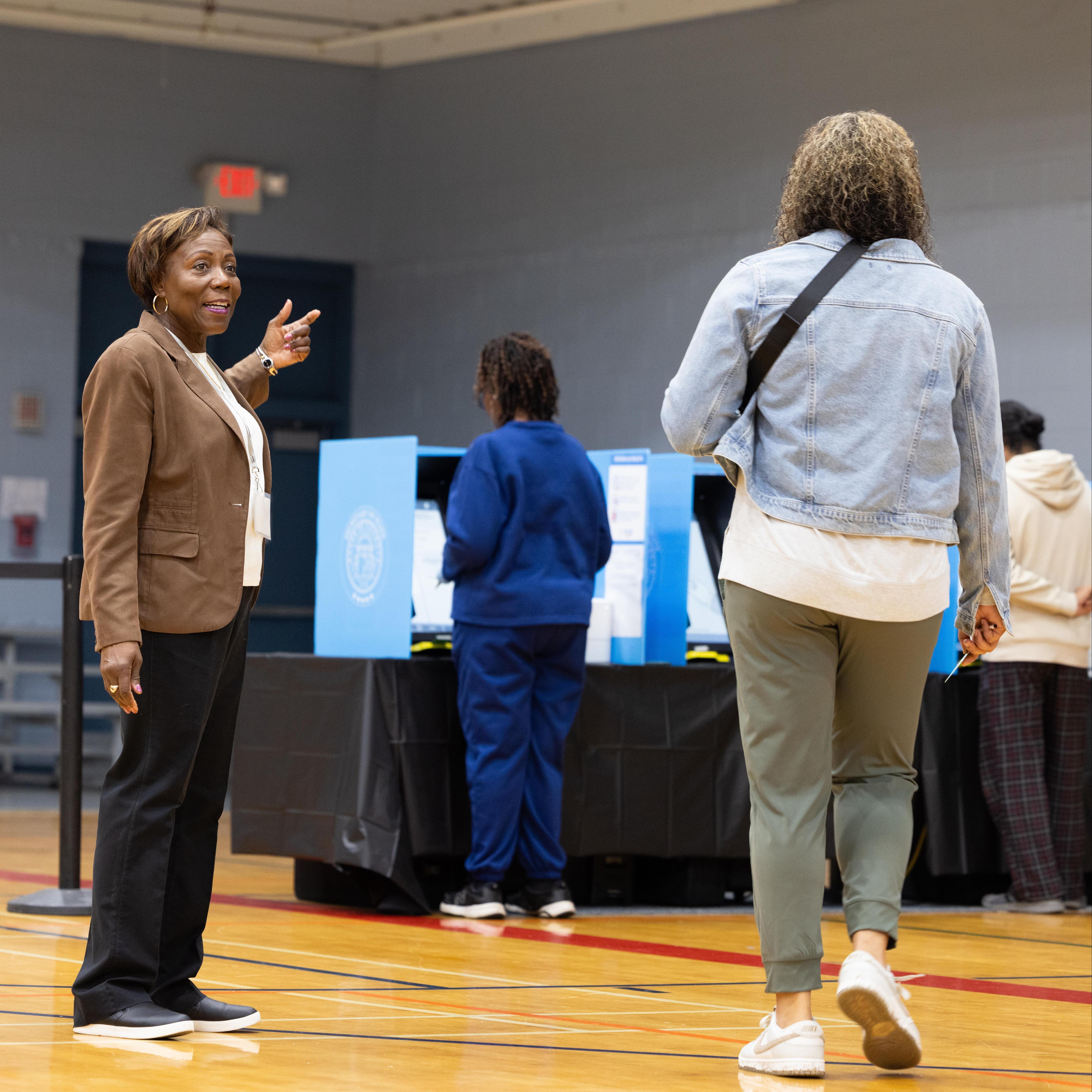
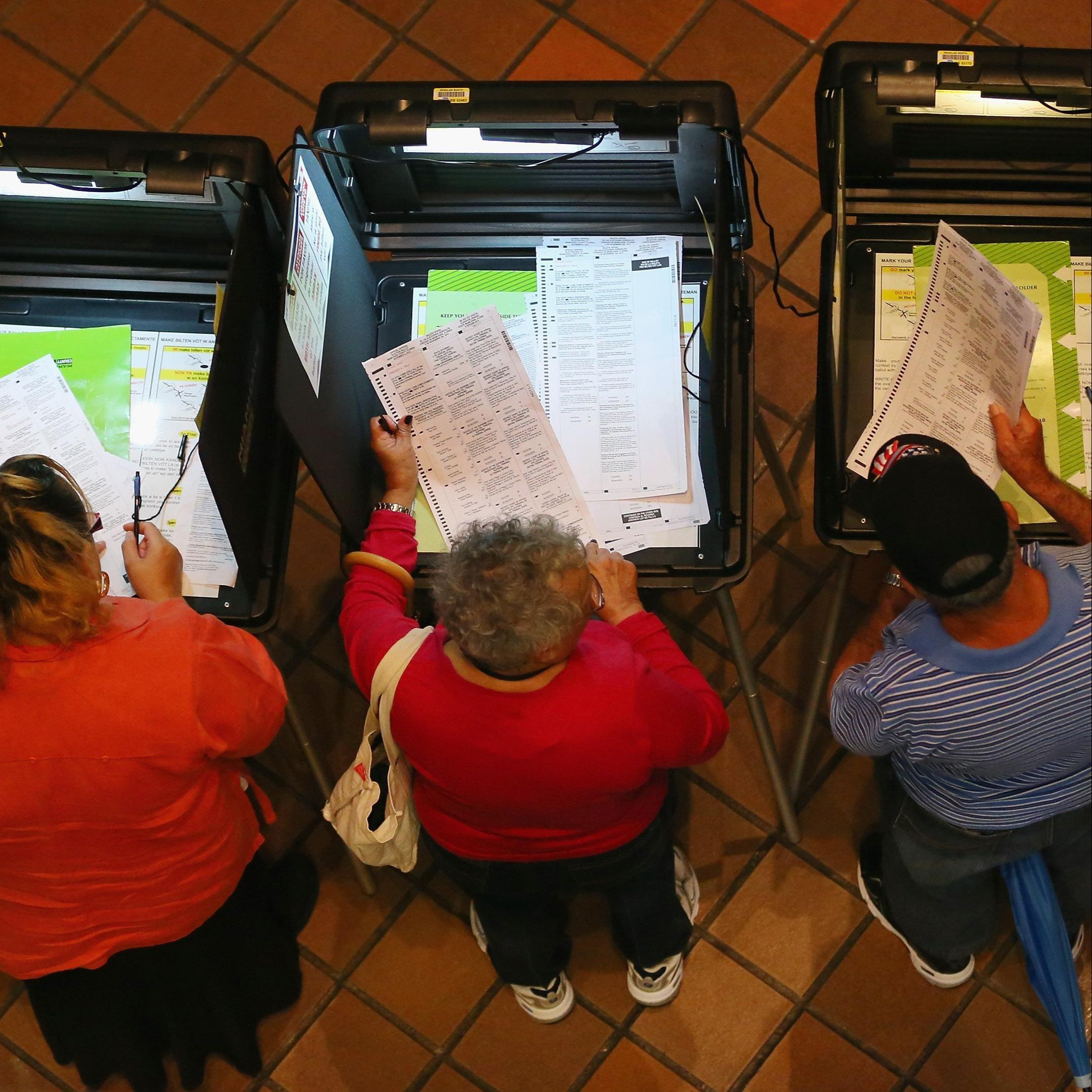
First things first: all unofficial results flow through one central hub. While news organizations use statistical models to project winners, the raw data they—and you—will be watching comes from the Kentucky State Board of Elections. This official body aggregates the numbers that each of the state's 120 county clerks report after their local polls close. Voting machines in Kentucky are not connected to the internet, ensuring a layer of security. After polls close at 6:00 p.m. local time, precinct officers print the vote totals, post a copy at the polling place, and physically transport the results and a secure flash drive to their county's board of elections. Those county officials then upload the data to the state's Election Night Reporting
(ENR) system.
The First Wave: What to Expect After 6 PM
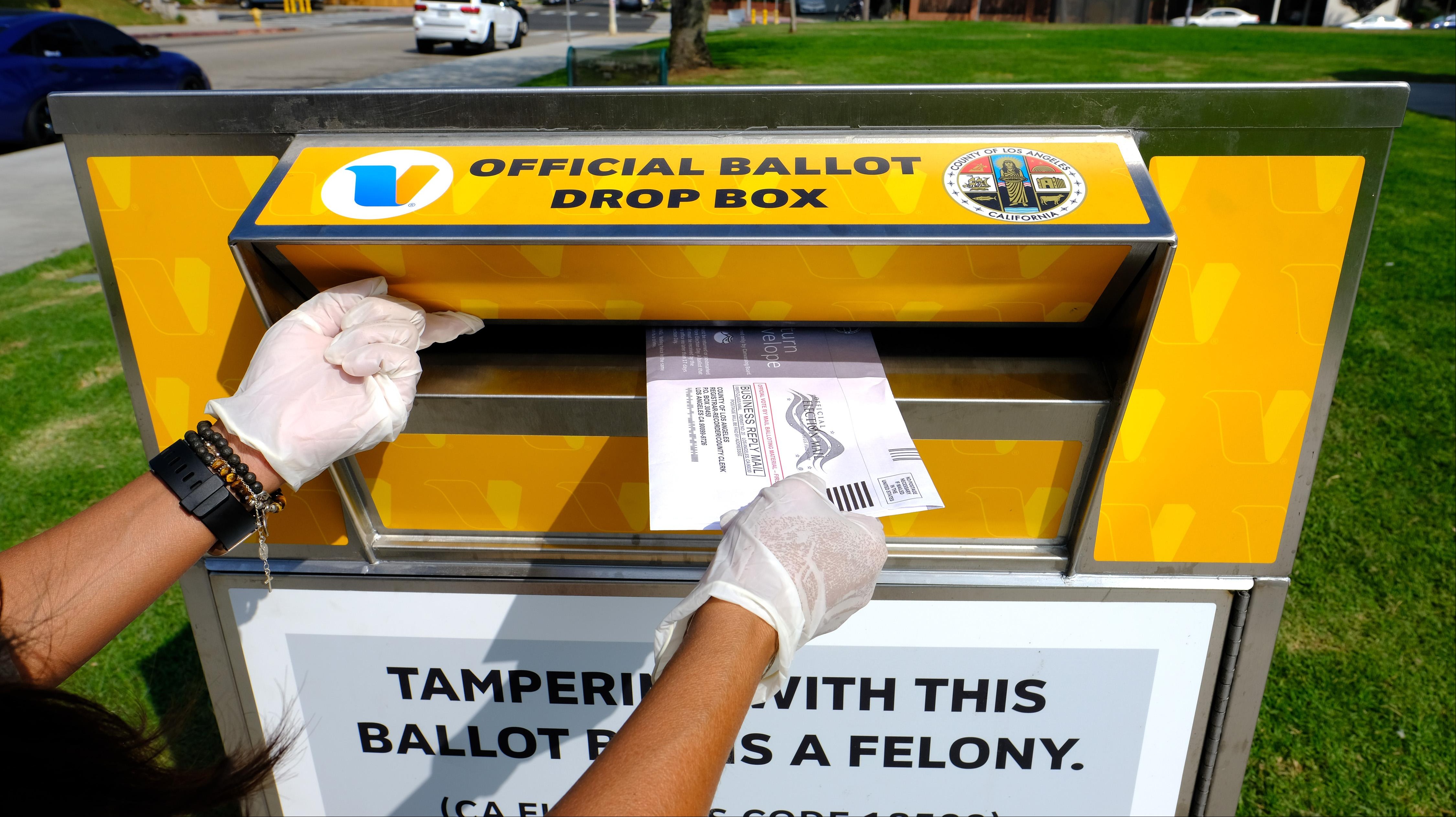
No results are published before all polls close at 6:00 p.m. local time. The very first numbers to appear often include early in-person absentee votes and mail-in ballots that counties were permitted to begin processing and counting earlier in the day. Kentucky law allows county election boards to start processing mail-in ballots up to two weeks before Election Day and begin the actual counting at 8:00 a.m. on Election Day, though the results must be kept secret until polls close. This means the initial drop can sometimes represent a significant chunk of votes, but it's crucial not to mistake this for the full picture. It's just the first piece of a large, complex puzzle.
How Often Are Results Updated?
The 'how often' part of the headline is key: Kentucky does not provide a continuous, real-time feed. Instead, results are updated in batches throughout the night as individual counties complete their counts and report them to the state. The State Board of Elections' website features a map that shows the reporting status of each county, often color-coded to indicate whether a county is partially or completely reporting. This means you'll see the statewide totals jump periodically. The frequency of these updates depends entirely on how quickly the various counties, from small rural ones to large urban centers, can tabulate and transmit their results. There can be lulls followed by large batches of new votes, so patience is essential.
The Urban vs. Rural Reporting Cadence
One of the most important factors to understand when watching Kentucky returns is the difference in reporting times between its populous urban counties and its many rural ones. Larger counties like Jefferson (Louisville) and Fayette (Lexington) have far more votes to count. The timing of their reports can dramatically swing statewide totals. It's common to see one candidate take an early lead based on results from smaller, faster-reporting counties, only for that lead to shrink or evaporate when a large batch of votes from Louisville or Lexington is finally added to the tally. Watching the 'percent of precincts reporting' in these key urban areas is often more informative than the raw statewide lead in the early hours of the count.
Remember: It's All Unofficial
It's critical to remember that every number you see on election night is unofficial. The results are not final until they undergo a certification process that takes place in the days and weeks following the election. County boards review all returns and provisional ballots, and candidates have a window to request a recanvass of the numbers. The State Board of Elections then meets to formally certify the final, official results, which can be as late as the third Monday after the election. While news organizations often 'call' races on election night when a candidate's lead is mathematically insurmountable based on unofficial data, the legal process of declaring a winner takes much longer.