


The Central Hub for Unofficial Results
On election night, the primary destination for statewide results is the Missouri Secretary of State's official website. This is where the unofficial tally for federal, statewide, and legislative races is publicly displayed. Missouri's elections are decentralized, meaning the state’s 116 local election authorities—county clerks or boards of election—are responsible for counting the votes in their jurisdiction and reporting them to the state. So, while you might see numbers flashing on TV or on news sites, the Secretary of State's portal is the official clearinghouse for the raw, unofficial data as it comes in from across Missouri. Local news outlets often pull directly from this source.
What Numbers Come in First?
The first results released shortly after polls close at 7
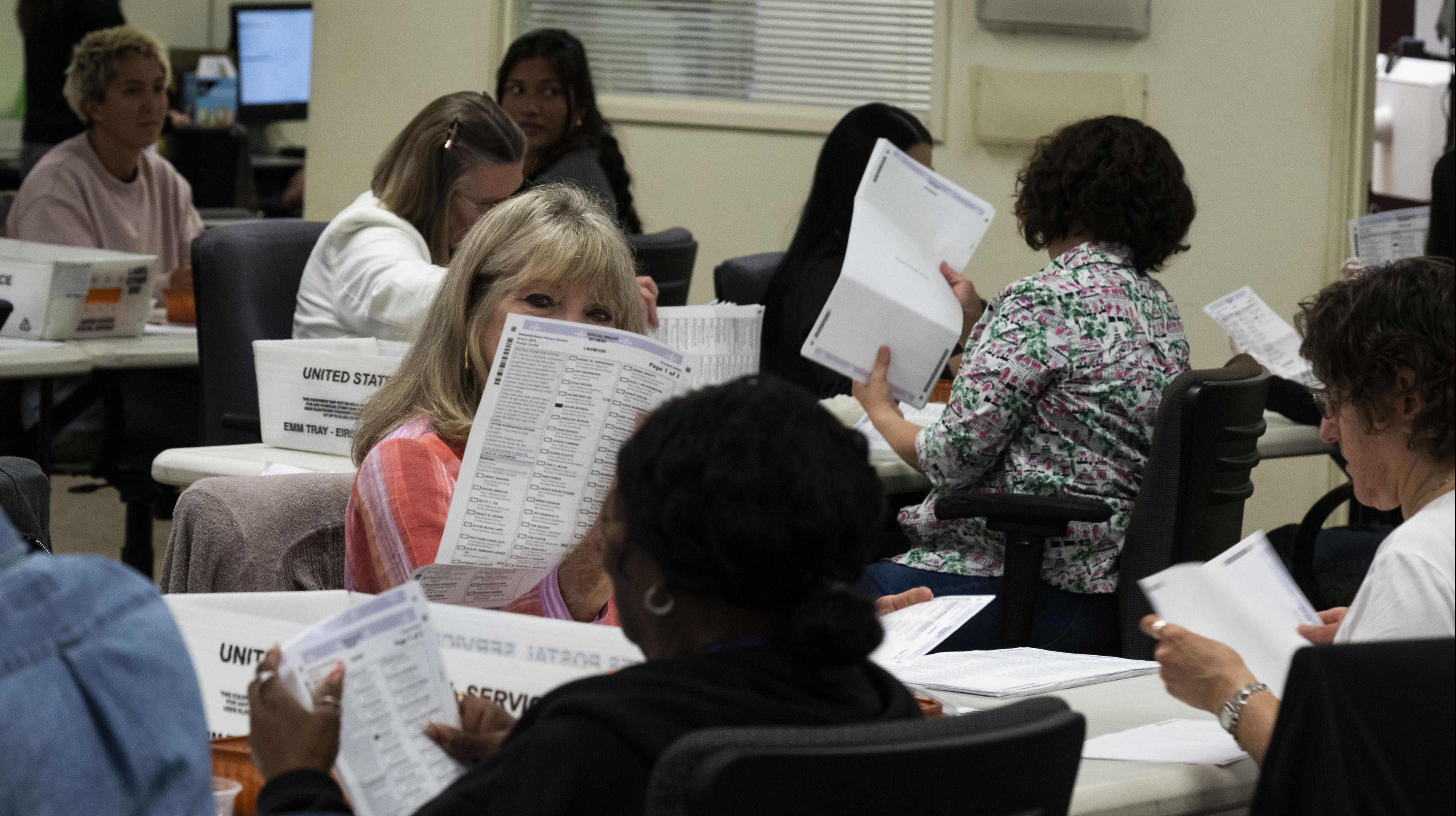
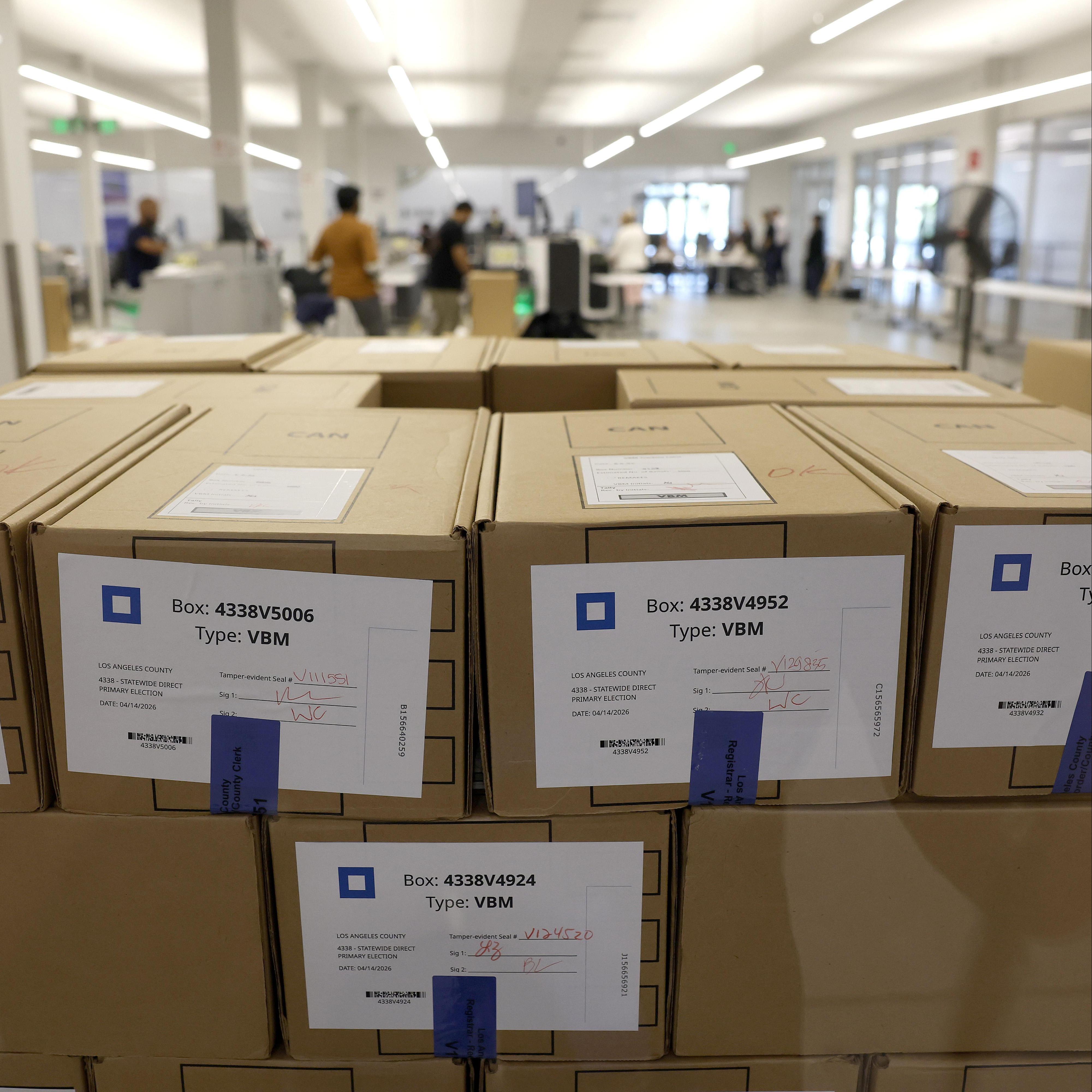
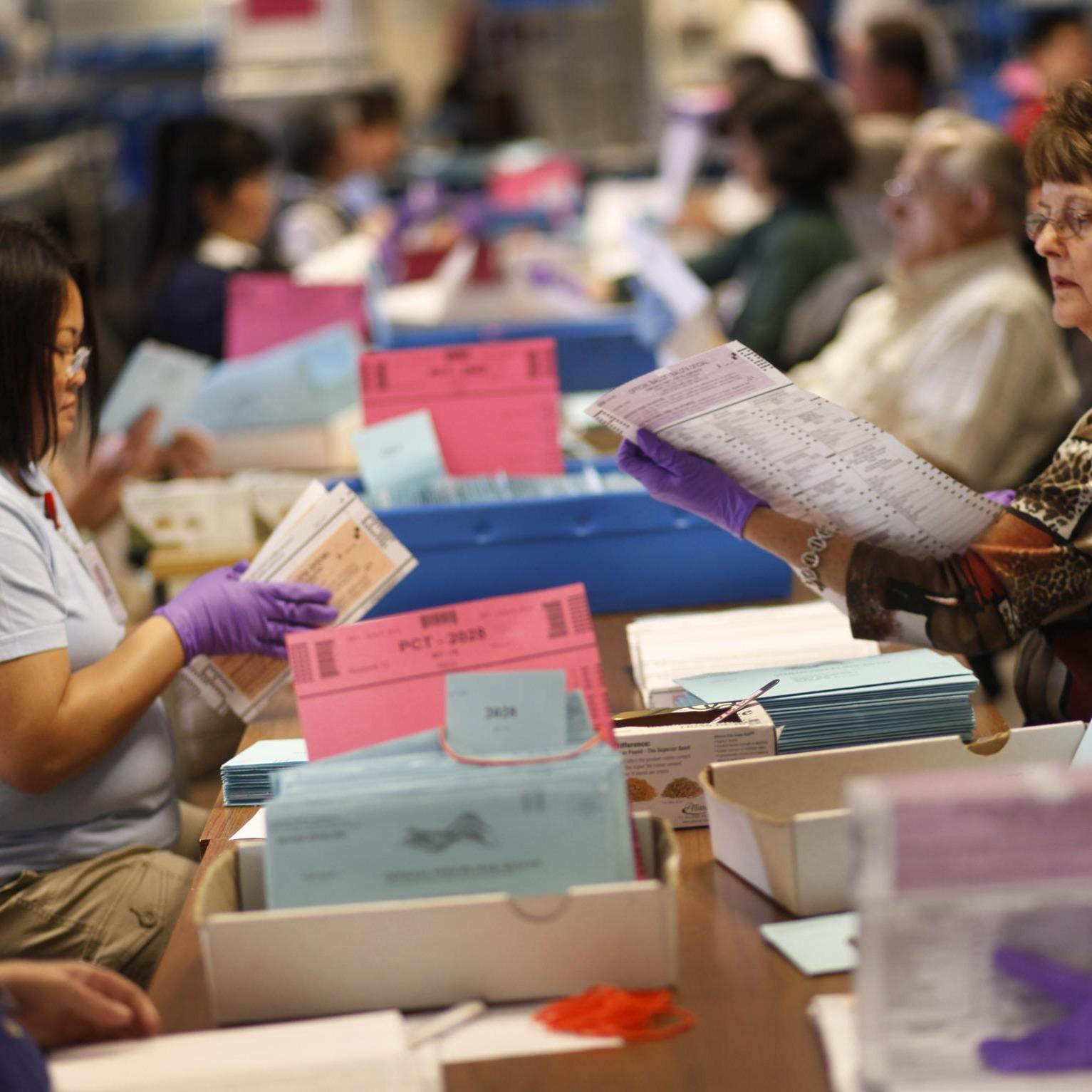
p.m. are typically the absentee and early in-person votes. These ballots are often processed by local election authorities ahead of Election Day, so they are ready to be tabulated and reported almost immediately. Following this initial dump of data, the results from in-person voting on Election Day begin to trickle, and then pour, in. Each precinct reports its totals to its county or city election authority, which then compiles them and sends them up to the state. This is why you often see significant swings in vote percentages early in the night as different types of votes (early versus Election Day) and different geographic areas (urban versus rural) report at varying speeds.
The Cadence of the Count
There isn't a single, legally mandated schedule for how often results must be updated on election night. The unofficial results are reported as they become available from the local jurisdictions. The Secretary of State’s website and news media feeds refresh their totals continuously throughout the night as counties complete their counts and transmit the data. Some news outlets claim to update results as frequently as every couple of minutes. The pace is fastest in the first few hours after polls close and gradually slows as the final, hard-to-reach precincts report in the late evening or early morning hours. For voters watching at home, this means hitting 'refresh' is part of the experience, as new totals can arrive at any moment.
Unofficial vs. Official: The Real Finish Line
This is the most critical distinction in understanding election results: everything you see on election night is unofficial. These are preliminary totals. The official results only come after a process called certification. In Missouri, local verification boards are responsible for reviewing and preparing an official abstract of votes. By law, they cannot certify these results before the Friday after Election Day. The state then has until the second Tuesday in December to convene its own board to review the totals from all jurisdictions and formally certify the winners of federal and statewide contests. This multi-week period allows time to count every valid ballot, including provisional ones, conduct audits, and ensure the accuracy of the vote before the outcome is made final.
What About Recounts?
If a race is exceptionally close, a recount might be requested. Missouri law does not provide for automatic recounts. A losing candidate can request one within seven days of the results being certified. For statewide offices, a recount is an option if the margin is within 0.5% of the total votes cast. For local offices, the margin is a slightly more generous 1%. The person or campaign requesting the recount is typically responsible for the cost unless the original result is overturned. This process happens after the initial certification, further underscoring that the numbers seen on election night are just the beginning of the story, not the end.