


Step 1: The County Canvass
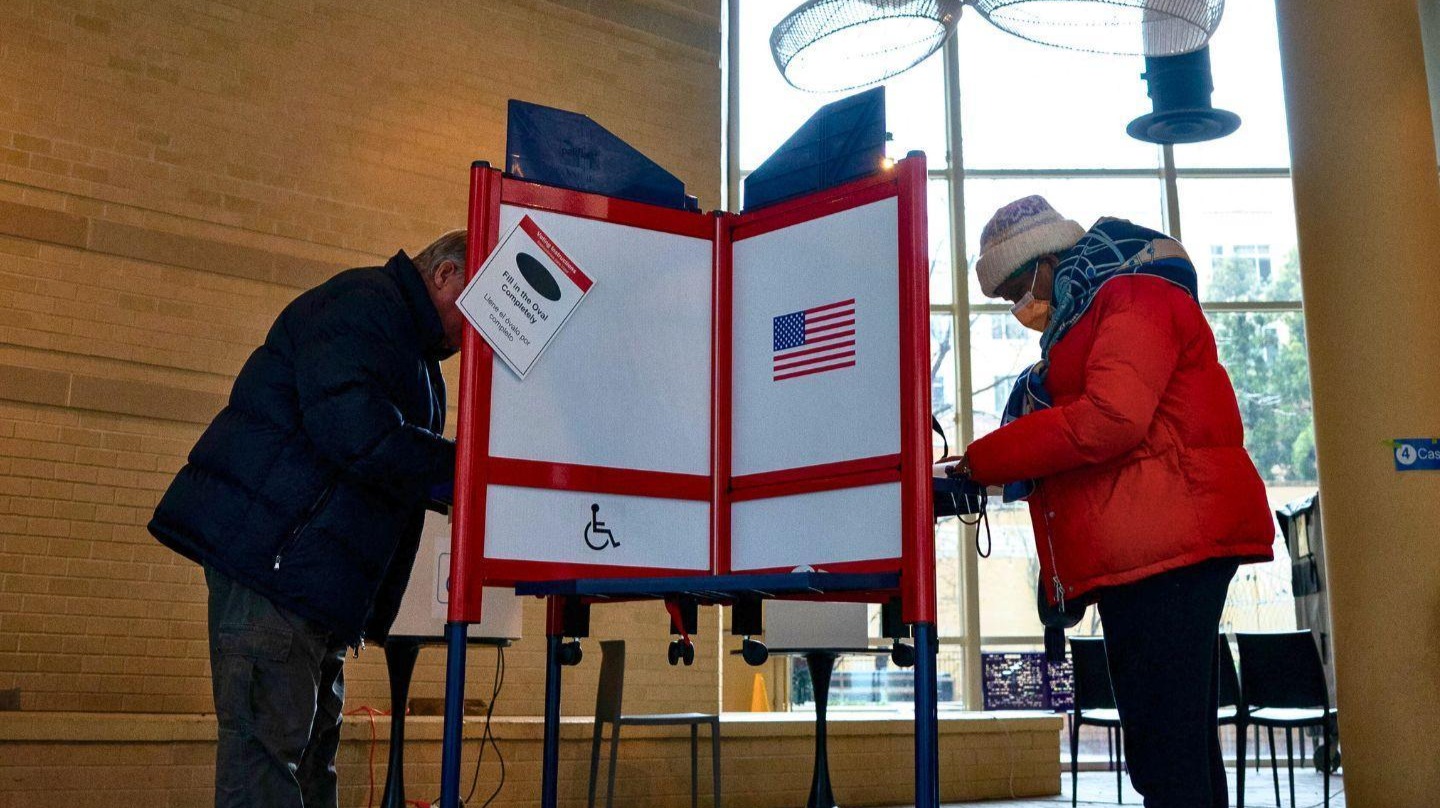
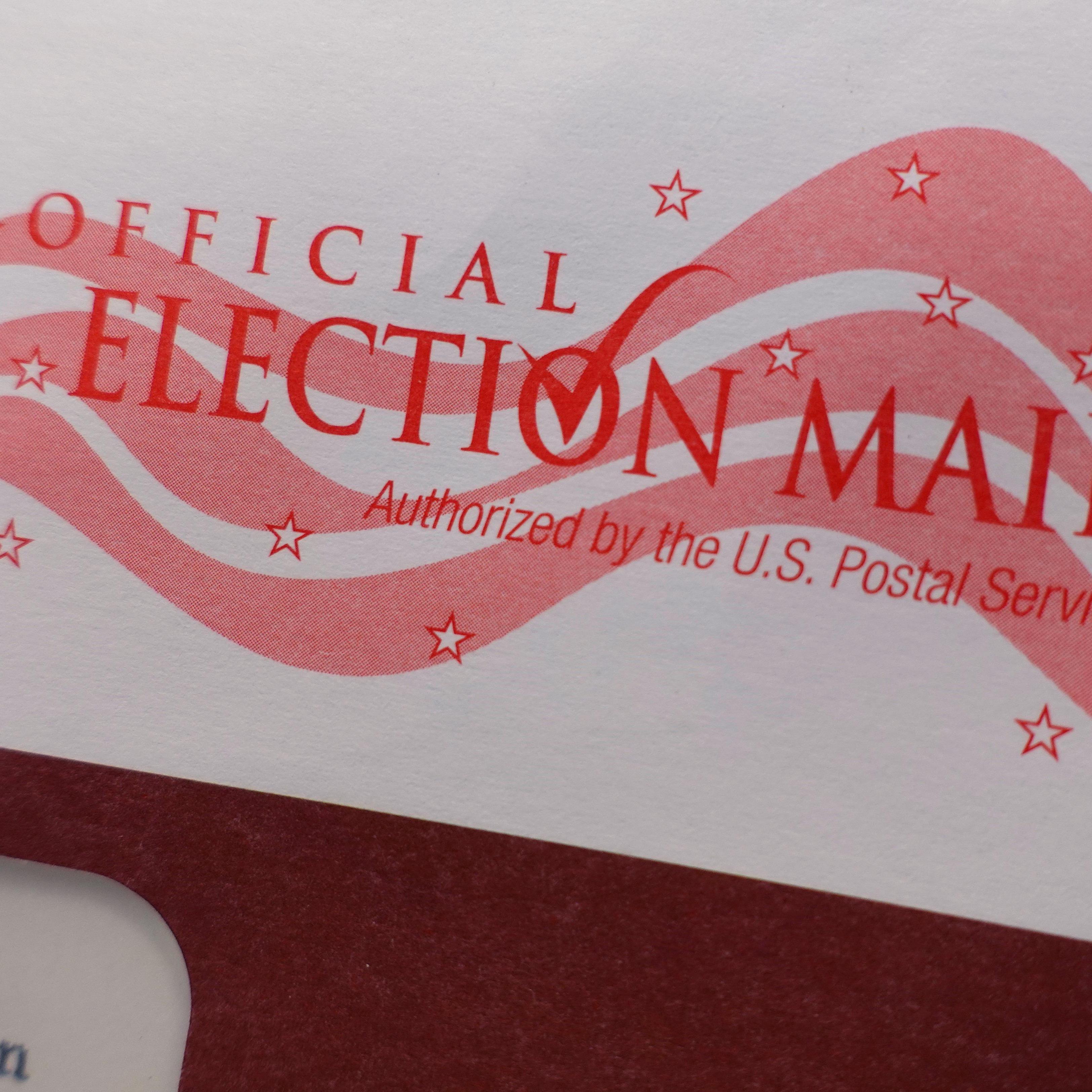
The entire process begins at the local level, in each of Pennsylvania's 67 counties. After the polls close on Election Day, county boards of elections begin what is known as the 'canvass'. This is the official, methodical process of counting every valid vote. It involves double-checking records from each precinct, processing mail-in and absentee ballots, evaluating provisional ballots, and ensuring all legal requirements are met. This isn't just a simple tally; it's a careful review to ensure accuracy. In most counties, the board of elections is composed of the county commissioners, creating a bipartisan body responsible for this crucial first step. They hold public meetings to conduct their work, and state law allows representatives from each candidate
and political party to observe the canvassing process.
Step 2: County-Level Certification
Once the canvass is complete, the county board's job is to formally certify its local results. This is a mandatory, non-discretionary duty. Pennsylvania law sets a firm deadline for this: county boards must complete their work and certify their results to the Secretary of the Commonwealth no later than the third Monday following the election. For the 2026 General Election on November 3, that deadline is Monday, November 23, 2026. This certification happens at a public meeting where the board members sign official documents verifying the vote totals. The process also includes post-election audits. Counties are required by law to conduct a statistical recount of a random sample of ballots (at least 2% of ballots cast or 2,000 ballots, whichever is fewer) to confirm the accuracy of the machine count before certifying.
Step 3: The Secretary of the Commonwealth
After all 67 counties have certified their results, the process moves to the state level. The certified totals are sent to Pennsylvania's chief election officer, the Secretary of the Commonwealth, who heads the Department of State. The Secretary's role is to receive, tabulate, and review the returns from every county. The Department of State aggregates the numbers to determine the final statewide vote counts for every race, from local referendums to presidential contests. This step ensures that all county results are compiled into a single, official statewide tally.
Step 4: Final State Certification
The final step is the official state certification. After reviewing the county returns, the Secretary of the Commonwealth signs the official certification document for the election. Interestingly, while counties have a hard deadline, Pennsylvania state law does not set a specific calendar date by which the Secretary must complete this final step. The statute simply says the Secretary shall 'forthwith' (immediately) tabulate the results upon receipt from the counties. However, external deadlines often create a practical timeline. For example, in a presidential election, federal law provides incentives for states to certify their results before a 'safe harbor' deadline to ensure their electoral votes are counted by Congress. For other offices, the Secretary lays the final returns before the Governor, who then issues commissions or certificates of election to the winning candidates.