



First, What Exactly Is a Canvass?
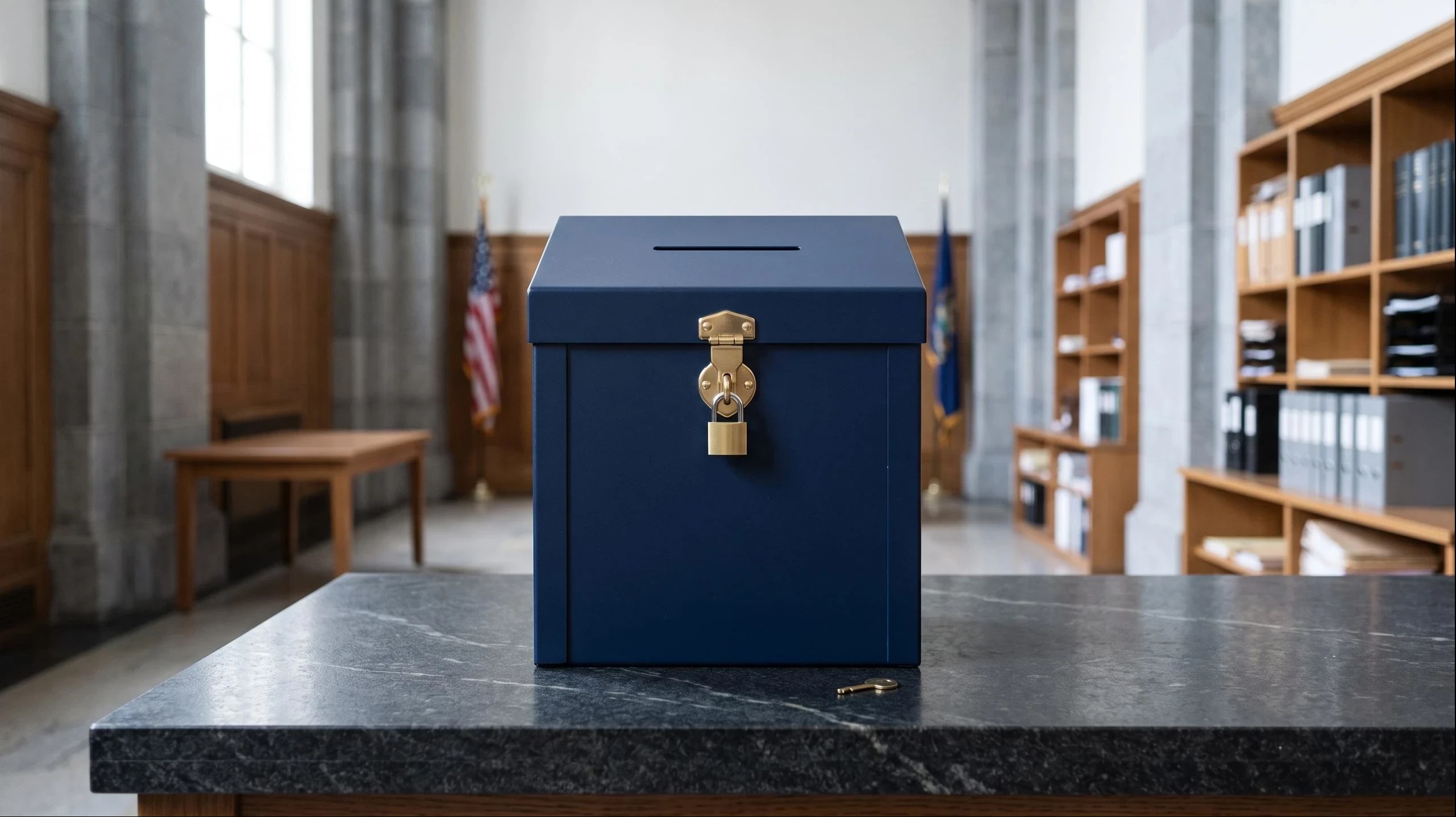
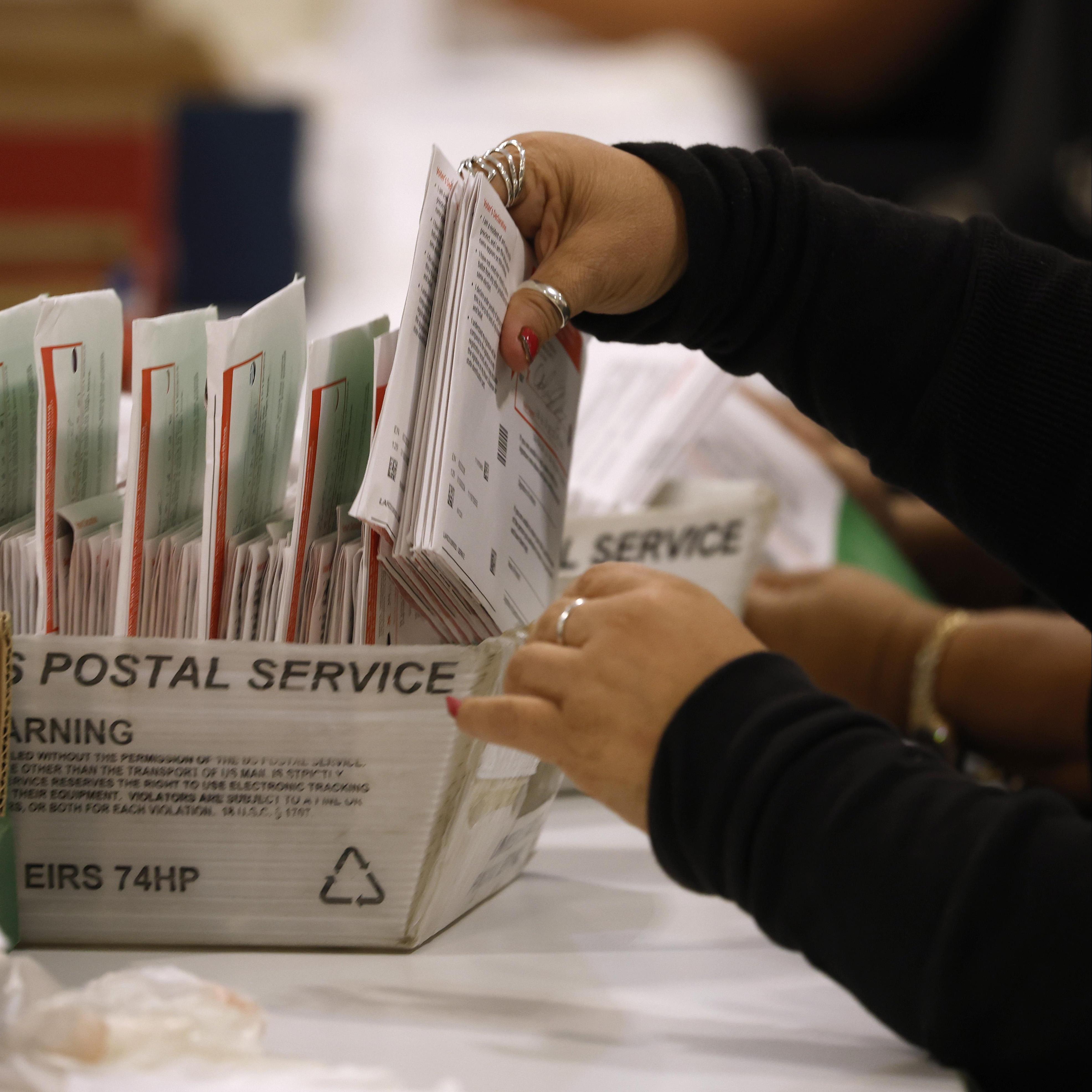
Think of the canvass as the official, methodical accounting of an election. It’s far more than just tallying up the votes you see on TV on election night. The canvass is the formal process where bipartisan county election officials review and confirm the vote totals from every precinct. This includes counting all valid ballots, including absentee ballots that arrive by the deadline, early votes, and provisional ballots cast on Election Day. It’s a detailed, security-focused procedure designed to ensure every legal vote is counted accurately and that the final results are trustworthy. This is the phase where officials resolve discrepancies, verify signatures, and produce the final, certified tally for their county.
The Official Deadline in Indiana
So, how long does this all take?
Indiana law provides a clear and surprisingly swift timeline. Each county election board must begin its canvass at 6:00 p.m. on Election Day and is required to complete it by the second Monday after the election. This gives counties a window of just under two weeks to complete this meticulous work. This period also allows time for military and overseas ballots to be received and included in the final count. The deadline ensures that the process is both thorough and efficient, preventing indefinite delays in finalizing election outcomes while still allowing for the careful work required for an accurate count.
Why It’s a Marathon, Not a Sprint
While roughly ten days might not sound like a long time, the work is intensive. County canvassing boards, which are bipartisan by design, are tasked with a complex series of checks and balances. They must aggregate vote totals from every machine and every precinct, often dealing with dozens of different ballot styles for various local, state, and federal races. A crucial part of their job is adjudicating provisional ballots. These are ballots cast when a voter's eligibility is in question at the polls. After Election Day, officials must research each case to determine if the voter was, in fact, eligible and if their vote can be legally counted. Add to this the verification of signatures on absentee ballots and the careful handling and logging of all materials, and the need for a dedicated timeframe becomes clear.
From County Canvass to State Certification
Completing the county canvass isn't the final step in the election. It's the final step at the local level. Once a county has finalized and certified its results, it transmits those official totals to the Indiana Election Division. The state then performs its own canvass, compiling the certified results from all 92 counties to produce the official statewide election results. This state-level certification is the final word on who has won statewide offices, and it formalizes the outcome of the election. This multi-layered process, from the local canvass to the state certification, is designed to create a secure, transparent, and verifiable chain of custody for the people's vote.
What About Recounts?
The canvass is distinct from a recount. The canvass is the mandatory, initial counting and verification process for every election. A recount, on the other hand, is only triggered if a candidate or party formally requests one after the canvass is complete. Indiana law allows a candidate to file a recount petition within 14 days of the election. If that happens, the process starts over for the specific race in question, often involving a manual hand-count of ballots to ensure the utmost accuracy. This is a separate legal proceeding from the canvass, serving as a final check in exceptionally close or contested races.