


The Magic Number: One-Half of One Percent
An automatic recount in Arizona is triggered when the final vote margin between the top two candidates is exceptionally narrow. Under state law, that threshold is one-half of one percent (0.5%) or less of the total number of votes cast for those two candidates. This rule also applies to ballot measures, where the margin between 'for' and 'against' votes is determinative. For example, if two candidates in a statewide race received a combined one million votes, a recount would be required if their final vote difference was 5,000 votes or fewer. This specific margin was established by a 2022 change in the law, which widened the previous, even narrower, threshold. This update makes it more likely that tight races will proceed to a recount than in past
election cycles.
Which Races Are Covered?
The automatic recount law applies to most major elections in the state. This includes races for federal offices like U.S. Senate and House of Representatives, all statewide offices such as governor and attorney general, and legislative races for the State Senate and House. It also covers propositions and constitutional amendments put before voters. However, the statute explicitly excludes several types of local elections. There are no automatic recounts for precinct committeemen, school district governing boards, community college district governing boards, or the boards of special districts like those for fire departments. For those specific local contests, the initial certified result stands, regardless of how close the margin is.
How the Recount Process Unfolds
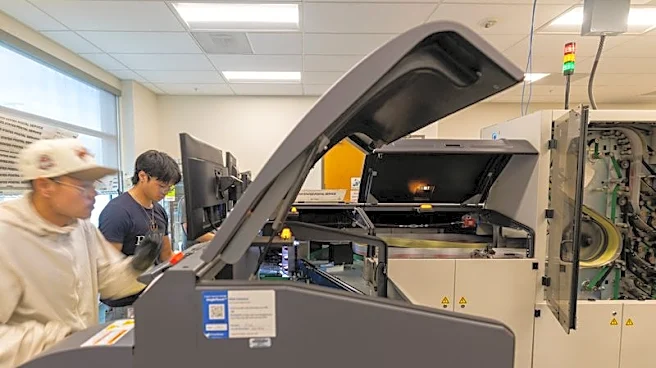
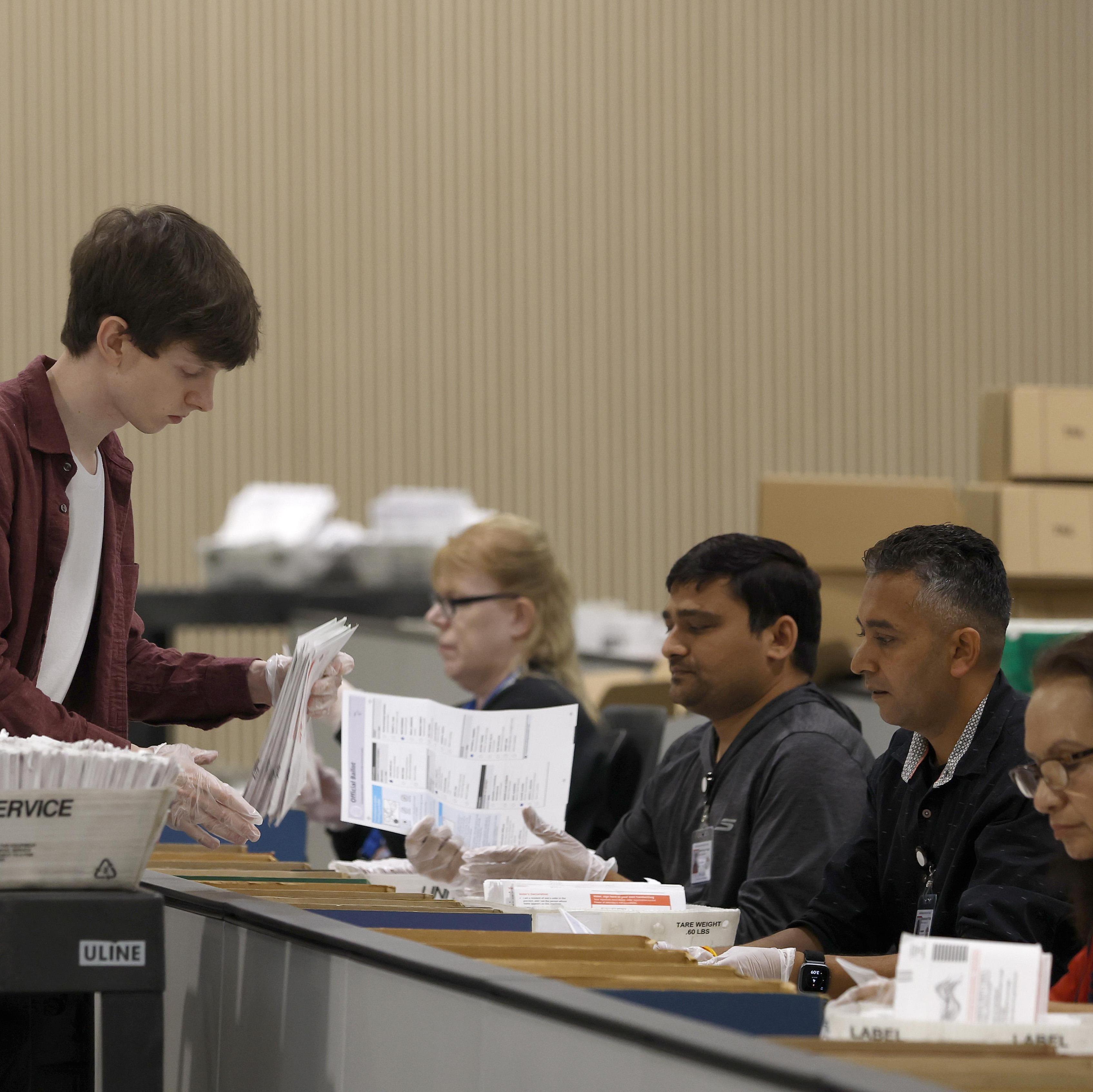
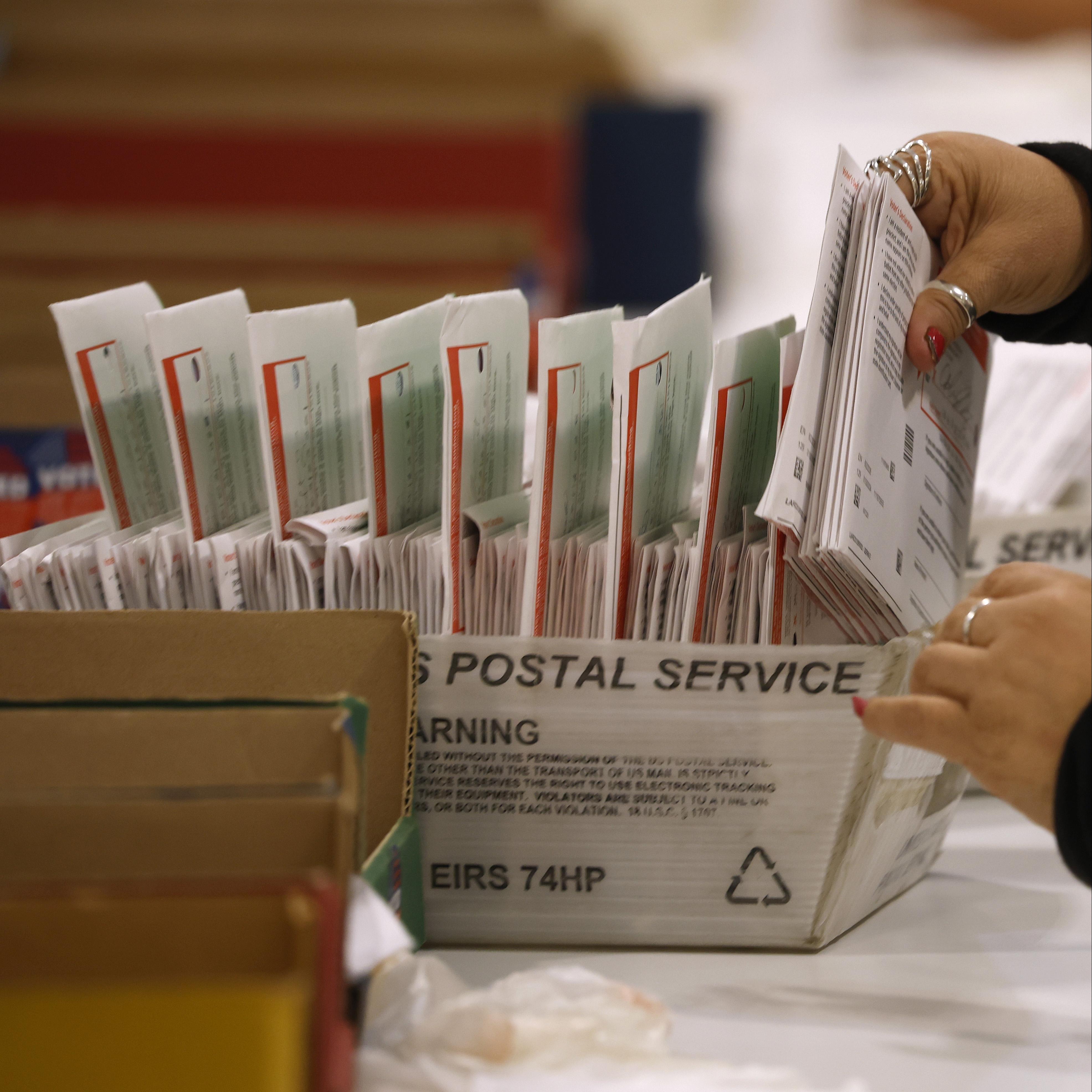
Unlike in some states, candidates or voters in Arizona cannot simply request a recount; it must be triggered automatically by the vote margin. Once the official canvass of votes shows a race has met the 0.5% threshold, the Secretary of State certifies that fact to the superior court, which then issues a formal order for the recount to begin. The process itself is not a full manual hand count, at least not initially. County election officials conduct the recount by re-tabulating the paper ballots from the specific race using designated electronic voting equipment. For transparency, this equipment first undergoes Logic and Accuracy testing. For legislative, statewide, and federal races, there is an additional step: after the machine recount, a hand count of a 5% sample of precincts is conducted to verify the electronic results. The final results are sealed and announced in court.
A System Tested by Close Contests
Arizona's recount laws are not just theoretical; they have been put into practice in several high-profile, razor-thin contests. The 2022 general election saw a dramatic automatic recount for the Attorney General race, where the final margin between the top two candidates was just a few hundred votes out of more than 2.5 million cast. That recount confirmed the initial outcome but highlighted the critical importance of having a clear, non-partisan process in place. More recently, a Democratic primary for Arizona's 3rd Congressional District in 2024 also went to an automatic recount after the initial margin was just 42 votes. These events underscore that in a state known for its tight political divisions, the automatic recount is a crucial and recurring feature of its electoral system, designed to ensure accuracy and public confidence when every vote matters.