

What 'Canvassing' Actually Means
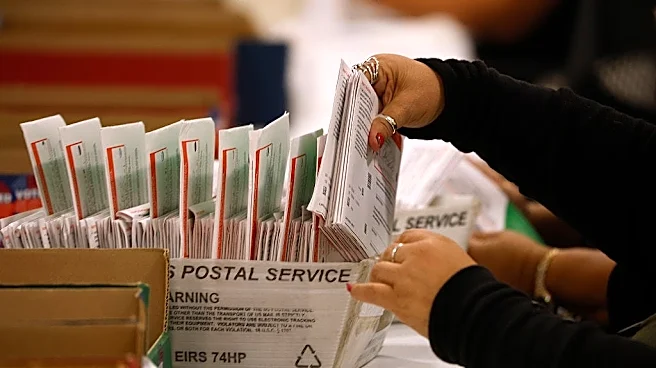
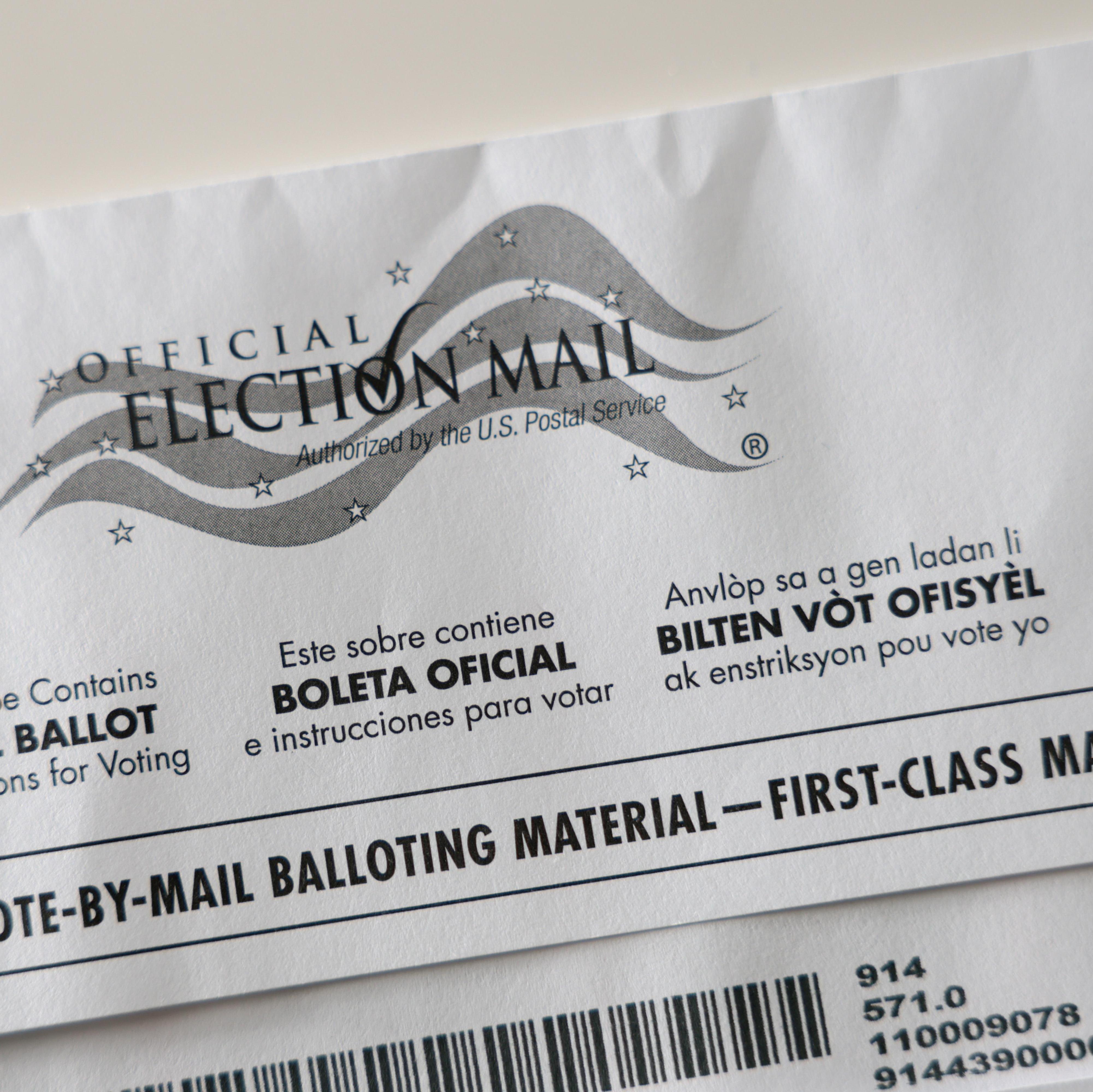
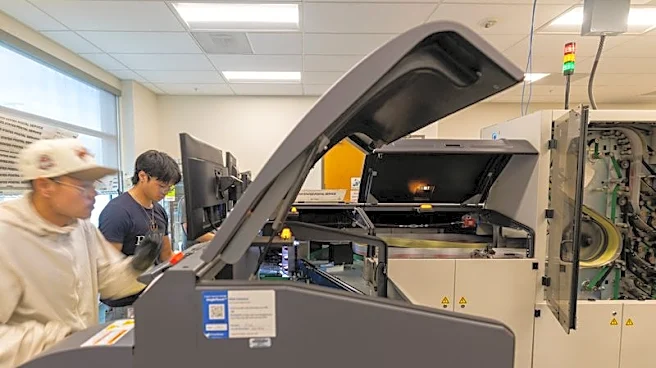
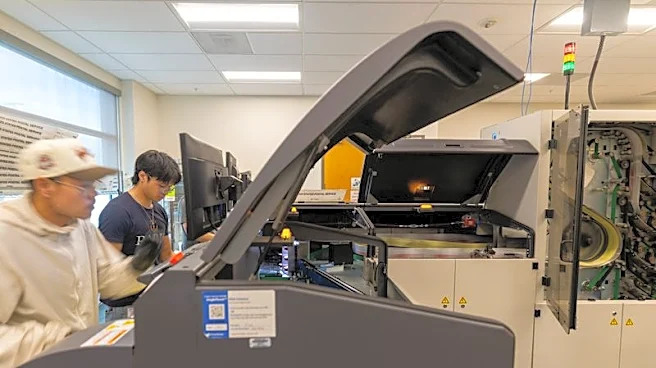
In the world of elections, 'canvassing' is the official term for the process of validating and counting every ballot. It's more than just running ballots through a machine. For county election officials, the canvass is a meticulous, multi-step procedure that ensures the final tally is accurate. It includes opening the envelopes of mail-in and absentee ballots, flattening them so they can be read by scanners, verifying that each ballot is legitimate, and reconciling the number of ballots with the number of voters who signed in at polling places or were recorded as voting by mail. This process is also when provisional ballots—those cast when a voter's eligibility is in question—are reviewed to determine if they should be counted. It is a systematic
check designed to ensure every valid vote is included in the final, official result.
The Official Deadlines
Pennsylvania law sets specific deadlines for its 67 counties. While the process starts on Election Day, it doesn't end there. County boards of elections are required to meet by 9 a.m. on the third day following the election to begin the public computation and canvassing of returns, and they must continue daily until it is finished. Unofficial results must be submitted to the Pennsylvania Department of State by 5 p.m. on the Tuesday after Election Day. However, the final, official certification from the counties isn't due until the third Monday following the election. This gives counties just under three weeks to complete their work, account for military and overseas ballots that can arrive after Election Day, handle any potential legal challenges, and conduct required post-election audits.
Why It Isn't Instantaneous
The main reason for the extended timeline is the commonwealth's rules around mail-in ballots. Following the passage of Act 77 in 2019, any registered voter can vote by mail without an excuse. This has dramatically increased the number of ballots that must be processed outside of a traditional polling place. Under current state law, election officials are forbidden from beginning the time-consuming process of 'pre-canvassing'—opening envelopes and preparing ballots for scanning—until 7 a.m. on Election Day itself. Unlike states that allow this work to begin days or weeks earlier, Pennsylvania counties must start from a standstill on a day they are also running in-person voting. When millions of mail-in ballots are returned, this creates an unavoidable bottleneck that guarantees counting will extend for days.
Accuracy Over Speed: A Feature, Not a Bug
The entire system is intentionally built for accuracy, not for instant gratification on election night. The period after polls close allows for bipartisan observation of the count, the adjudication of challenged ballots, and the careful review of provisional ballots. Furthermore, counties are legally required to perform a statistical audit by recounting a random sample of at least 2% of ballots cast or 2,000 ballots, whichever is fewer, to verify the machine tallies were correct. If a race is extremely close—within a margin of 0.5% or less—it triggers an automatic, statewide recount, which adds more time to the calendar. These checks and balances are fundamental guardrails of the democratic process. While there have been legislative efforts to allow for earlier pre-canvassing to speed things up, the current law prioritizes a methodical and verifiable count above all else.