




The Official Post-Election Timeline
In the world of elections, speed is secondary to accuracy. While unofficial results often dominate election night news coverage, the formal process of finalizing the vote count takes time. In the District of Columbia, election officials operate on a clear, legally structured timeline. Mail-in ballots, a standard for all registered D.C. voters, must be postmarked by Election Day. However, they are still considered valid if they arrive at the Board of Elections (BOE) up to 10 days after the election. This 10-day window for ballot arrival is a significant factor in the overall timeline. The entire process of counting and verifying every ballot, known as the canvass, must be completed and the results certified according to a schedule set by D.C. law.
While some states have deadlines that stretch for weeks, D.C.'s process is designed to be both thorough and reasonably paced to accommodate the mail-in ballot return period.
What 'Canvassing' Actually Involves
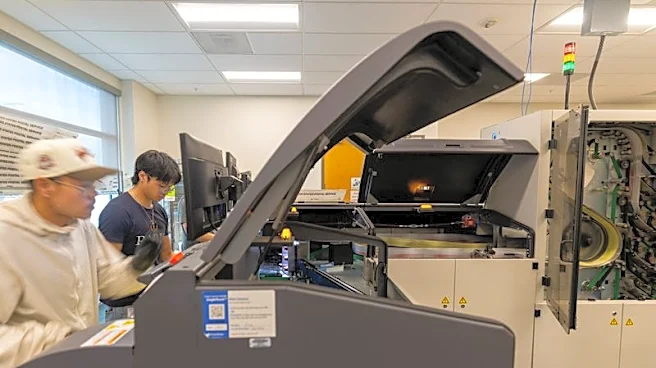
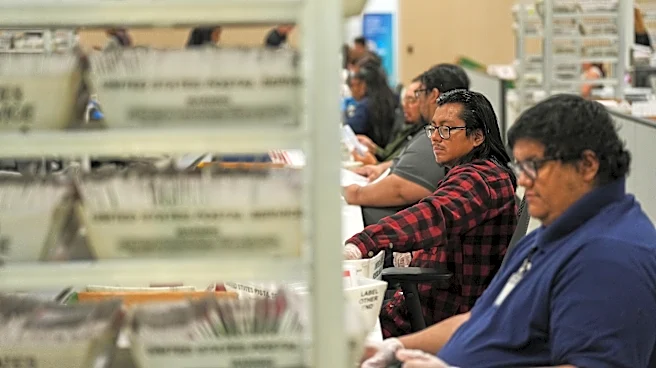
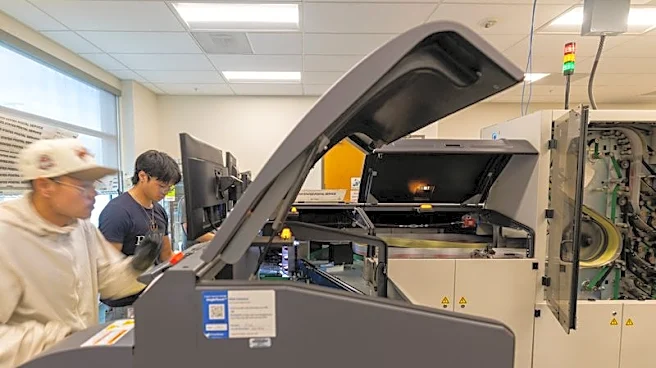
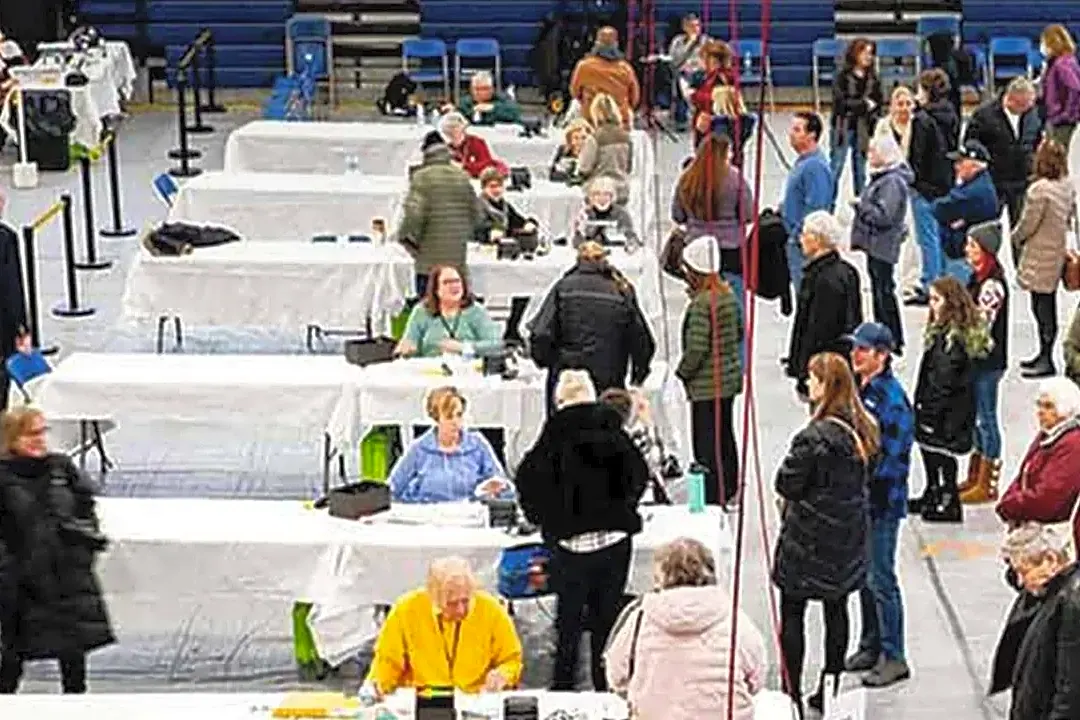
So, what happens during this period? 'Canvassing' is the official term for the meticulous process of ensuring the vote tally is complete and accurate. It’s far more than just running ballots through a machine one last time. For the D.C. Board of Elections, the canvass involves several critical steps. First, they must account for all ballots, including those cast in person during early voting and on Election Day, as well as the thousands of mail-in ballots arriving after the polls have closed. Officials verify the eligibility of each ballot, which includes checking signatures on mail-in ballot envelopes to ensure they match the one on file. They also adjudicate provisional ballots—those cast when a voter's eligibility was in question at the polling place. Each of these steps is methodical and deliberate, designed to protect the integrity of the vote. It is a transparent process, often open to observation by the public and political party representatives to ensure accountability.
Accuracy Over Speed: The Reason for the Wait
The waiting period between Election Day and final certification can feel long, but it’s a feature, not a bug, of a healthy democratic system. The primary goal is to count every single valid vote correctly. Rushing the process would inevitably lead to errors and disenfranchise voters whose ballots require extra verification. The 10-day period for mail-in ballots to arrive, for example, is critical for ensuring that military members, overseas citizens, and local residents who mailed their ballot on Election Day have their votes included. Furthermore, the canvass provides an opportunity to resolve discrepancies and ensure that the final, certified count is as precise as possible. This diligence builds public trust in the outcome. It confirms that the results are not based on projections or preliminary counts, but on a comprehensive and verifiable tally of every ballot legally cast.
From Canvass to Certification and Beyond
The canvass concludes when all valid ballots have been counted and accounted for. At that point, the D.C. Board of Elections moves to the final step: certification. Certification is the formal act of declaring the election results official. The Board reviews the consolidated vote reports and, upon confirming their accuracy, formally certifies the winners of each contest. This certification makes the results legally binding. However, even this isn't necessarily the final word. Following certification, there is a seven-day period during which a candidate or voter can request a recount, particularly if the margin of victory is narrow. D.C. law even mandates an automatic recount if the margin is less than 1% of the total votes cast. This multi-layered system of canvassing, certification, and potential recounts is the bedrock of how the District ensures its election outcomes are fair, accurate, and reflect the true will of the voters.