


The Short Answer: Yes, But With Guardrails
Vermont law is clear: the public is allowed to observe the vote counting process. This commitment to transparency ensures that the tabulation of ballots is not done in secret. However, this access is not a free-for-all. The guiding principle, according to the state's election manual, is that observation must not interfere with the orderly count of votes. Once the polls close, the presiding officer secures the counting area, allowing only election officials inside the guardrail. Members of the public, including officially designated 'poll watchers', can observe the proceedings but must do so from a designated area and without disrupting the process. This creates a balance between openness and the need for a secure, efficient, and accurate count.
Who Can Be an Official 'Poll Watcher'?
While any member of the public can observe, Vermont law provides for official 'poll watchers' who have specific, though limited, rights. These positions are not open to just anyone. They are reserved for representatives appointed by organized political parties, candidates on the ballot, and committees advocating for or against a public question. Typically, each group is allowed to have up to two representatives present at a polling place at any one time. In some cases, local election officials have required these watchers to register in advance to help clerks plan for a safe and orderly polling place layout. These official watchers are the only observers who have the standing to formally challenge a voter's eligibility, though the grounds for such challenges are extremely narrow.
The Rules of Engagement: What Observers Can and Cannot Do
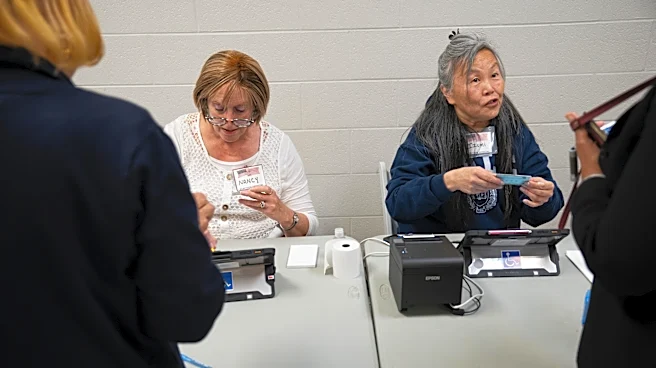
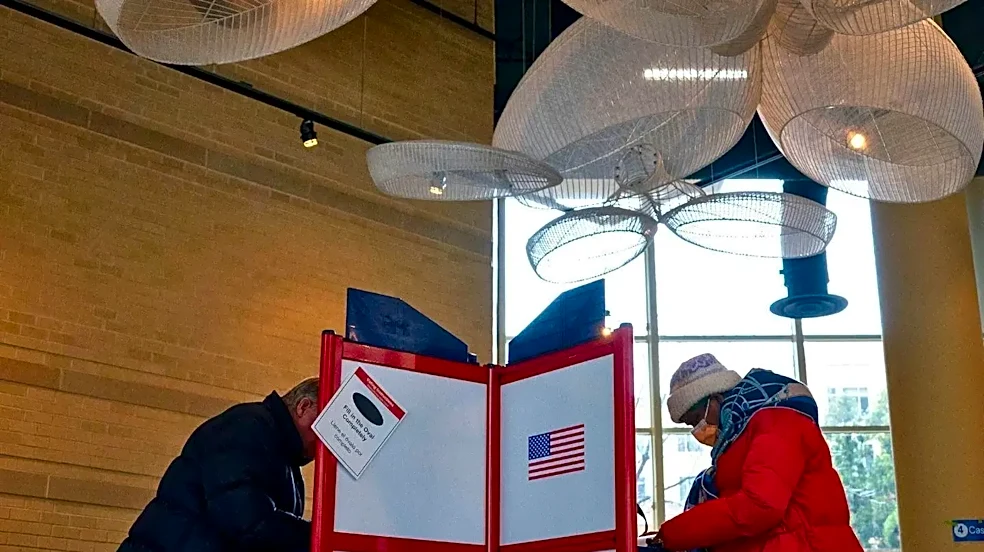
The rights of observers and poll watchers are strictly defined to prevent interference and voter intimidation. During voting hours, a watcher's primary right is to be present, hear the name of each voter as they check in, and in some limited cases, view a copy of the checklist at a time deemed convenient by election officials. They are expressly forbidden from speaking to voters, wearing campaign attire, using cell phones inside the polling place, or setting up their own tables. These same rules generally apply to the counting process. Observers can watch and listen, but they cannot interrupt election officials, touch ballots, or interfere with the count in any way. The presiding officer at each location has the authority to enforce these rules and remove anyone who is disruptive. This ensures the focus remains on the meticulous and non-partisan work of tabulating votes.
Where the Observation Happens: From Polling Place to Recount
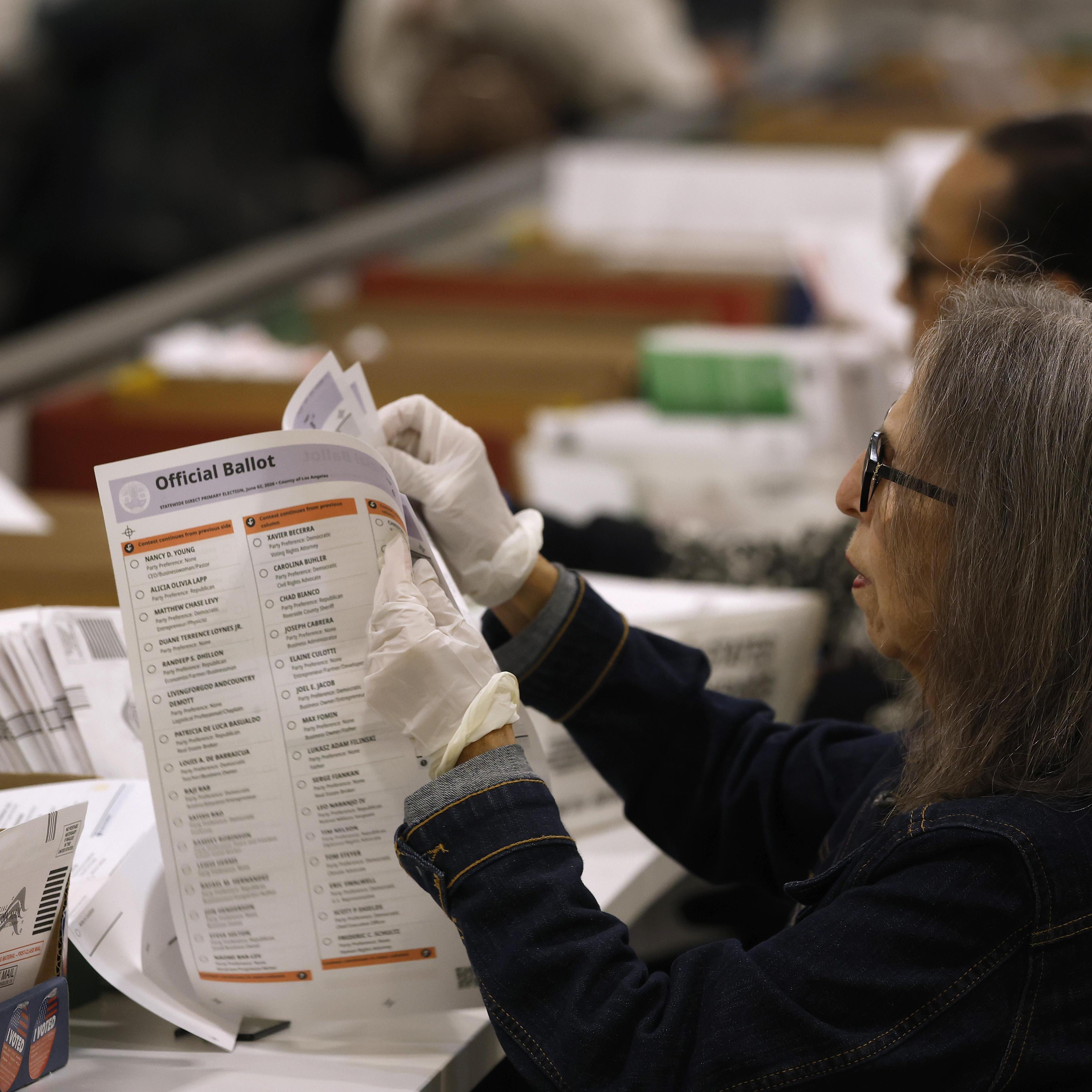
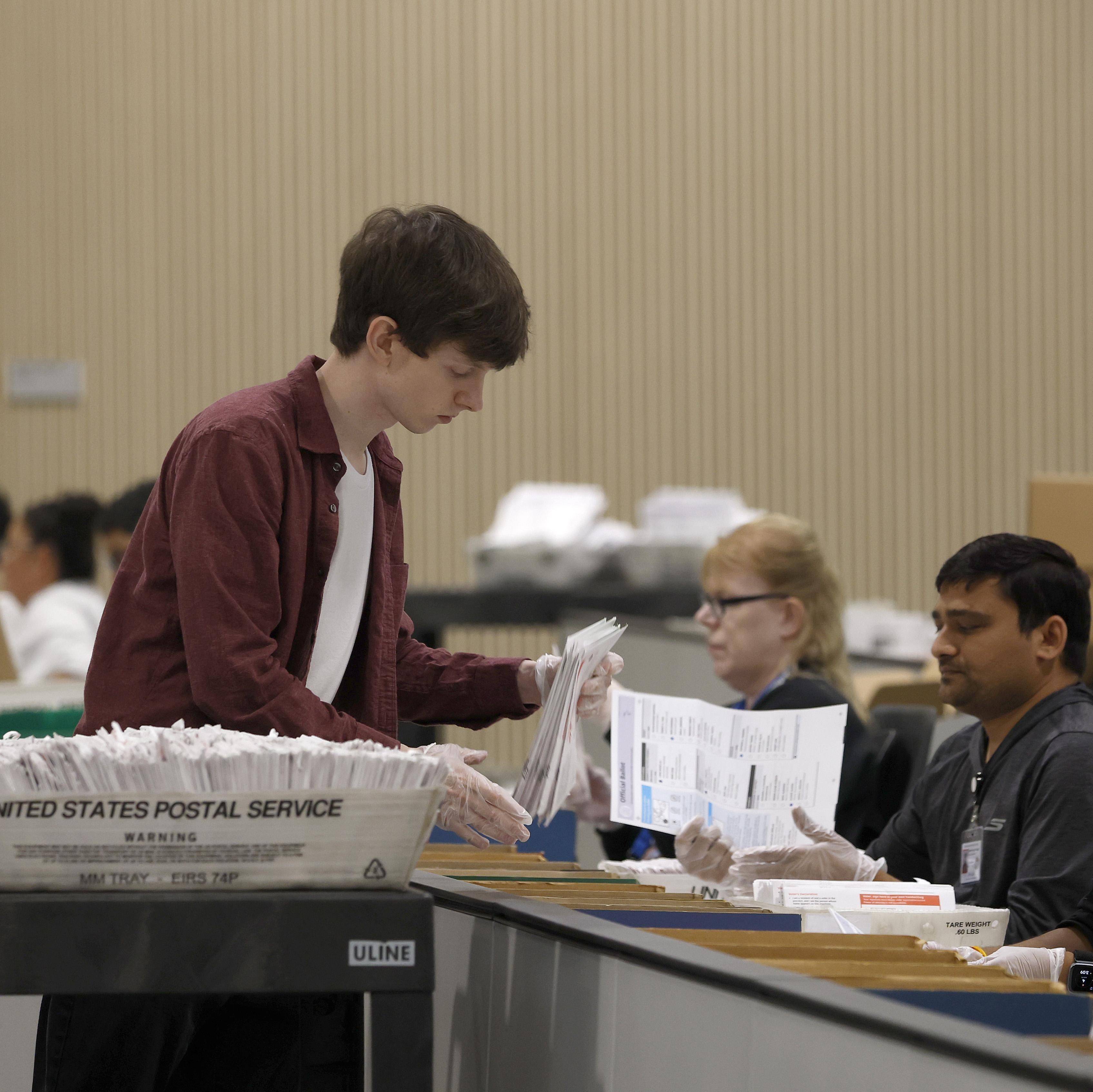
Observation isn't limited to the local polling place on election night. The principle of public access extends to all phases of the count. After the polls close, ballot counting is conducted by election officials, and the process must be open to public view. This includes the reconciliation of checklists and the physical counting of ballots. If a recount is triggered, those proceedings must also be public. However, the rules for recounts can differ slightly. For instance, in statewide recounts, candidates may nominate individuals to serve on the official recount committee, which actively assists in the process under the supervision of the Superior Court, rather than just passively observing. This maintains a level of partisan balance and oversight even in the most contentious and detailed post-election procedures.
Why This Structured Approach Matters
Vermont's system of structured observation serves two vital functions. First, it promotes confidence in the election outcome. By allowing party representatives and the public to witness the process, it demystifies the count and counters suspicion that something improper is happening behind closed doors. The state's guidance to election officials emphasizes ascertaining voter intent as the primary goal when counting, a process that benefits from public scrutiny. Second, the strict rules protect the integrity and privacy of the election itself. Prohibiting interference prevents disruptions that could lead to errors, delays, or the disenfranchisement of eligible voters. It also protects the privacy of the ballot and the voter. In essence, Vermont's laws are designed to prove the system's trustworthiness by making it observable, while simultaneously protecting it from the very interference that could render it untrustworthy.