






The First Step: The County Canvass
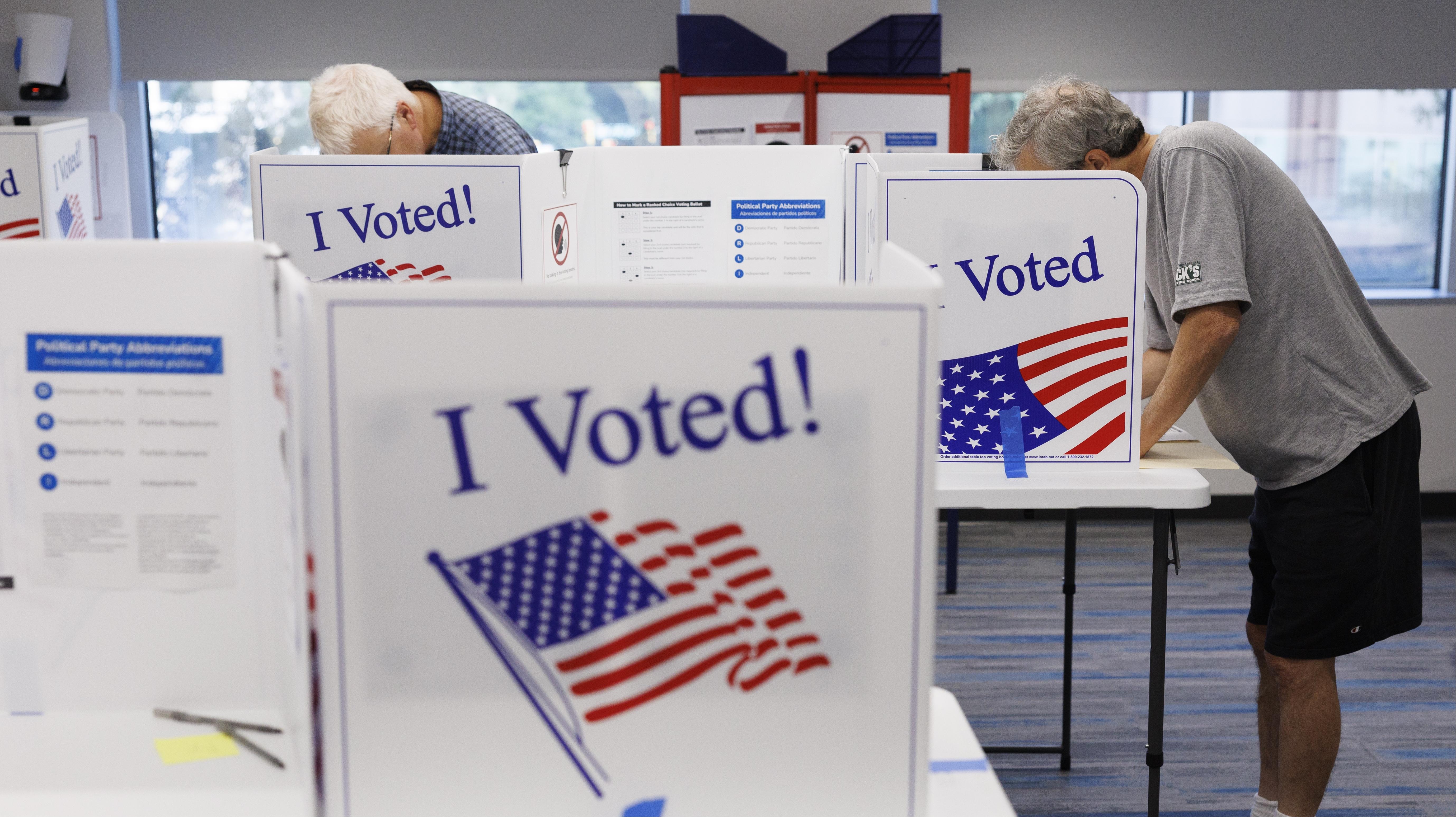
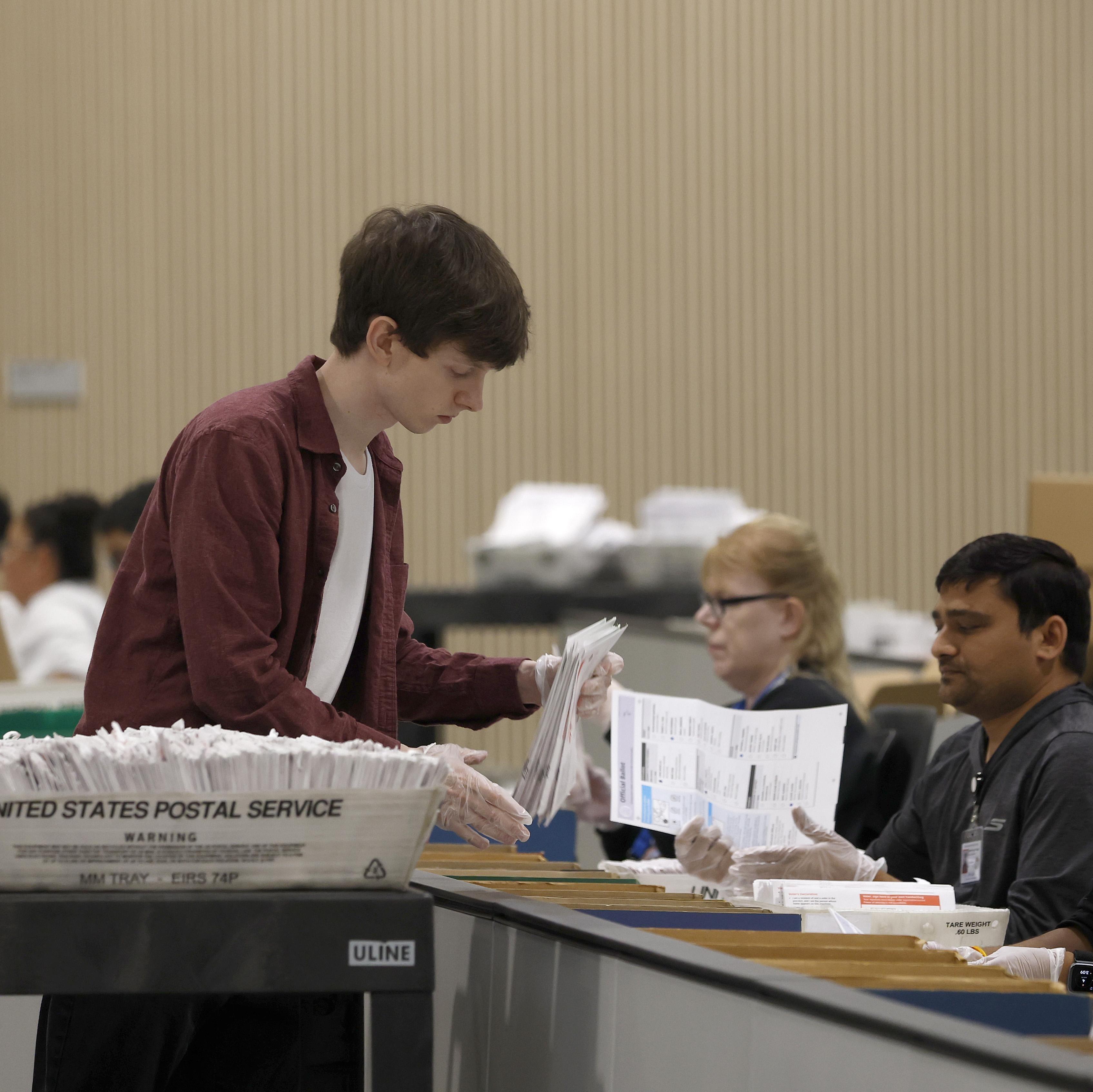
The first and most foundational phase of the post-election process is the county canvass. Think of it as a formal audit of the election. On a designated day after the election, the board of canvassers in each of Kansas’s 105 counties convenes to officially review the vote totals. This isn't a recount, but rather a methodical verification. The board, which is typically the county commission, meticulously examines the poll books from each precinct and compares them with the number of ballots cast to ensure everything matches. They review provisional ballots—those cast when a voter's eligibility was in question—to determine which should be counted. They also process and count valid mail-in ballots that were postmarked by Election Day and arrived
in the days following. This process is public and transparent. While each county sets its own specific date, these canvasses must occur in the days following the November 3rd election, with some counties like Wyandotte and Sedgwick tentatively scheduling theirs around November 12th. This ensures that all legally cast votes, including those from overseas and military members, are included in the final count.
The 'Cure' Process: Fixing Minor Ballot Issues
With the rise of mail-in voting, the 'ballot curing' process has become increasingly important. This procedure gives voters an opportunity to fix minor errors on their mail-in ballot envelope that would otherwise cause it to be rejected. The most common issue is a missing or mismatched signature. If a county election official finds a problem with your signature, Kansas law allows them to notify you. You then have a window of time to 'cure' the issue, typically by submitting a form confirming your identity and that you were the one who cast the ballot. As of 2026, 35 states have some form of ballot curing process, recognizing that voters shouldn't be disenfranchised due to a simple mistake. While a recent court ruling affirmed that mail-in ballots postmarked by Election Day must be counted if they arrive by the Friday after the election, the specific deadlines and procedures for curing a ballot can vary. Voters are always encouraged to contact their local county election office immediately if they receive a notification about a ballot issue to ensure their vote is counted.
Certification: Making the Results Official
Once every county has completed its canvass and all valid votes are tabulated, the results are sent to the Kansas Secretary of State's office. This triggers the final step in the election timeline: state certification. The process culminates in a meeting of the State Board of Canvassers, which consists of the Governor, Secretary of State, and Attorney General. This board reviews the official results from all 105 counties and formally certifies the outcome of all federal and state-level races. For the 2026 general election, the deadline for the State Board of Canvassers to meet and certify the results is December 1st. It is only after this certification that the election results are considered final and official. This multi-week, multi-step process, while sometimes frustrating for those who want immediate results, is designed to prioritize accuracy and public trust in the final vote count.