



More Than Just a Recount
First, let's clear up a common misconception: a canvass is not the same as a recount. While a recount re-tallies votes in a close race, a canvass is a mandatory review of all votes to ensure accuracy and completeness. Think of it as a comprehensive audit of the election. Every single state requires this process to officially review and certify election results. The goal is to reconcile the number of voters who checked in with the number of ballots cast, ensuring every valid vote is included in the final, official tally. It's a systematic procedure designed to catch clerical errors, resolve discrepancies, and confirm that all rules were followed before the outcome is set in stone.
It Starts at the County Level
The canvassing process begins locally, typically at the county
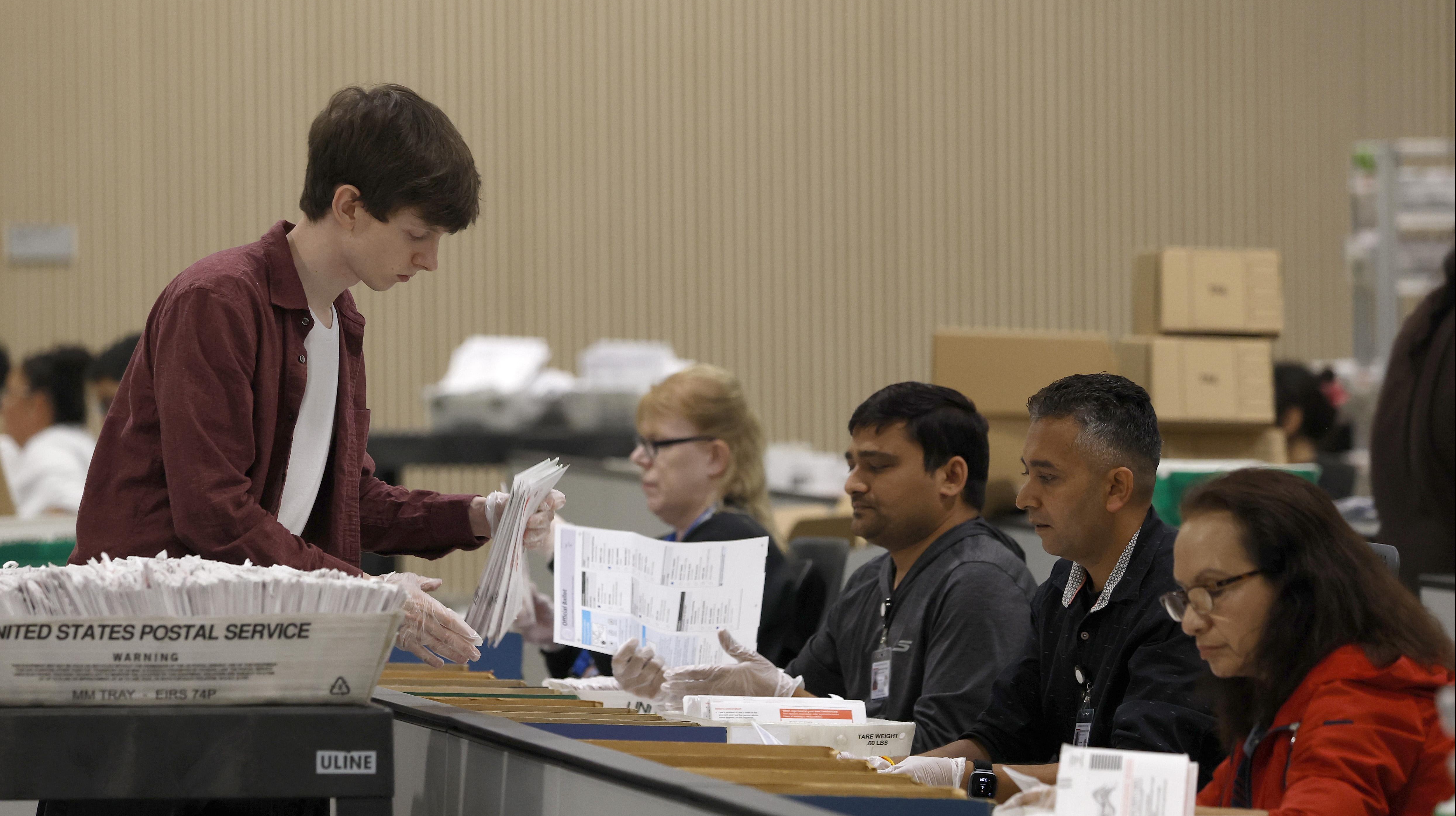
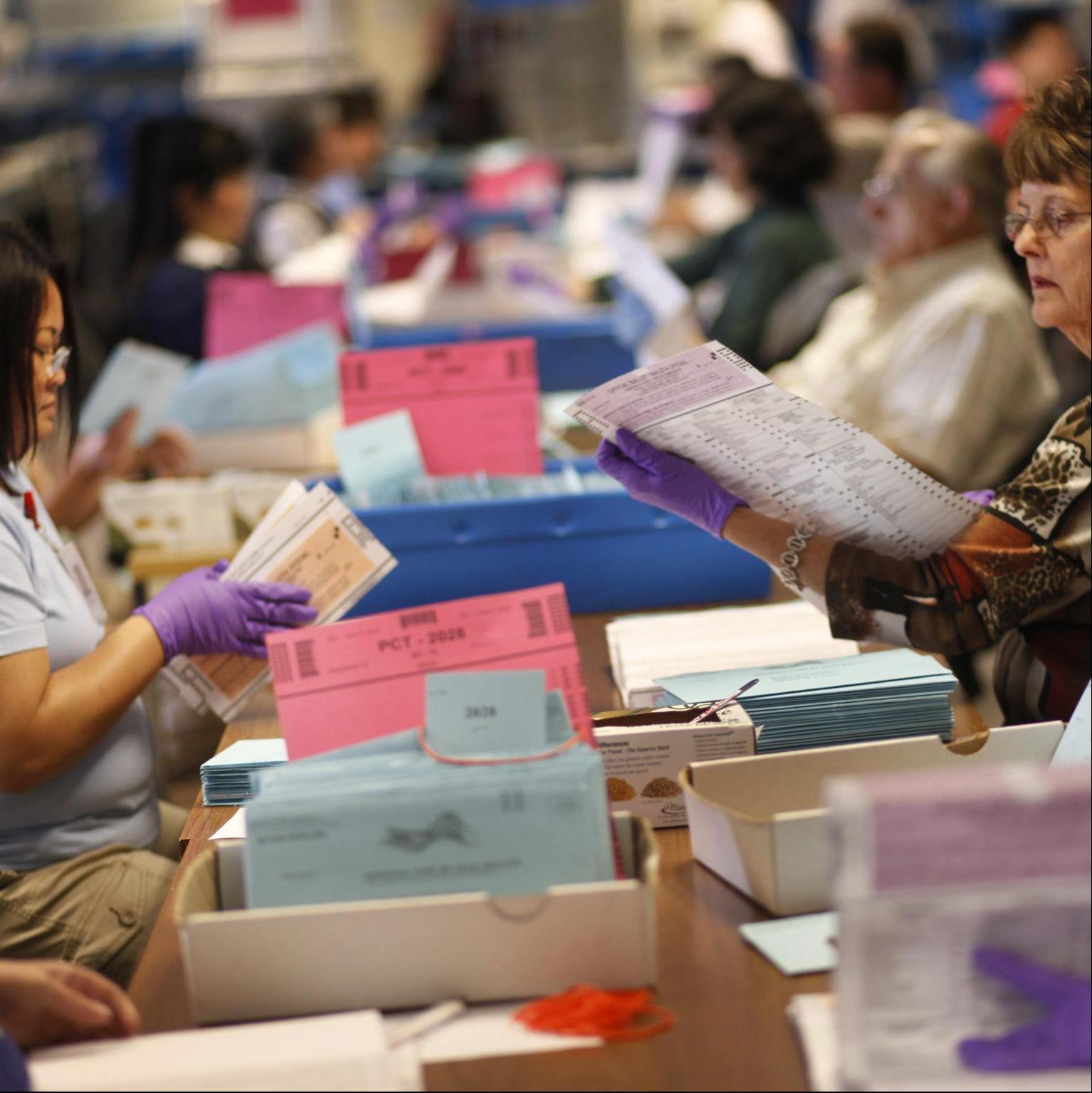
level, within days of an election. Local election officials, often a bipartisan board of canvassers, are responsible for this first, critical phase. Their job is ministerial and clerical, meaning they are there to verify the numbers, not to question the results or investigate fraud. They meticulously review the paperwork and vote totals from each precinct. This involves confirming that the number of ballots cast matches the number of voters listed in the poll books and examining the electronic printouts from all ballot tabulators. This detailed reconciliation is the foundation of the entire statewide certification.
Handling Provisional and Mail-In Ballots
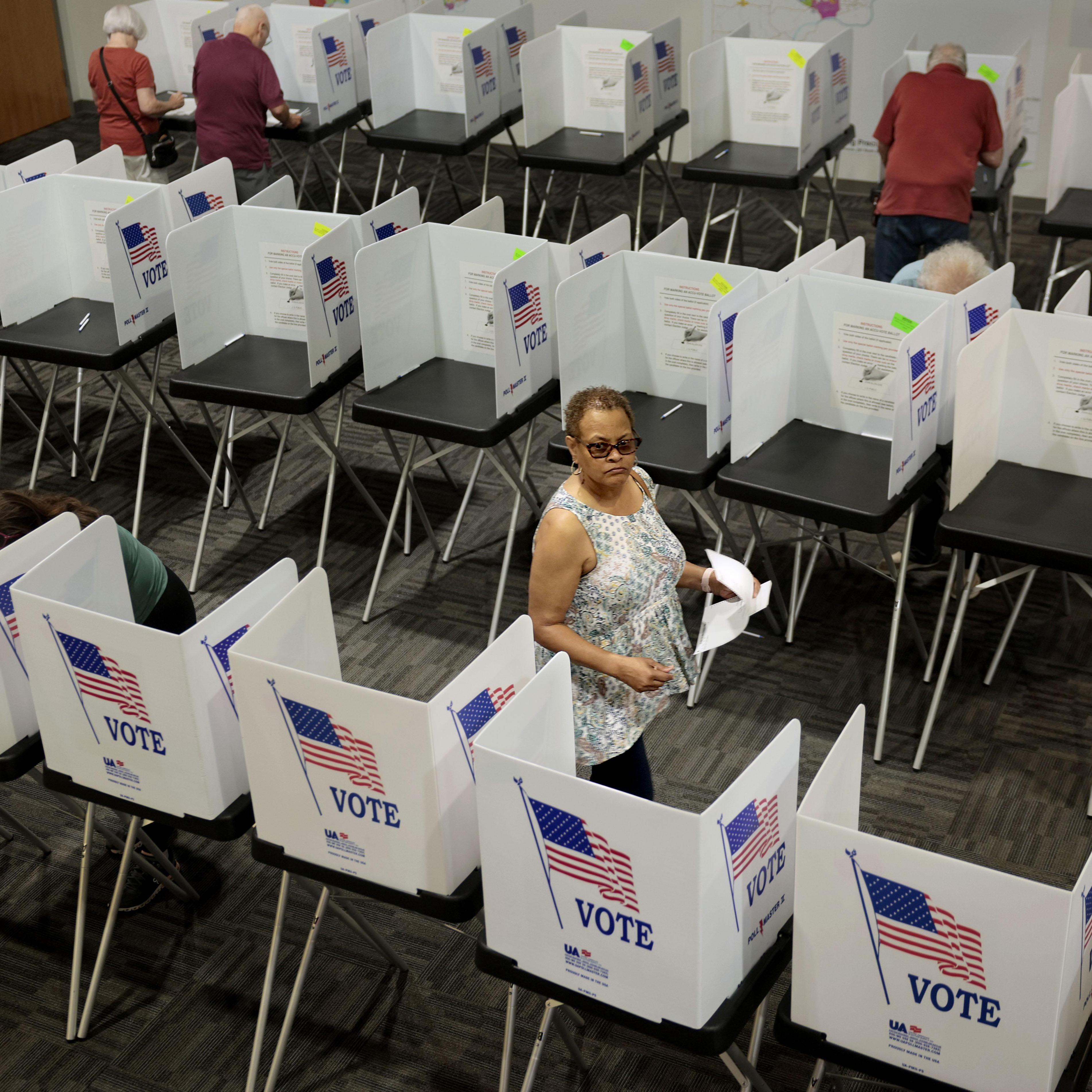
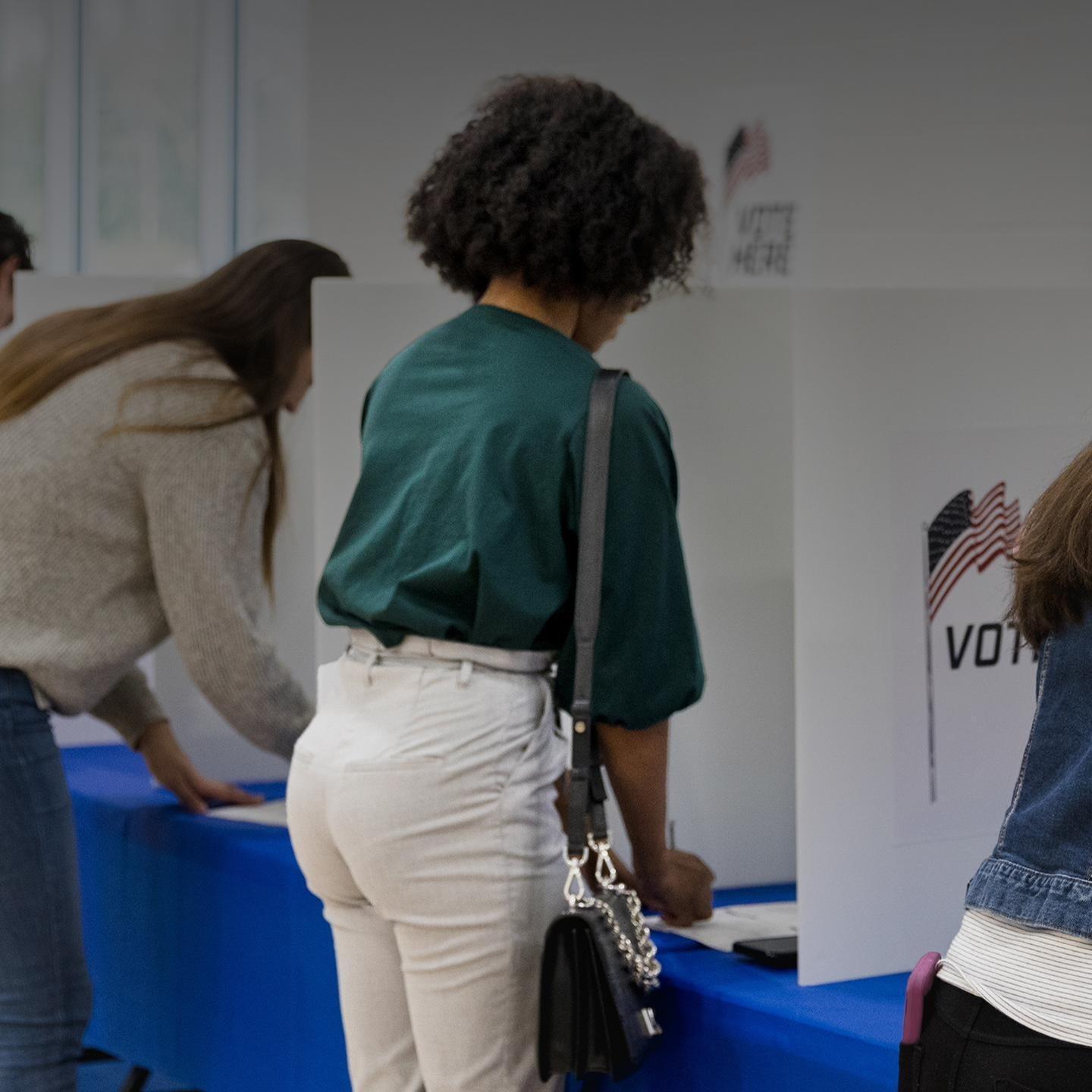
A major part of the canvass is dealing with ballots that weren't immediately counted on election night. This primarily includes provisional ballots and, in many cases, late-arriving mail-in ballots. Provisional ballots are cast when a voter's eligibility is in question—for instance, if their name isn't on the voter roll or they lack the required ID. During the canvass, election officials research each provisional voter to determine if they were eligible to vote. If eligibility is confirmed, the ballot is counted. Similarly, officials verify mail-in ballots by checking signatures and ensuring they comply with state laws. This step ensures that every legitimate voter has their voice heard, even if there was an issue at the polls.
The Bipartisan Board of Canvassers
A key feature of the canvassing process is its bipartisan nature. In many states, county canvassing boards are made up of an equal number of members from the two major political parties. In Michigan, for example, each board has two Democrats and two Republicans. This structure is designed to promote transparency and public confidence. These board members work together to review the aggregated results, correct any obvious mathematical errors, and certify the final vote totals for their county. The entire process is open to public observers from political parties and the media, providing another layer of accountability.
From County Certification to the State
Once a county board of canvassers completes its review and certifies the results, its job is done for local races. For statewide and federal contests, the certified totals are then formally transmitted to the state's chief election official, often the Secretary of State. At the state level, a second canvass takes place, usually conducted by a state canvassing board. This board aggregates the certified results from all counties to produce the final, official statewide tally. This final step is also a mandatory, clerical duty. Once the state canvass is complete, the results are officially certified, and certificates of election are issued to the winners, formally concluding the election process.