



The Statewide Magic Number: A 0.1% Margin
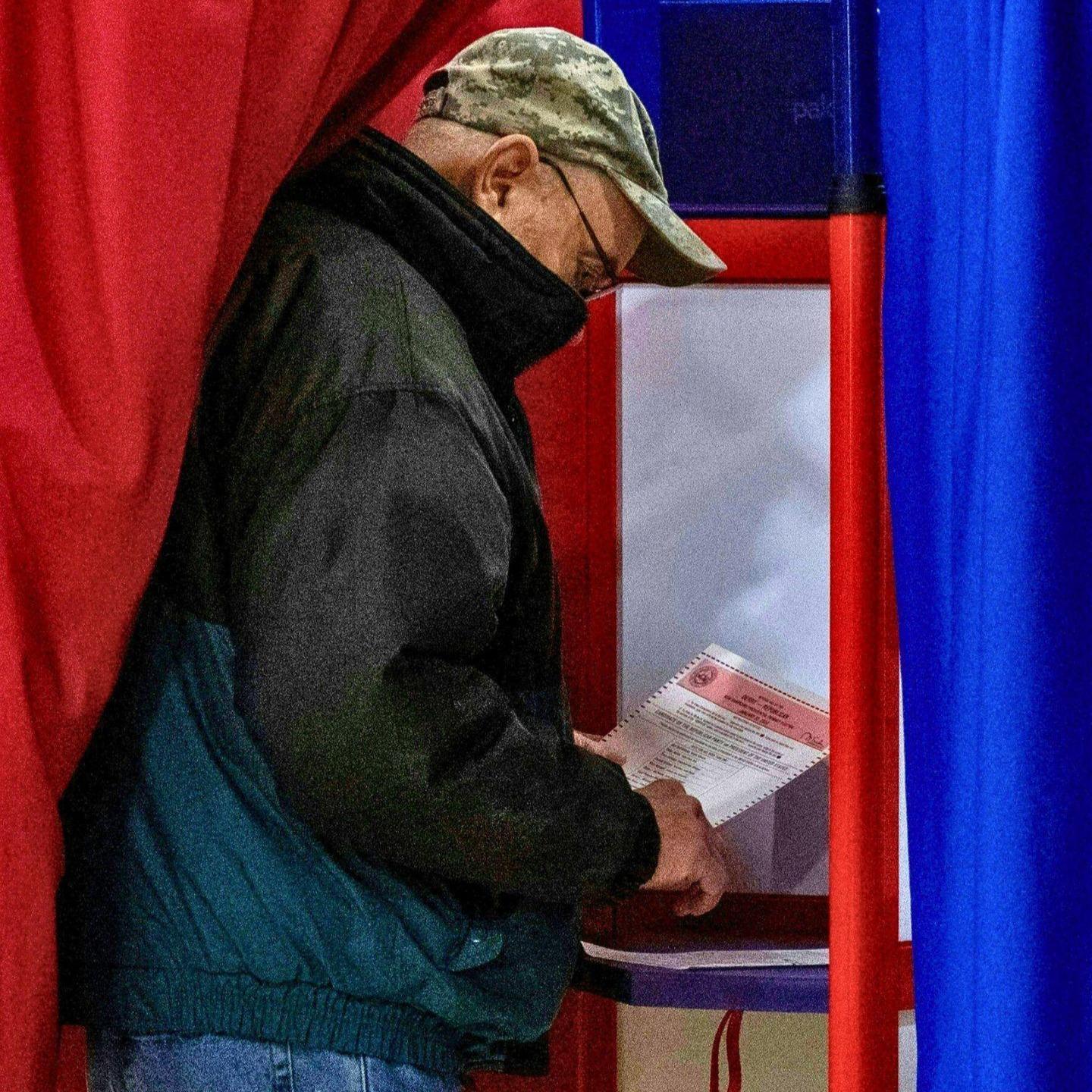
For the biggest races—like for President, U.S. Senator, Governor, or a statewide ballot initiative—an automatic recount is triggered when the final certified vote difference between the top two candidates is 0.1% or less of the total votes cast in that election. This rule replaces an older, fixed 2,000-vote threshold. The percentage-based trigger ensures the rule scales with voter turnout. In an election with five million votes, a 0.1% margin would be 5,000 votes. This process applies to both primary and general elections for statewide offices where only one person can be elected. The recount is conducted at taxpayer expense, underscoring its role as a matter of public interest rather than a candidate's private battle.
State Legislative Races Have Fixed Margins
The rules are different,
and even more precise, for the men and women serving in Lansing. An automatic recount is initiated in a race for the Michigan State Senate if the final vote margin is 75 votes or less. For the Michigan House of Representatives, the trigger is even smaller: a difference of just 25 votes or less will kick off an automatic recount. Unlike the statewide rule, these are fixed numbers, not percentages. These recounts apply to general elections, not primaries. The logic is that in smaller districts with fewer total votes, a tiny number of ballots can genuinely make a difference, and the public has an interest in ensuring the count is exact.
How the Process Begins
An automatic recount isn't instantaneous. First, the county and then the state boards of canvassers must complete their official canvass and certify the election results. Once a race is certified and the final margin is found to be within the automatic recount threshold, the process is set in motion. The state then provides notice to the candidates or ballot question committees involved. However, the process can be stopped. The losing candidate or committee has 48 hours after certification to file a written statement with the Secretary of State requesting that the recount not be conducted. If they don't file this waiver, the recount proceeds automatically.
This Isn't the Only Path to a Recount
It's crucial to understand that these automatic triggers are just one way a recount can happen. A candidate who believes there were errors in the vote count can also petition for a recount, even if the margin is wider than the automatic thresholds. This is known as a requested or petitioner recount. In these cases, the candidate must file a petition alleging a 'good-faith belief' that they have a reasonable chance of winning if not for errors. Depending on the final vote margin, the petitioning candidate may have to pay a deposit for each precinct they want recounted, a cost that is only refunded if the recount changes the outcome of the election.