
What Triggers an Automatic Recount?
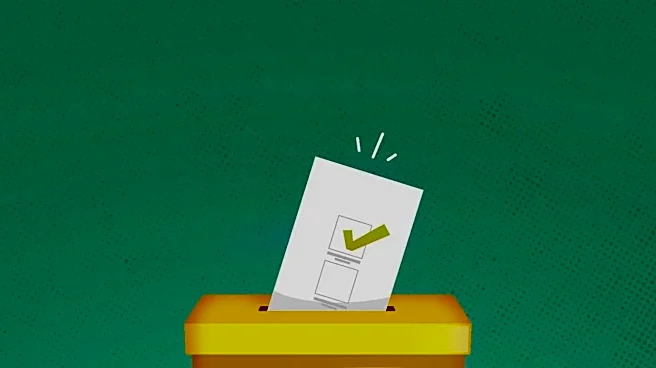
New Mexico law doesn't leave recounts to chance; it builds them directly into the system for exceptionally close races. An automatic, state-funded recount is required when the margin of victory is within
a specific, narrow percentage. The exact threshold depends on the office. For high-profile federal or statewide races (like for U.S. Senator or Governor) and statewide ballot questions, the margin must be less than 0.25% of the total votes cast. For certain judicial, district, and county-level offices, the trigger is a slightly wider margin of less than 0.5%. For most other local races, including state legislative seats, the margin for an automatic recount is less than 1% of the total vote, or if the difference is a mere five votes or fewer. These recounts are ordered by the State Canvassing Board after the initial vote tallies are complete.
Can a Candidate Request a Recount?
Yes, even if a race doesn't meet the tight margins for an automatic recount, a candidate can still ask for one. A candidate who believes that errors or fraud may have affected the outcome in specific precincts can file a request for a recount. This isn't an unlimited window; the request must be filed within six days after the official canvass of the vote is completed. Unlike an automatic recount that covers the entire race, a candidate can choose to request a recount in all or just certain precincts where they suspect issues may have occurred. This provides a targeted way to address specific concerns without necessarily re-tallying every single ballot in the district or state.
Who Pays for the Process?
The funding source for a recount depends entirely on how it was initiated. Automatic recounts, triggered by close margins, are considered an essential part of the election process and are paid for by the state. However, when a recount is requested by a candidate, the financial responsibility shifts. The candidate who files the request must put down a deposit or a surety bond sufficient to cover the estimated cost of the proceeding. If the recount ultimately changes the winner of the election, the deposit is refunded, and the state or county bears the cost. But if the original outcome stands, the candidate who requested the recount forfeits the deposit and is responsible for the actual costs incurred.
How the Votes Are Actually Re-Tallied
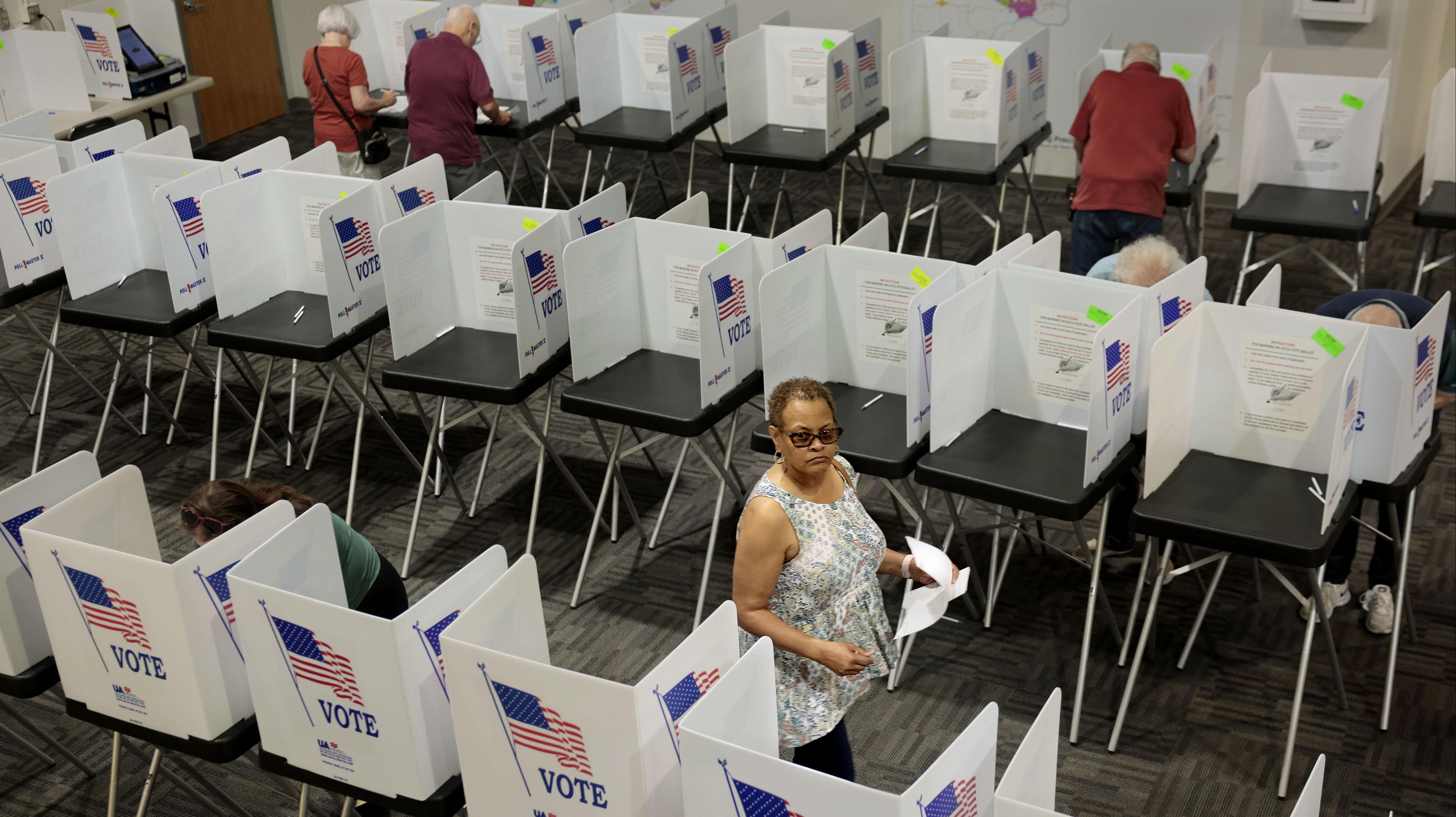
The physical process of recounting is a careful, multi-step affair designed to verify the machine count. New Mexico uses paper ballots that are initially read by optical scanners. For a recount, officials don't just press the same button again. The process begins by taking a random sample of ballots from the race in question and tallying them by hand. The results of this hand count are then compared to the results from the electronic vote tabulator for that same sample. If the numbers match, it confirms the machine is working correctly, and the remaining ballots are recounted using the same tested tabulating system. If the hand count and machine count differ, it signals a potential issue. In that case, the electronic system is set aside, and the remaining ballots must be recounted by hand or on a different, verified machine.
Who Oversees the Integrity of the Recount?
A recount isn't conducted in a back room; it's a formal and observable process. The entire system is overseen by the State Canvassing Board, a powerful three-person panel composed of New Mexico's Governor, Secretary of State, and the Chief Justice of the state Supreme Court. This board certifies the initial election results and officially orders any necessary recounts. The actual work of re-tallying ballots is conducted by local precinct boards, typically in the presence of the county clerk and a district judge. Crucially, the process is open to observation. Representatives for the candidates, political parties, and other interested organizations are permitted to be present to watch the proceedings, ensuring a transparent and accountable process from start to finish.