

The Ground Rules: Who Qualifies to Watch?
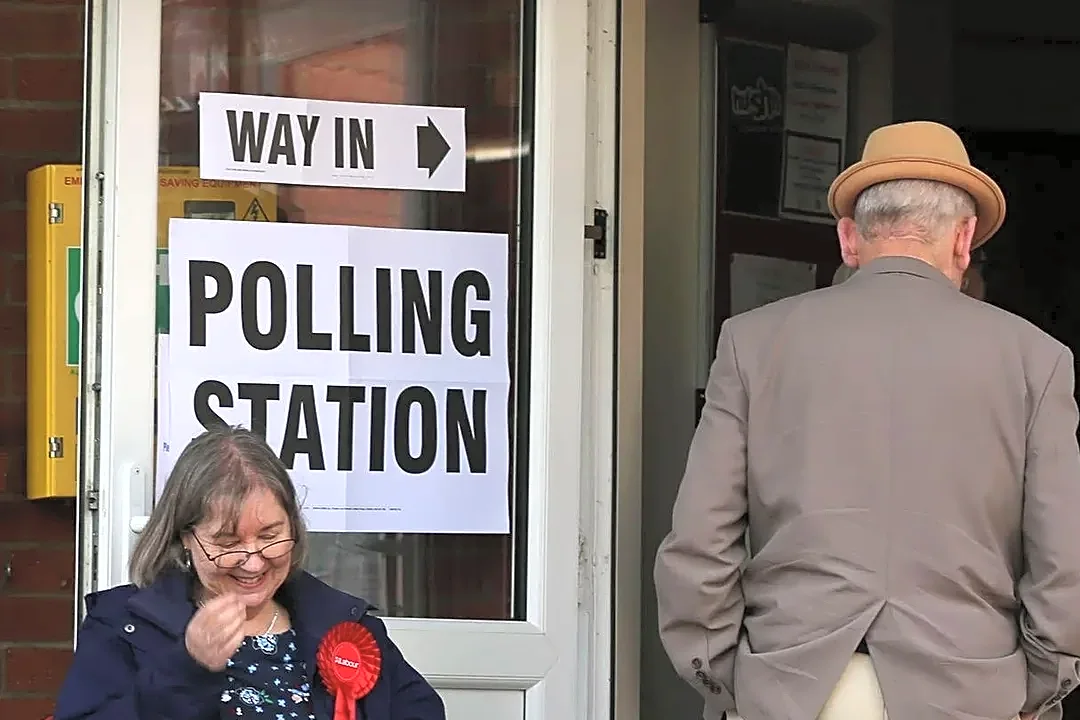
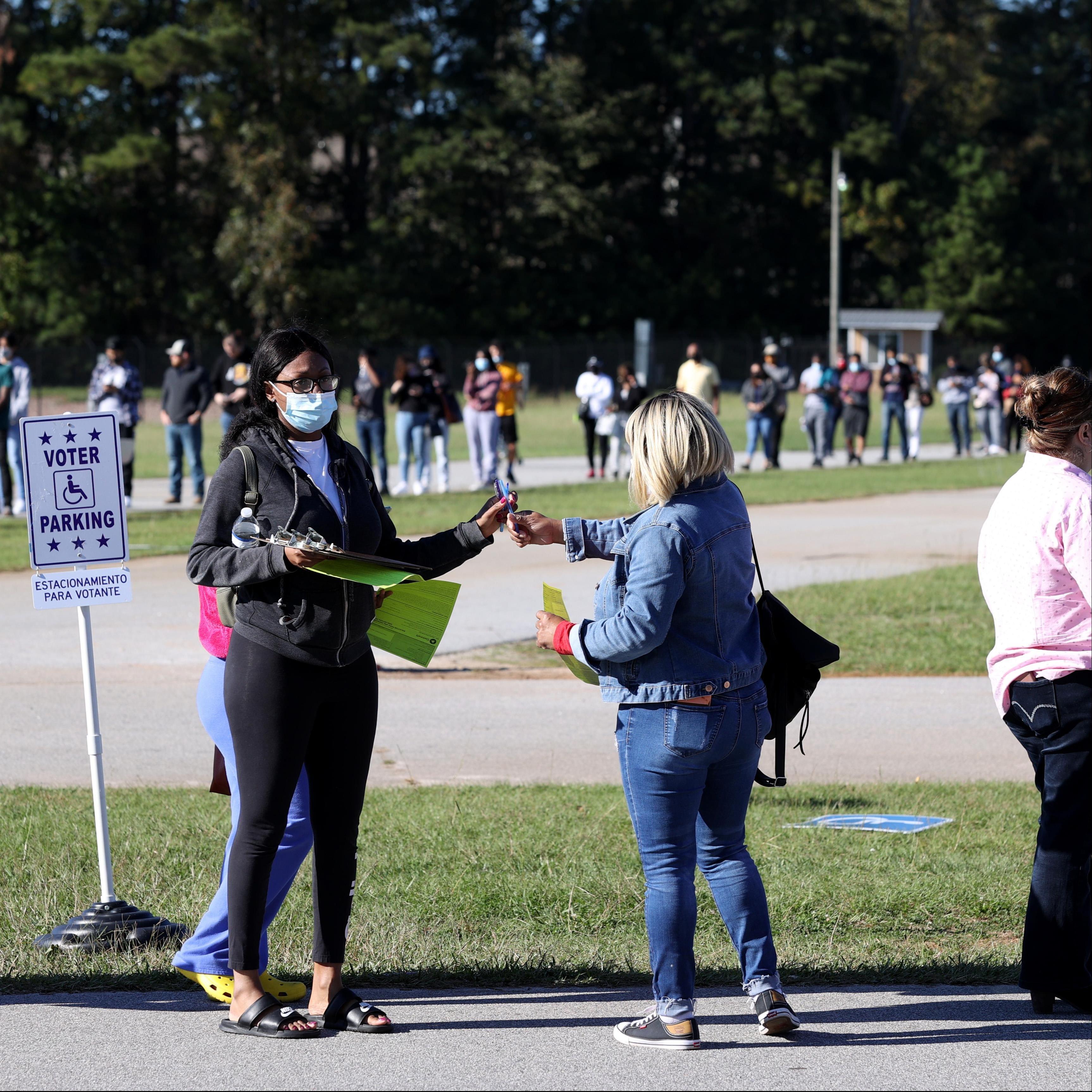
You can’t just walk in off the street and demand to observe the vote count. In Iowa, these observers, often called 'poll watchers', must be officially appointed. The main groups that can designate observers are political parties, non-party political organizations with a candidate on the ballot, and the candidates themselves. Typically, the two major political parties are allowed to appoint up to three observers per polling location, while other organizations and candidates can usually appoint one. For post-election audits, representatives from the two parties that received the most statewide votes are invited to observe the hand count. There are also some restrictions: a candidate on the ballot cannot serve as an observer, nor can a current
officeholder if that office is up for election. The individuals chosen must also be registered voters in that county to make a formal challenge.
The Observer's Playbook: What's Allowed?
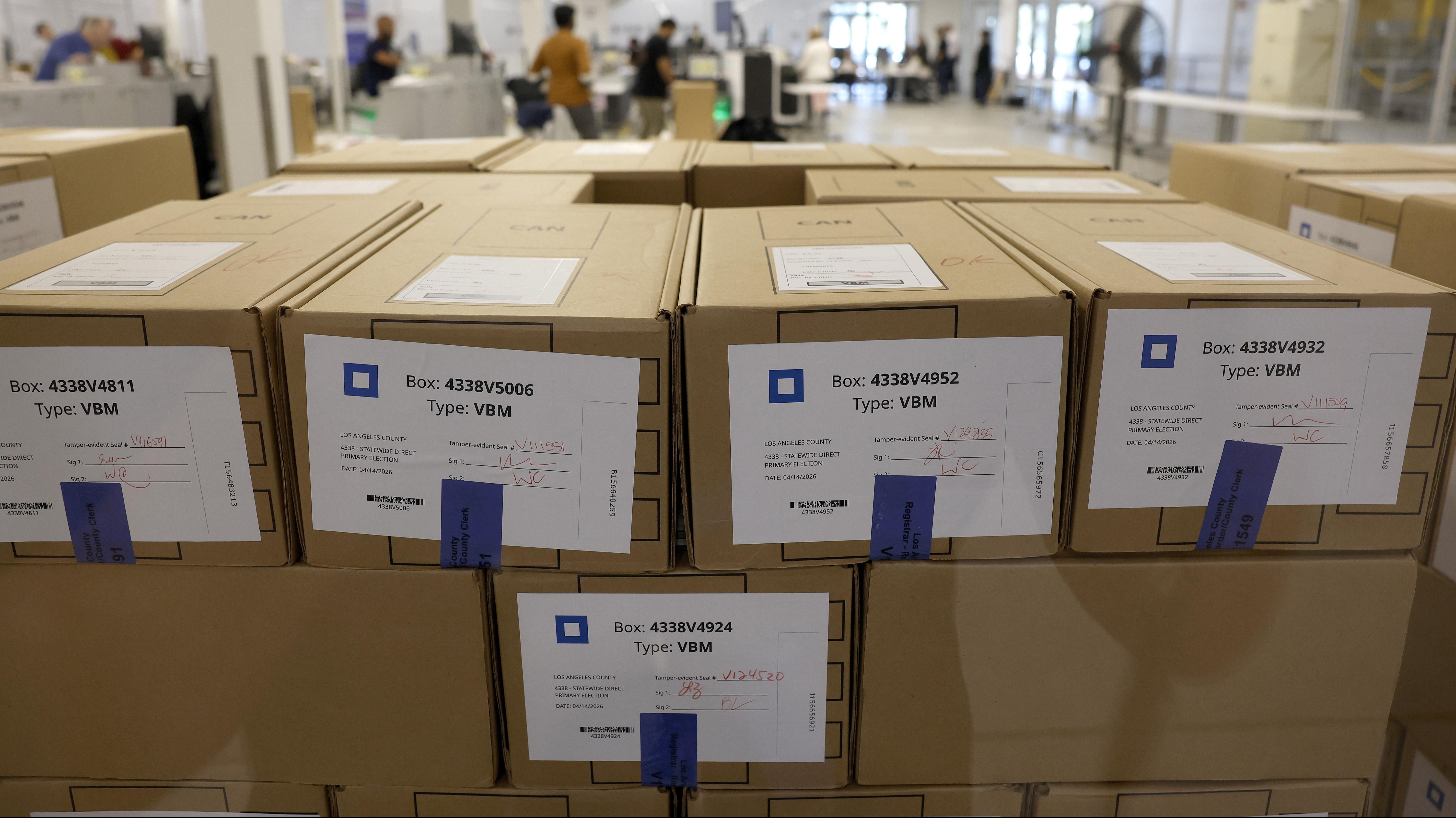
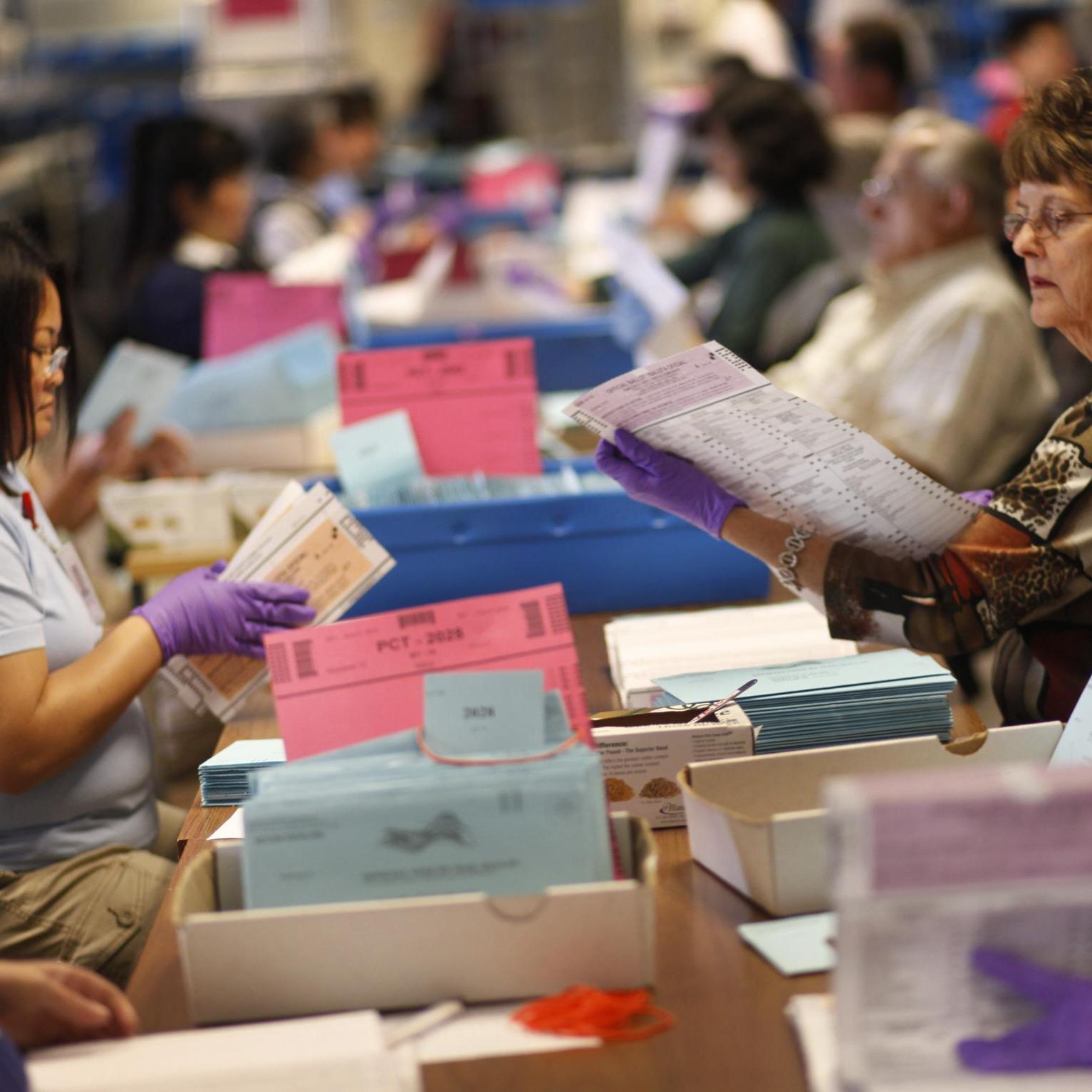
The role of an observer is just that—to observe. Their primary function is to watch the process to ensure everything is conducted according to law. They can sit or stand in designated areas to get a clear view of election officials as they work. Observers are permitted to take notes and look at things like voter rosters to see who has and has not voted. If an observer believes a voter is not qualified, they don't confront the person directly. Instead, they can initiate a formal challenge by filling out an official form and presenting it to the precinct election officials. Those officials then handle the situation, though they may permit the challenger to ask the voter specific questions about their age or residency. During the absentee ballot count, observers can be in the room, but they cannot interfere or even communicate the progress of the count.
Crossing the Line: What's Forbidden?
The list of what observers cannot do is much longer than the list of what they can. The guiding principle is non-interference. Observers are strictly prohibited from handling ballots, touching voting equipment, or inspecting a voter's identification documents. They cannot talk to voters in line, argue with election officials, or disrupt the proceedings in any way. Wearing campaign buttons, stickers, or any other political clothing is also forbidden for observers and election staff. The goal is to prevent any action that could be perceived as voter intimidation, electioneering, or an attempt to hinder the work of the officials running the polling place. If an observer becomes disruptive, a precinct official has the authority to have them removed.
The Reason for the Rules
Iowa's system of regulated observation is designed to strike a crucial balance. On one hand, allowing designated representatives to watch the process fosters public trust and transparency. It creates a mechanism for political parties and candidates to have confidence that the election is being run fairly and impartially. On the other hand, the strict rules and limitations are in place to protect the sanctity and security of the vote itself. The regulations ensure that observers do not become participants, safeguarding voters from intimidation and protecting election officials from interference that could slow down the process or lead to errors. This structured approach allows for a public window into the mechanics of democracy without letting that window be a source of disruption or undue influence on the outcome.