




The First Results Arrive Just After Polls Close
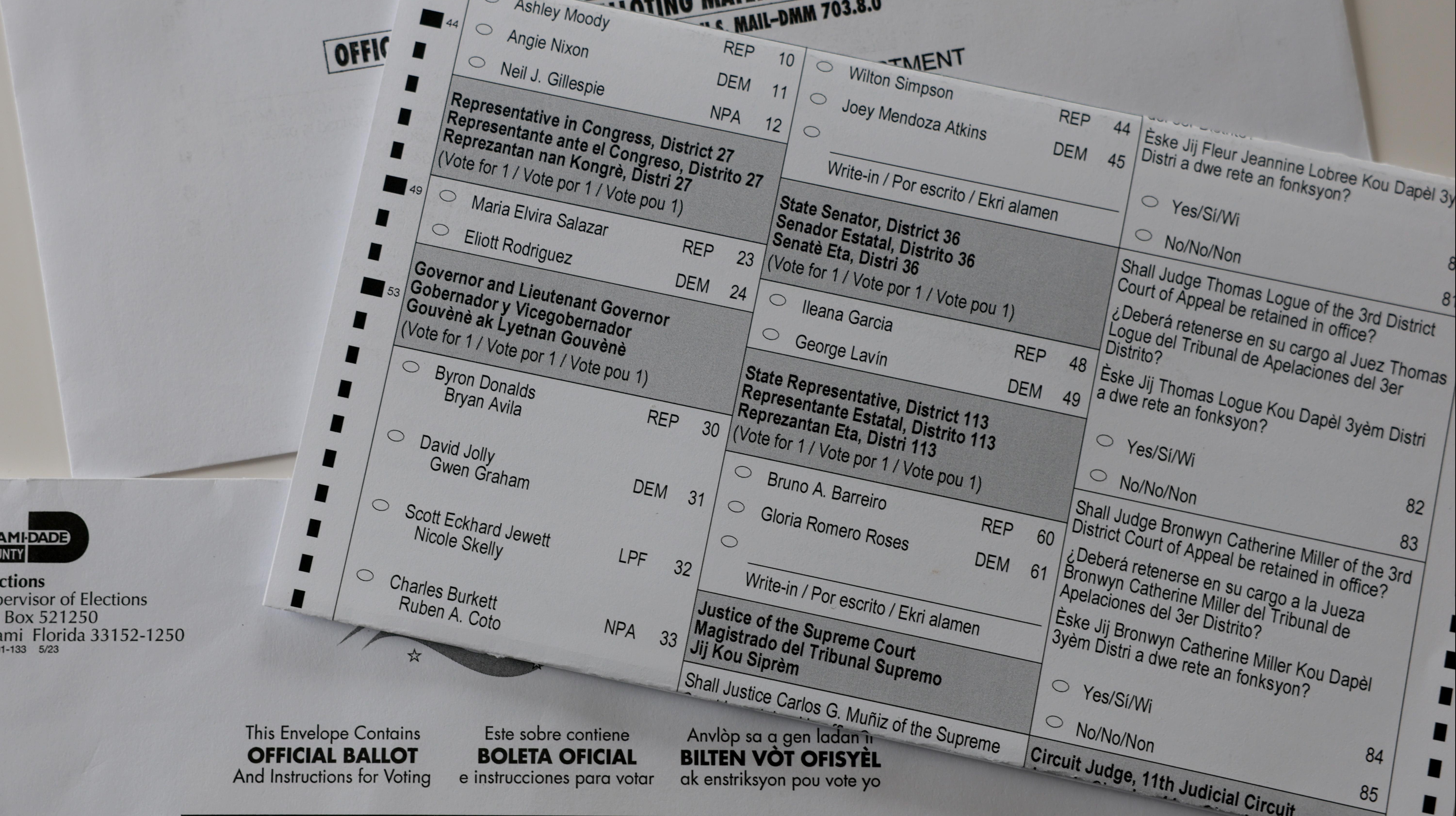
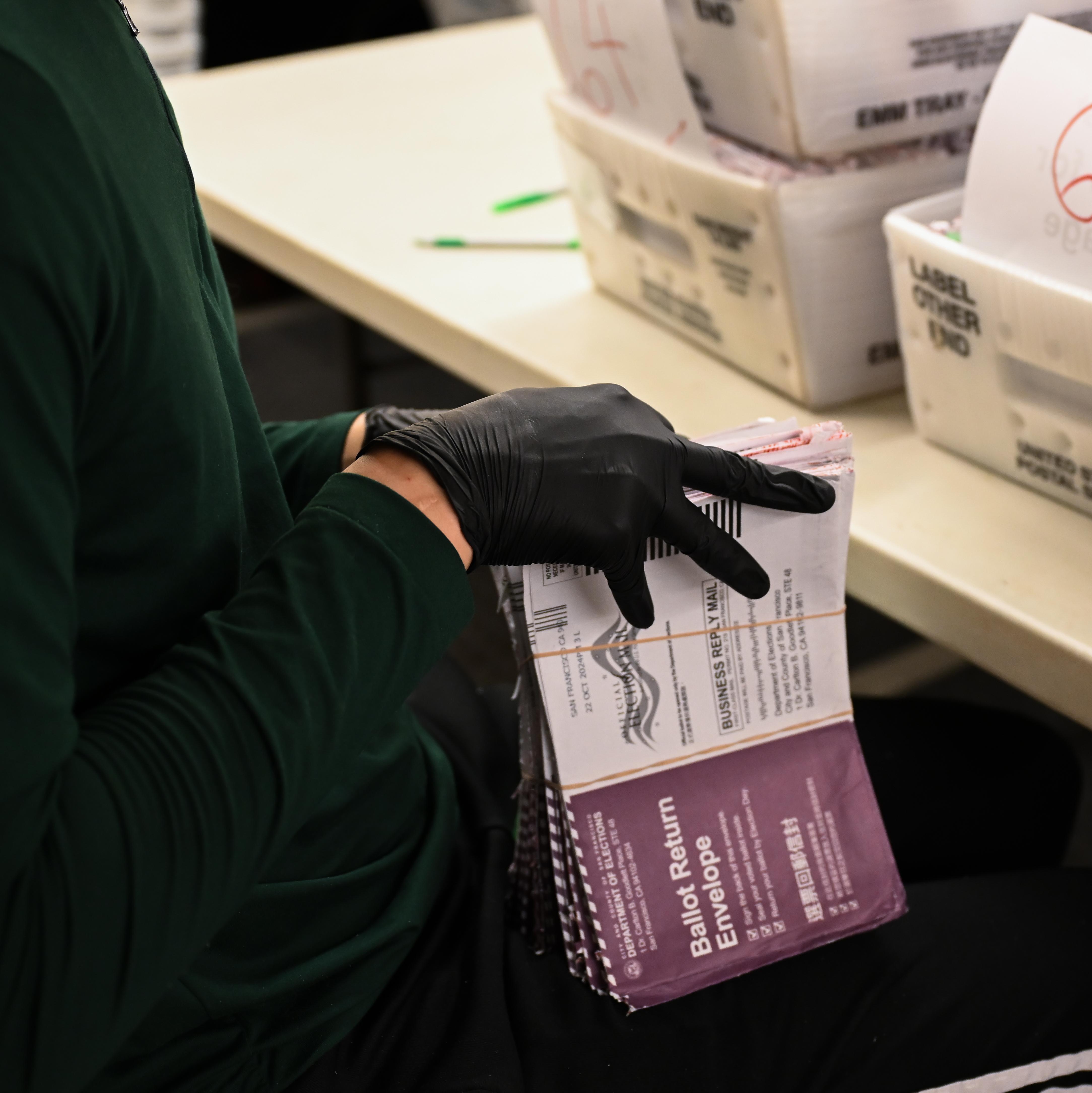
In Ohio, polls close at 7:30 p.m. EST. Shortly after, the first significant batch of results is published online by the Ohio Secretary of State and the state's 88 county boards of elections. This initial release is not a random sample of Election Day votes. Instead, it exclusively contains the results from absentee ballots (both mail-in and in-person early votes) that have been received and processed before Election Day. State law permits county boards to process these ballots ahead of time—verifying signatures, opening envelopes, and even scanning the ballots—but they cannot actually tabulate or count the votes until the polls have closed. This preparation allows for a large number of votes to be reported almost immediately.
The Pace of Updates Throughout the Night
After the initial
release of absentee and early votes, the rhythm of reporting changes. From this point forward, the updates consist of votes cast in person at polling places on Election Day. These results come in from individual precincts as they finish their counts and report them to their county board of elections. Each of the 88 counties then compiles these results and sends them to the Secretary of State. The frequency of these updates can vary by county, but the process is designed to be continuous throughout the night. The Secretary of State's office provides a live results website that aggregates totals for statewide races, showing not just the vote counts but also how many precincts have reported. This gives viewers a clearer picture of how much of the vote is still outstanding.
Understanding Potential 'Mirages'
Because different types of votes are reported at different times, the leader in a race can change as the night progresses. The large, initial batch of early and absentee votes might favor one party, while the precinct-by-precinct results from Election Day voting could favor another. This phenomenon can create a 'red mirage' or a 'blue mirage,' where one candidate appears to be leading comfortably early on, only for that lead to shrink or disappear as more votes are counted. It is a predictable feature of the count, not an indication of a problem. Observers who understand this reporting sequence are better equipped to interpret the results without jumping to premature conclusions.
What '100% of Precincts Reporting' Really Means
When a news organization or the Secretary of State's website reports that 100% of precincts have reported, it signifies that all Election Day polling locations have submitted their counts. However, this does not mean every vote has been counted. There are still categories of ballots that are handled in the days following the election. These include provisional ballots—cast when a voter's eligibility is in question—and valid military and overseas ballots that arrive after Election Day but are still eligible to be counted under law. Provisional ballots, for example, can be 'cured' if a voter provides any missing information to the board of elections within four days.