




The Short Answer: Yes, With Conditions
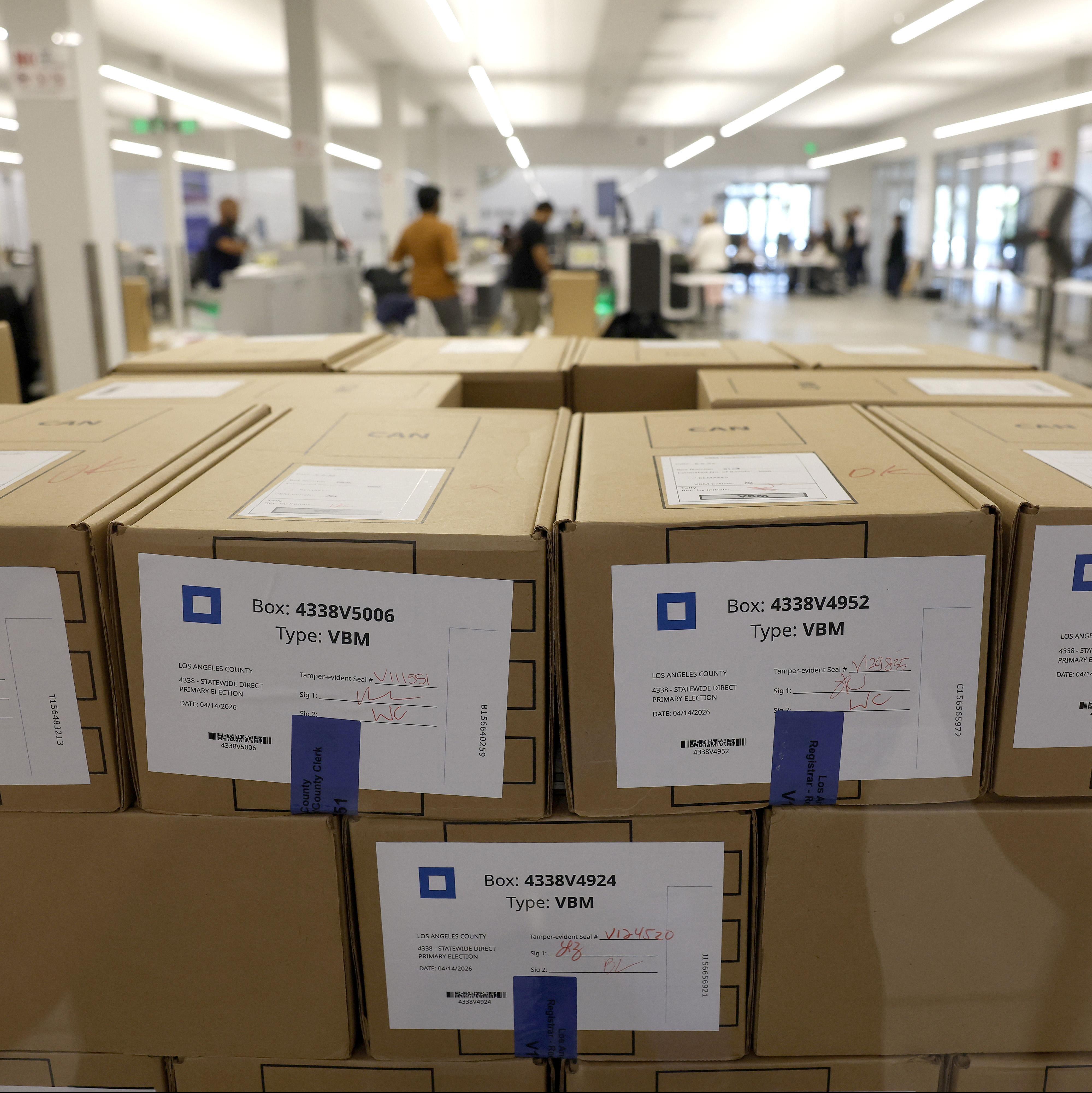
Mississippi law explicitly allows for the observation of election proceedings, including the counting of ballots. However, access is not a free-for-all for the general public. Instead, the state has a structured system defining who can be an official observer, known as a 'poll watcher'. According to state law, these individuals must be formally credentialed. The proceedings at a central counting center are explicitly required to be conducted under public observation, ensuring a layer of transparency over the tabulation process.
Who Gets to Be a Poll Watcher?
The rules for who can serve as a poll watcher are specific. In all primary, general, and special elections, each candidate on the ballot is entitled to designate one poll watcher per polling place. A candidate can also
choose to serve as their own poll watcher. In general elections, recognized political parties with a candidate on the ballot may have two poll watchers present at each location. All watchers must be authorized in writing by the candidate or party they represent and present these credentials to election officials upon arrival. This system is designed to provide oversight from those with a direct stake in the election's outcome.
What Observers Can See and Do
The primary role of a poll watcher is to 'see and hear the manner in which the election is conducted'. Election officials must provide them with a suitable position to clearly observe the process. This includes watching as ballots are processed and counted. Observers have the right to challenge the qualifications of a person offering to vote, and election managers are required to act on that challenge. They are also permitted to bring their own pollbooks, in print or electronic form, to keep notes and track the proceedings. This access is fundamental to their function of verifying that procedures are followed correctly.
What Observers Cannot Do
The right to observe comes with strict limitations to prevent interference and protect voter privacy. Poll watchers are expressly forbidden from communicating with voters, touching or handling any ballots or related election materials, and interfering with the work of election officials. They are also prohibited from photographing pollbooks or receipt books at the polling place. The law creating this role is clear: the goal is observation, not participation or disruption. A designated poll manager, the Bailiff, is responsible for enforcing these rules and ensuring the integrity of the process is maintained.
The Balance Between Transparency and Security
Mississippi's legal framework for poll watchers and election observers aims to strike a critical balance. On one hand, allowing candidates and parties to witness the process firsthand builds confidence and provides a mechanism for accountability. It ensures that the counting isn't happening in a black box. On the other hand, the strict rules and prohibitions are in place to safeguard the election itself. They prevent intimidation, protect the secrecy of each person's vote, and ensure that the official count can proceed in an orderly and secure fashion without outside interference. The entire system is built on the idea that transparency and security are not mutually exclusive but are, in fact, two sides of the same coin in a trustworthy election.