
The Process Begins at the Local Level
The first official step after an election belongs to Maryland's 24 local boards of elections—one for each county and Baltimore City. These bipartisan boards are responsible for conducting the initial count,
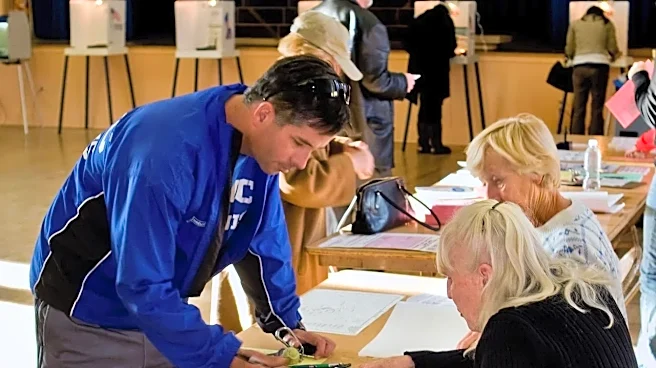
known as the canvass. This isn't just a simple tally of the votes cast in person on Election Day. The canvassing process is a meticulous and public review that includes counting mail-in ballots, which can begin even before Election Day, and processing provisional ballots. These meetings, called canvasses, are open to the public to ensure transparency.
Decoding the Canvass
Canvassing is the official term for verifying and counting all valid ballots. Local boards start processing mail-in ballots weeks before the election to get a head start. After Election Day, their work continues as they count mail-in ballots that arrive up until the legal deadline (10 a.m. on the second Friday after the election, if postmarked by Election Day) and review provisional ballots. Provisional ballots are cast by voters whose eligibility couldn't be confirmed at the polling place, and the local board must determine if they are valid. This entire, painstaking process ensures every legitimate vote is counted accurately before any results are finalized.
The First Certification Deadline
Once a local board has completed its canvass and accounted for all valid mail-in and provisional ballots, it officially certifies the results for its jurisdiction. Under Maryland law, each local board must certify its results by the second Friday after the election. If for some reason the canvassing process takes longer, they must certify within 48 hours of its completion. This certified statement is then transmitted to the State Board of Elections, marking the end of the local phase and the start of the statewide compilation.
The State Takes the Baton
Once all 24 local jurisdictions have sent in their certified numbers, the process moves to the state level. A body known as the Board of State Canvassers convenes to review the work of the local boards. This board is composed of several statewide officials, including the State Treasurer, Comptroller, Attorney General, and the Clerk of the Supreme Court. Their job is not to recount votes but to aggregate and review the certified results from every county, ensuring all the paperwork is correct before preparing a final, statewide statement of the votes cast.
Final Certification by the State Board
The Board of State Canvassers must meet within 35 days of the election to complete its review and prepare the official statewide results. They then deliver this certified statement to the Maryland State Board of Elections. The State Board of Elections formally certifies the final results for all federal, state, and multi-county races. Following this certification, the State Board issues certificates of election to the winning candidates, officially declaring them the victors. For gubernatorial elections, this process solidifies who will become Maryland's next governor.
The Governor’s Role: A Final Proclamation
The final step in the process is the governor's proclamation. After the State Board of Elections certifies the results, the governor issues certificates of election to the winners. This is a formal, largely ceremonial duty that officially proclaims the certified results of the election. While the substantive work of counting and verifying is done by the local and state election boards, the governor's proclamation serves as the ultimate public affirmation of the election's outcome, closing the loop on a months-long democratic process.