




It All Starts at the County Level
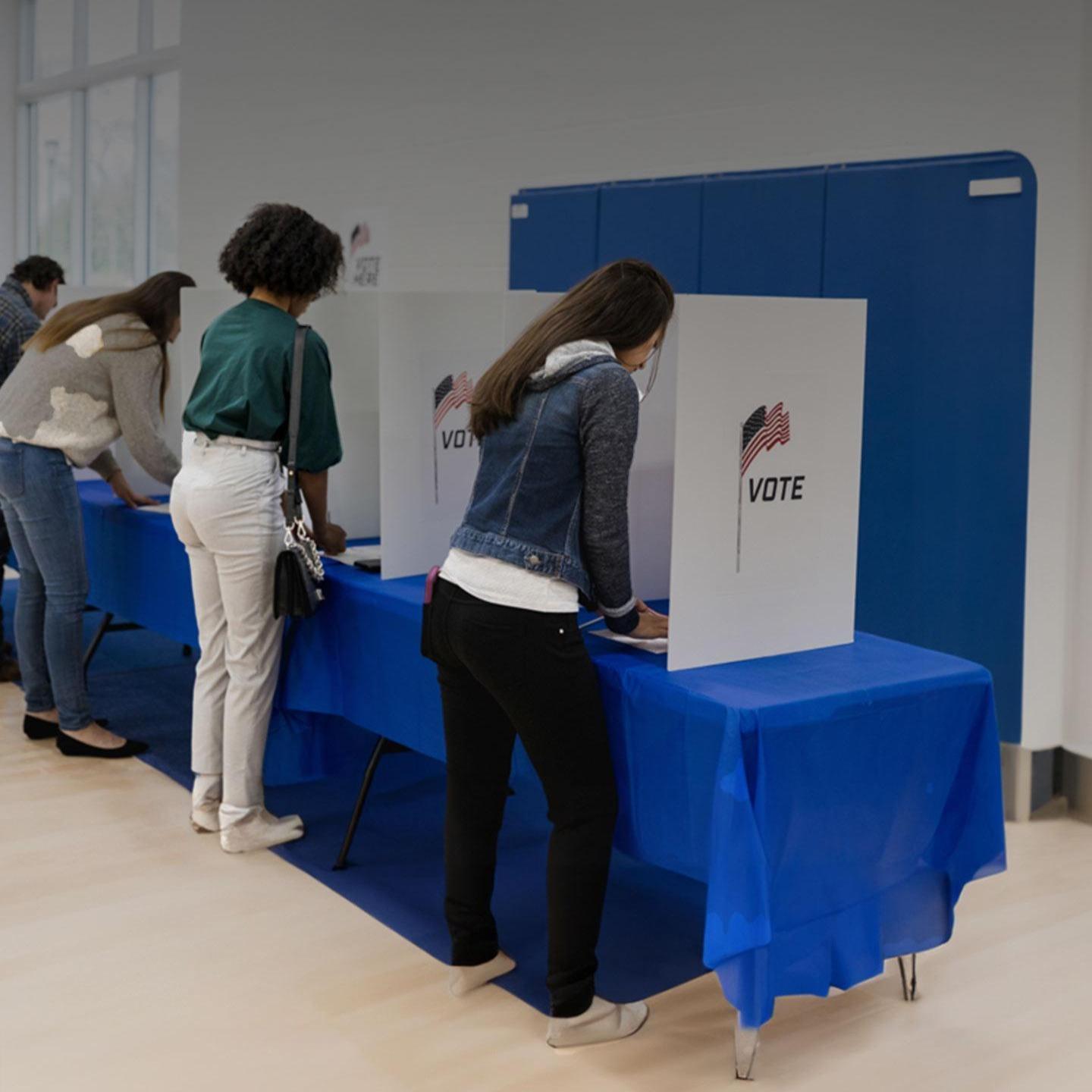
The first official step in counting the vote happens close to home. In each of Indiana’s 92 counties, a bipartisan County Election Board is responsible for the initial canvass and certification. This board is typically composed of the county circuit court clerk and two other members, one from each of the two major political parties. Their job is to oversee the entire local election process, from preparing ballots to tabulating the votes from every precinct and every validly cast absentee ballot. These local officials are the first to formally verify the vote totals within their jurisdiction, ensuring every ballot is accounted for before the numbers move up the chain.
The State Steps In: The Secretary of State's Role
Once each county has certified its results, the process moves to the state level.
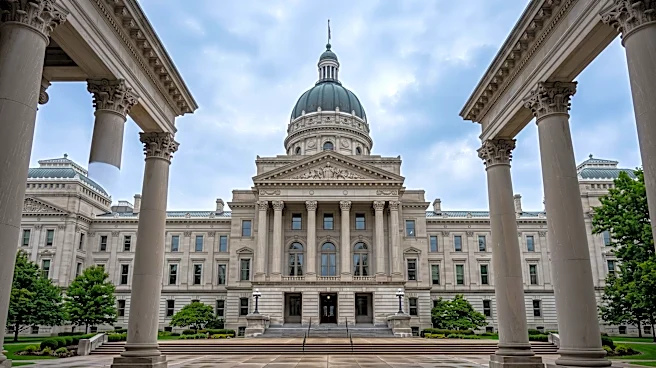
The Indiana Secretary of State is the state's chief election officer, tasked with overseeing state elections and preserving election records. The circuit court clerk from each county must prepare a certified statement of the vote counts for all federal, state, and legislative offices and send it to the Indiana Election Division, which operates under the Secretary of State. This creates a centralized, official pipeline of information, ensuring that results from every corner of the state are compiled in one place for the final statewide tally.
Mark Your Calendar: The Official Deadlines
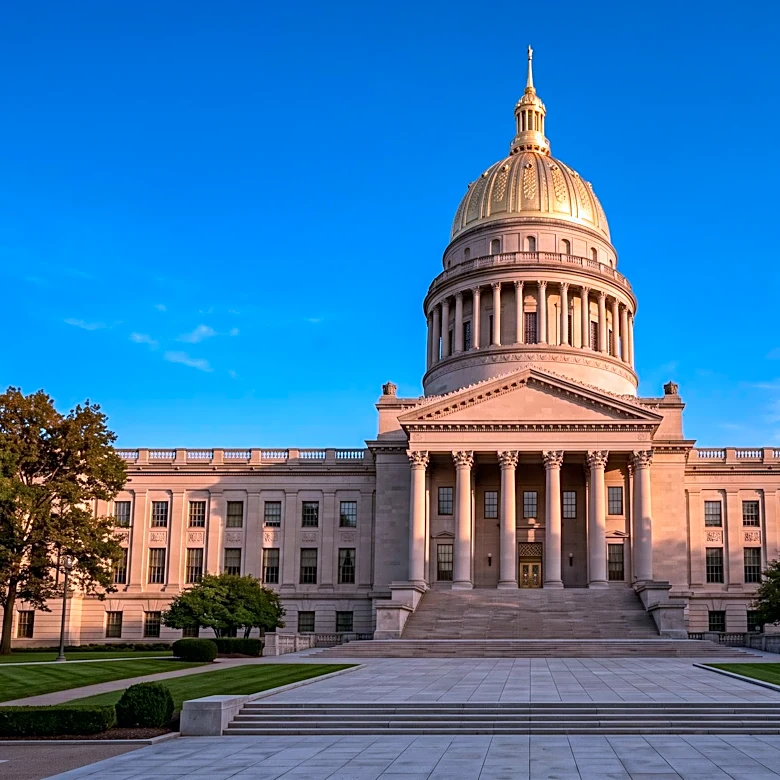
Indiana law sets firm deadlines for this process to ensure a timely and orderly conclusion to the election. County circuit court clerks have until noon on the second Monday following the election to prepare and transmit their certified vote statements to the state's election division. Following this, the state has its own deadline. For the 2026 general election, the Indiana Election Division must tabulate the votes for statewide offices by noon on Tuesday, November 24, 2026. Immediately after this tabulation is complete, the Secretary of State officially certifies the candidate who received the most votes for each office and delivers that certification to the governor. For the offices of governor and lieutenant governor, the results are canvassed and certified by the State Legislature.
Checks and Balances: Recounts and Contests
The system also has built-in procedures for when results are extremely close or when irregularities are alleged. A candidate has the right to file a petition for a recount. This petition typically must be filed by noon on the day after the certification, or within 14 days of the election. If a recount is requested, the Indiana Recount Commission, a separate body, will conduct the new tally. The result is not final until this commission certifies the recount totals. This provides a crucial check on the initial count, offering a legal and transparent path to resolve disputes and ensuring public confidence in the final outcome. Any errors found in the certification that are not related to a recount can also be challenged in court by a voter.