




First, What Is a Canvass?
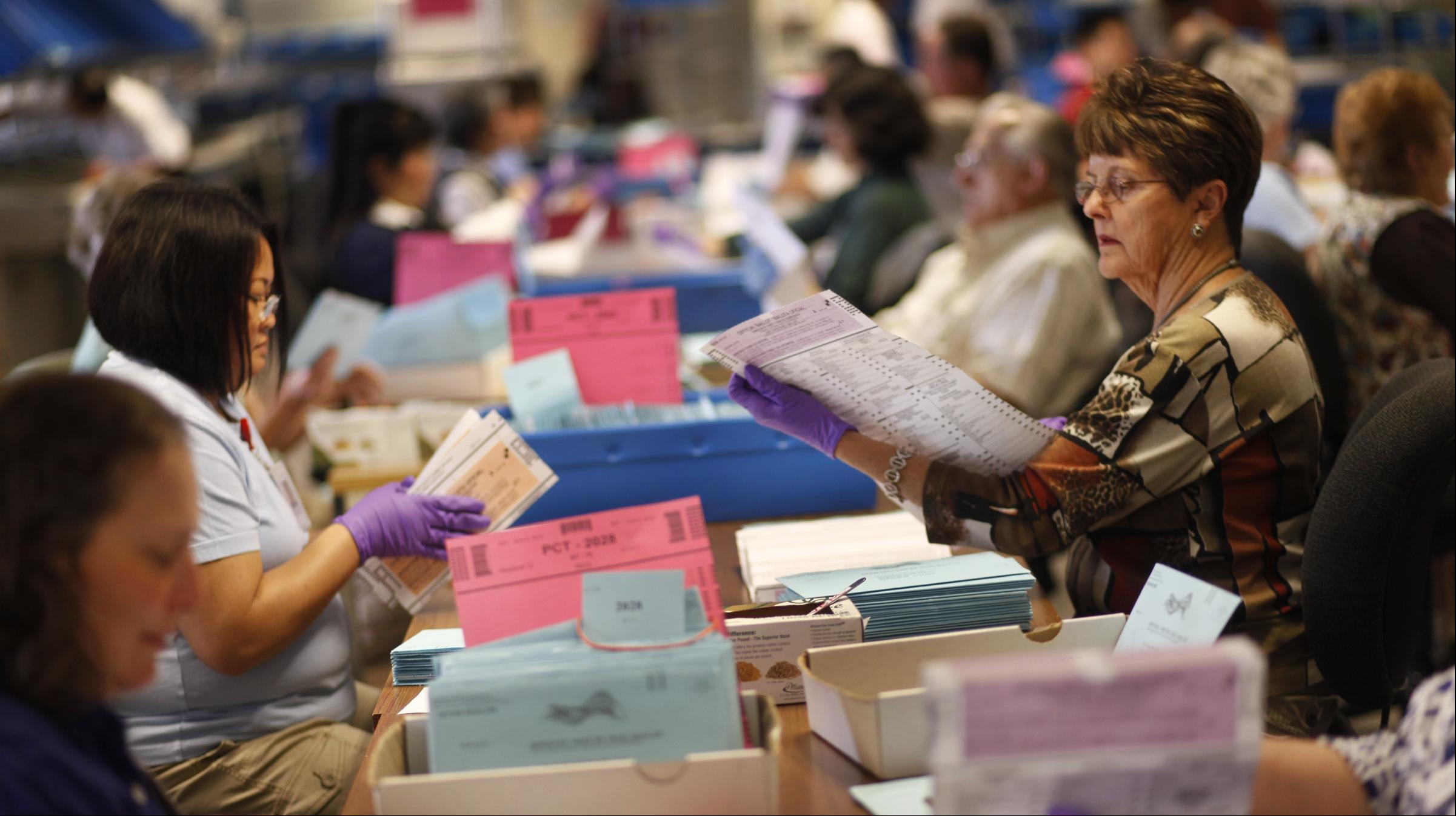
Before diving into timelines, it’s crucial to understand what a canvass actually is. It is not a recount. Rather, a canvass is the formal, legally mandated process of verifying and certifying election results. Local election officials methodically check that the number of ballots cast matches the number of voters who signed in at the polls. They account for every type of ballot—in-person, absentee, and provisional—and ensure all valid votes are included in the final tally. This meticulous review is what transforms the unofficial numbers you see on election night into the final, legally binding outcome. It’s a bipartisan process designed to ensure accuracy and public confidence before any winner is officially declared.
The First Deadline: County Canvassing Boards
The process begins at the
local level. In Minnesota, the law gives county canvassing boards a specific window to do their work. These boards must meet between the third and tenth day after a general election. The board is typically composed of county and city officials, such as the county auditor, court administrator, the mayor of the largest city, and two county board members. They publicly review the vote totals from every precinct within the county, resolve any discrepancies, and compile an official report. Once finished, they certify the results for local offices. For races that cross county lines—like for a U.S. Representative or Governor—they immediately transmit their certified report to the Secretary of State, kicking off the next and final phase.
The Final Answer: The State Canvassing Board
This is where the process culminates for all major statewide and federal races. The Minnesota State Canvassing Board is scheduled to meet on the 16th day following the state general election. If that day falls on a holiday, they meet on the next business day. This board, which includes the Secretary of State and judicial representatives, takes the certified reports from all 87 counties and canvasses them to determine the final, official statewide result. Within three days of completing their canvass, the board formally declares the winners for U.S. Senator, U.S. Representative, Governor, and other state-level offices. This marks the definitive end of the vote-counting process.
Why This Deliberate Pace Matters
The staggered deadlines—first for counties, then for the state—might seem slow in an age of instant information, but the timeline is a feature, not a bug. It builds in the necessary time for a thorough, human-led review of a complex process. Rushing certification would risk introducing errors, while a transparent, methodical canvass ensures that the final result is trustworthy and can withstand legal and public scrutiny. This process also sets the stage for any potential challenges or recounts. An automatic recount is only triggered if the final certified margin is exceptionally close, so the canvass must be completed first to establish that official margin.
What About Audits and Recounts?
It's easy to confuse these terms, but they represent distinct processes. The canvass confirms the initial machine count is accurately reported. After that, Minnesota law also mandates a 'post-election review,' which is a hand count of ballots in randomly selected precincts to audit the accuracy of the voting equipment. This review must happen between the 11th and 18th day following the election, running on a parallel track to the state certification. A recount, on the other hand, is a complete retabulation of votes for a specific race. It only happens if the canvass reveals a razor-thin margin or if a candidate formally requests one under specific legal conditions. The canvass and audit are routine procedures; a recount is an extraordinary one.