



The First Results Are Local
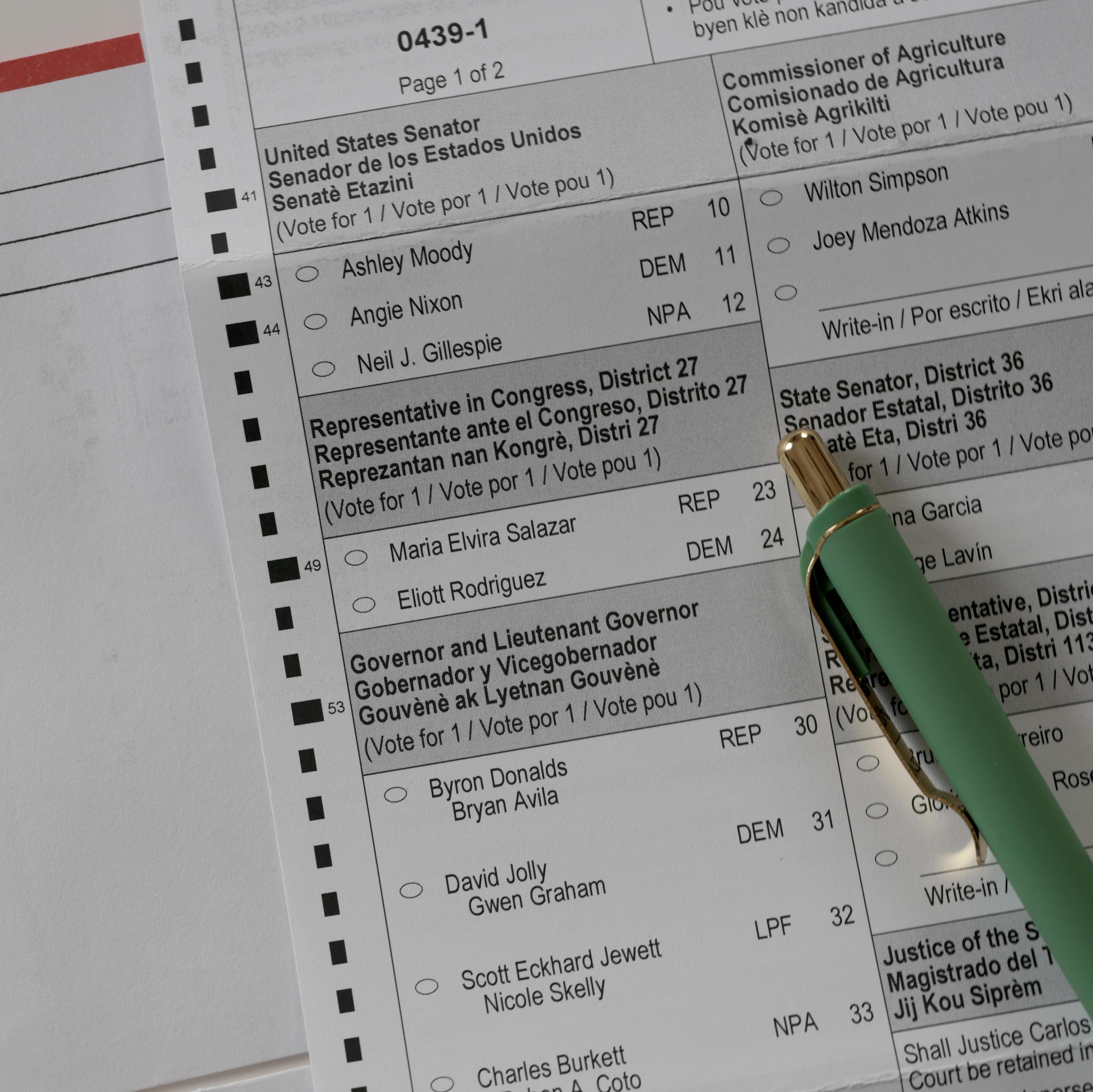
On election night in Maine, there is no single, central, state-run website that provides a live feed of unofficial results as they come in. Instead, the process is highly decentralized. Elections are conducted and initially reported at the municipal level by Maine's 487 towns and cities. After polls close at 8 p.m., local election wardens are required to post the vote counts publicly at the polling place. These initial reports are what news organizations, like The Associated Press and local outlets, use to build their own unofficial statewide tallies throughout the night. So, the first numbers you see are often from smaller, rural towns that can count their ballots more quickly. As the night progresses, results from larger cities like Portland
and Bangor start to come in, providing a clearer picture.
The State's Role: Accuracy Over Speed
The Maine Secretary of State’s office prioritizes accuracy over instantaneous reporting. While municipalities post their results locally on election night, they have two business days to formally submit their certified returns to the state. The Secretary of State's office then begins a verification process. It does not publish unofficial results. Instead, it works to tabulate and certify the official results, a process that can take up to 20 days by law. This deliberate approach ensures that the final numbers released by the state are correct and verified, avoiding the potential confusion of releasing partial data that might later need correction. So while media outlets provide the running tally, the state provides the final, authoritative word.
How Absentee Ballots Are Handled
Maine allows any registered voter to cast an absentee ballot without needing a specific reason. Municipalities can begin processing these ballots—verifying signatures and preparing them for counting—up to seven days before Election Day. However, none of these ballots are actually counted until after the polls close at 8 p.m. on election night. Once polls close, absentee ballots are tabulated along with the in-person votes. To be counted, a returned absentee ballot must be received by the municipal clerk by 8 p.m. on Election Day, regardless of when it was postmarked. In busy elections with high volumes of absentee voting, the time it takes to count all of these ballots can sometimes extend the reporting process late into the night or even into the next day for some municipalities.
The Ranked-Choice Voting Factor
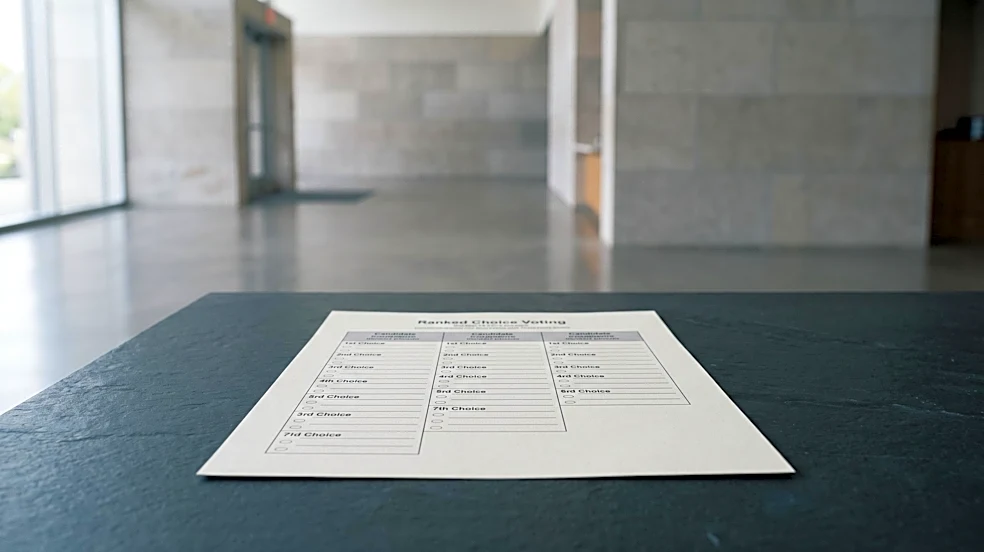
Maine's use of ranked-choice voting (RCV) in federal elections and state primaries adds another layer to the process. On election night, clerks only report the first-choice selections from voters. If a candidate in an RCV race secures more than 50% of these first-choice votes, they are the winner, and the result is clear. However, if no candidate reaches that majority threshold, the counting isn't over. The ranked-choice tabulation process begins, but not on election night. Ballots and secure memory drives must be physically transported from all municipalities to a central location in Augusta for the subsequent rounds of counting. This centralized tabulation to determine a winner can take several days, meaning a final result in a close, multi-candidate race won't be known immediately.