

The First Trigger: The 0.5% Machine Recount
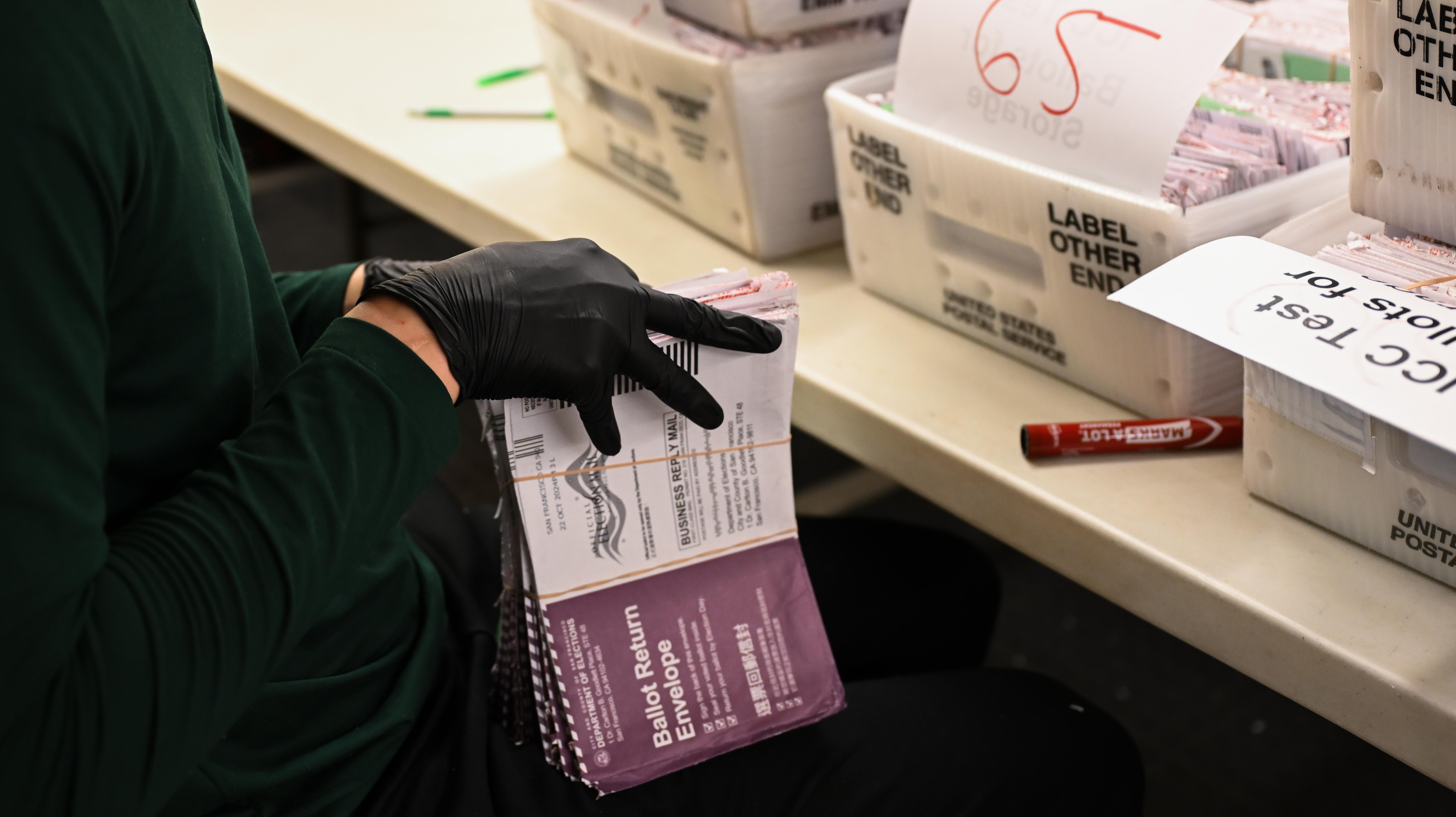
Florida law mandates an automatic recount in any election for an office, judicial retention, or ballot measure where the margin of victory is 0.5% or less. This is not optional, nor can a candidate request it; it is ordered by the Florida Secretary of State for statewide races or by the local canvassing board for local contests. This first step is a machine recount. During this process, all the ballots in the race are fed back through the automatic tabulating equipment to ensure the initial count was accurate. The goal is to perform a quick, comprehensive re-tally to confirm the totals. The results of this machine recount become the new, second set of unofficial returns. A losing candidate can, however, submit a written request to waive the recount,
preventing it from occurring.
The Second Trigger: The 0.25% Manual Recount
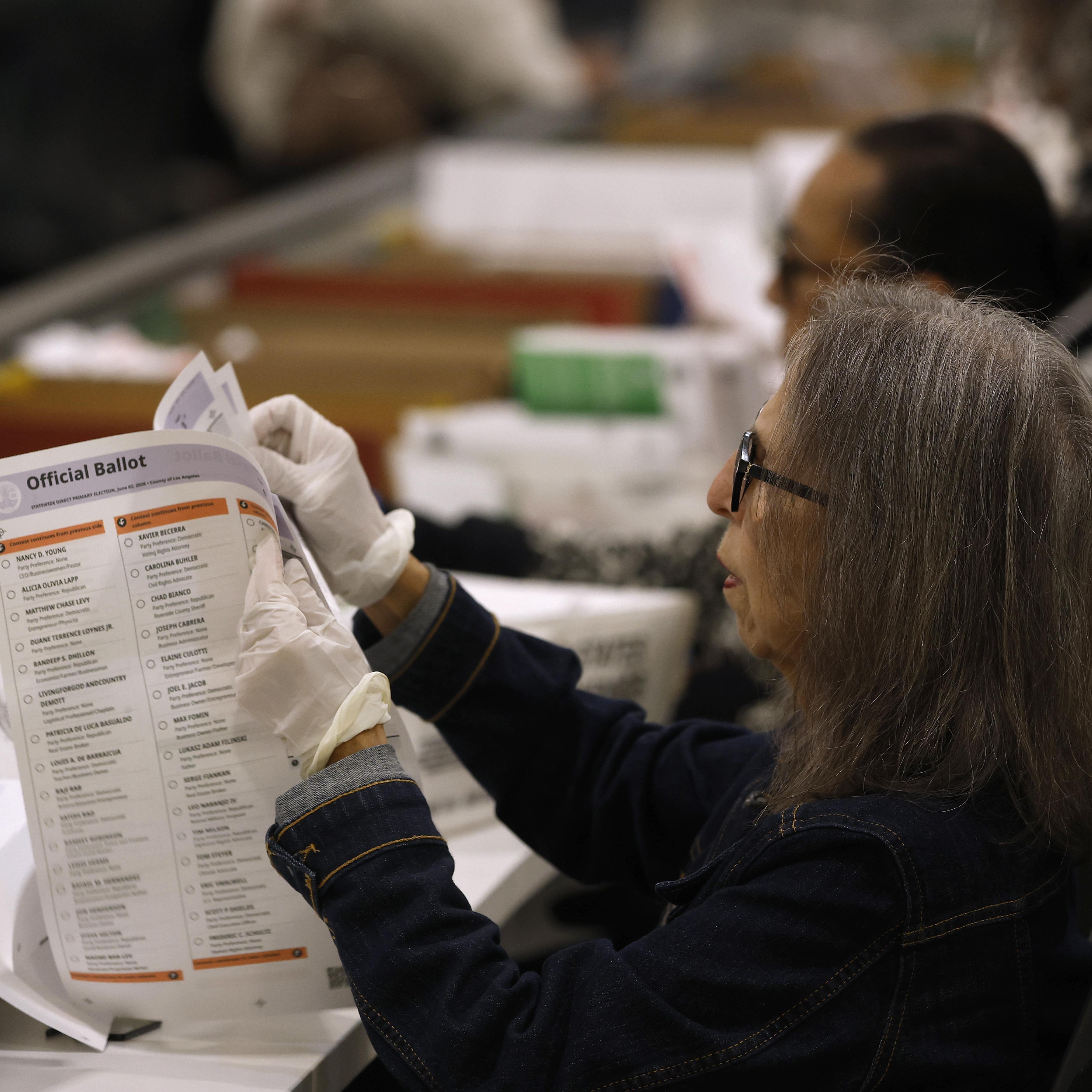
If the machine recount produces a result that is even closer, a second, more intensive process begins. A manual, or hand, recount is triggered if the margin between candidates is now 0.25% or less of the total votes cast. Unlike the machine recount, which re-scans every ballot, the manual recount is more focused. Election officials manually examine only specific ballots that the machines could not definitively interpret. These are known as 'overvotes', where the machine detected a vote for more than one candidate, and 'undervotes', where the machine detected no vote at all for that particular race. This process is crucial because a machine might fail to read a ballot where a voter circled a name instead of filling in the oval, or made a stray mark.
What 'Voter Intent' Means in a Hand Recount
The core purpose of the manual recount is to determine 'voter intent' on ballots the machines flagged as unclear. Canvassing boards, which are comprised of local officials, are responsible for examining these ballots one by one to see if the voter's choice can be reasonably determined, even if they didn't follow the instructions perfectly. Florida's election code provides guidance for this, but it ultimately falls to the board to decide if a mark, scribble, or other anomaly constitutes a clear choice for one candidate. This human-led process is why manual recounts are so painstaking and often controversial. It is designed to capture every possible valid vote that technology might have missed. However, a manual recount will not be held if the total number of overvotes and undervotes is less than the number of votes needed to change the election's outcome.
The Process and Timeline
The entire recount process operates on a tight, legally defined schedule. After a general election, county canvassing boards submit their first set of unofficial results. If a recount is triggered, the Secretary of State orders it. County boards must then complete the machine recount and submit the second set of unofficial returns by the ninth day after the election. If a manual recount is required, that must be finished and official results certified by the twelfth day after the election. The process is open to the public, and representatives for the candidates and political parties are permitted to observe the proceedings. After all this, a losing candidate can still file a lawsuit to contest the results within a specified timeframe.